Inside CliMA's Strategic Bet on Hybrid Climate Models
As weather forecasting shifts to machine learning, researchers at CliMA are pursuing a hybrid climate model to preserve physics-based guardrails.
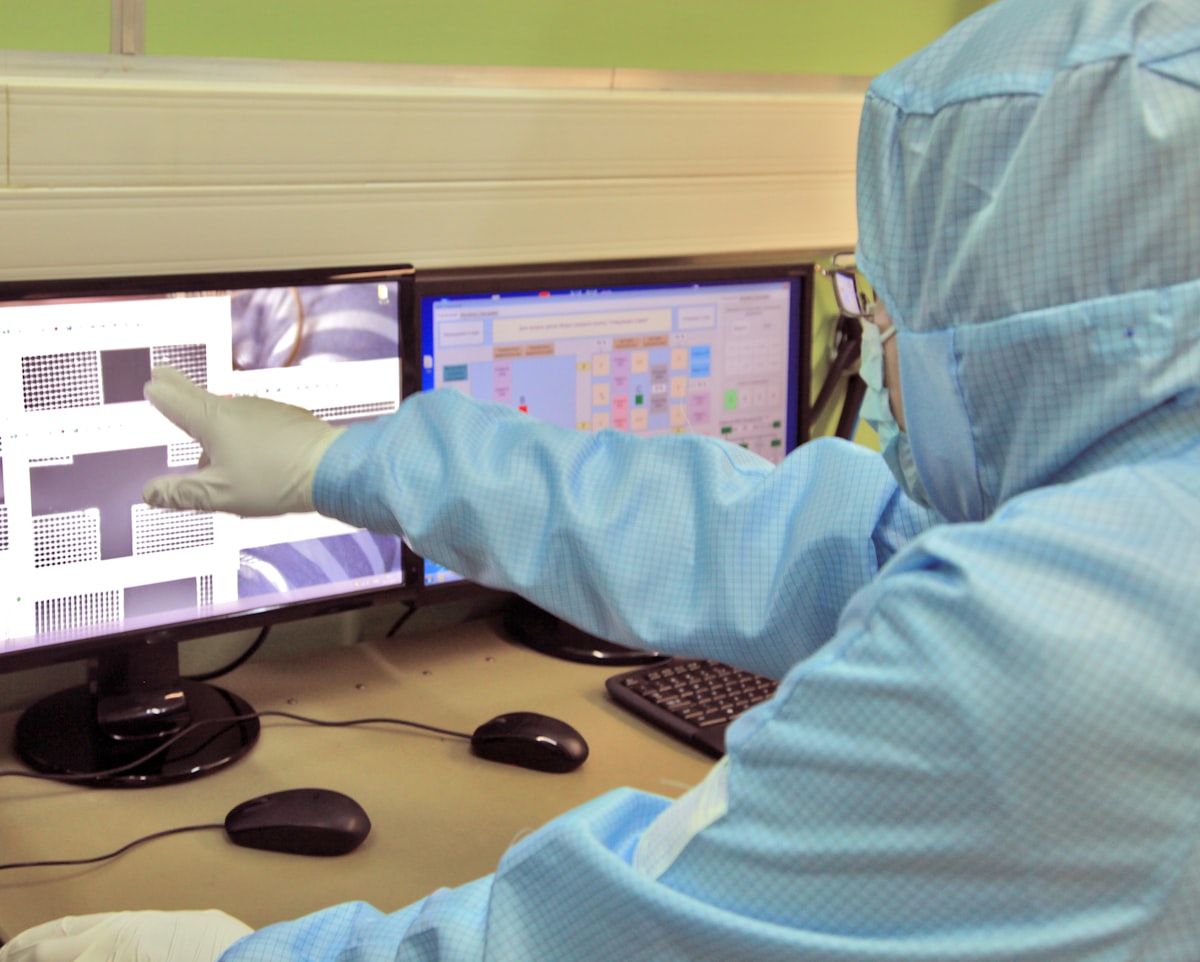
Hybrid climate model innovation
These organizations aren't abandoning physics-based simulations entirely. Instead, they're integrating machine learning into specific, modular components. But this approach acknowledges that while pure data-driven algorithms provide impressive computational efficiency, they lack the foundational reliability required for long-term climate projections. The strategy preserves physical laws where they're most needed. It applies machine learning to solve localized, data-intensive challenges.
The limits of pure machine learning
Machine learning models excel at identifying patterns within massive datasets. But they face major hurdles when pushed beyond their training parameters. They're black boxes. Because these systems don't inherently understand the laws of physics or the conservation of mass and energy, they can generate nonsensical results like negative rainfall values or physically impossible energy balances when they lack these physical guardrails. So improving them often requires manual intervention or output constraints to keep results within the bounds of reality.
Retaining physical guardrails
Researchers embed machine learning at small scales. They don't replace entire models. This keeps the broader simulation intact, ensuring the system can still predict conditions for which no historical data exists, a requirement that pure data-driven models currently fail to meet. And this focus on internal physical guardrails allows for targeted efficiency gains. It doesn't sacrifice the ability to simulate future scenarios.
Calibration and computational efficiency
Applying machine learning to model calibration offers a clear path toward better performance. This process demonstrates several key advantages for modern research teams:
- Computational energy savings, with some forecast runs using 1,000 times less energy than traditional physics-based models.
- Reduced run times, allowing some simulations to finish in three minutes rather than 30.
- The ability to generate emulators that provide bottom-line answers without requiring week-long supercomputer sessions.
The future of specialized emulators
But what comes next? A new workflow is taking shape in climate science, driven by the development of emulators trained to replicate the output of massive, resource-heavy simulations. It's a powerful shift. Scientists can then quickly explore a broader range of greenhouse gas emissions scenarios, and these emulators act as a stand-in for computationally expensive parameterizations, such as those governing sea ice cover or ocean circulation. So this dynamic relationship between simulators and emulators will define the next phase of climate modeling.
Defining the boundary of use
We can't trust it blindly. The difference between weather forecasting and climate projection remains the ultimate filter for these technologies, separating the fast, data-driven short-term snapshots from the deep, physics-based analysis of long-term atmospheric energy. And weather models benefit from machine learning's speed. But climate science needs more depth to answer those tricky counterfactual questions about our planet's energy balance. Researchers will keep refining where machine learning has a clear edge, focusing on areas where present-day conditions offer a reliable guide for what's coming next. So they'll identify which model components can support this hybrid architecture without adding unacceptable uncertainty.
Frequently Asked Questions
What is a hybrid climate model according to the article?
A hybrid climate model integrates machine learning into specific, modular components of physics-based simulations. This approach preserves physical laws where they're most needed while using machine learning to solve localized, data-intensive challenges.
Why do pure machine learning models face problems in climate projections?
Pure machine learning models are black boxes that don't inherently understand physics or conservation laws, so they can generate nonsensical results like negative rainfall when pushed beyond training data. They lack the foundational reliability required for long-term climate projections.
How does the hybrid model retain physical guardrails?
Researchers embed machine learning at small scales without replacing entire models, keeping the broader simulation intact. This ensures the system can still predict conditions for which no historical data exists, preserving the ability to simulate future scenarios.
What computational efficiency gains are mentioned for calibration using machine learning?
The article states that some forecast runs use 1,000 times less energy than traditional models, and simulation run times can be reduced from 30 minutes to three minutes. Emulators can also provide bottom-line answers without requiring week-long supercomputer sessions.
How do researchers define the boundary for using machine learning in climate science?
Researchers focus on areas where present-day conditions offer a reliable guide, such as weather forecasting, which benefits from machine learning's speed. Climate science requires deeper physics-based analysis for long-term projections, so hybrid architecture is used where uncertainty is manageable.

Eva Koch writes about scientific research and the people behind it, covering the studies and breakthroughs shaping our understanding of the world. She values curiosity and careful evidence in equal measure.
💬 Comments (0)
No comments yet. Be the first!