What hydrogenobody discovery means for methane
Scientists discovered a new organelle, the hydrogenobody, which helps rumen ciliates produce methane in cows.
Hydrogenobody discovery changes how we see methane
Hydrogenobody structures have recently been identified inside the digestive tracts of cows. It's a major finding. For years, scientists knew that livestock contribute significantly to atmospheric methane levels, but now researchers have uncovered a specific organelle that acts as a production hub for the fuel that methanogens then turn into methane. And this might change how we view global climate impact.
The hidden engine inside a cow
Stop. The rumen is a massive fermentation chamber within a cow, and it's home to a diverse microbial community that includes bacteria, fungi, and predatory ciliates working together to break down fiber and starch. So this process produces hydrogen gas, which is normally scavenged by microbes called methanogens to create methane.
Ciliates are the largest single-celled organisms in this environment. They use hairlike cilia to sweep up bacteria for food, and powering this movement requires energy that releases hydrogen gas as a byproduct. But scientists have now discovered that this hydrogen production happens in specialized organelles located right at the edge of the cell membrane. It's a tiny powerhouse.
What makes this organelle unique
They're called the hydrogenobody. Researchers named these membrane-bound organelles that have a distinct function compared to other parts of the cell, but their primary role is to produce hydrogen gas for the cilia and they also use up oxygen in the process.
This oxygen consumption is vital for the methane puzzle. Methanogens are sensitive to oxygen and thrive only in oxygen-free environments, so by removing oxygen and providing a steady stream of hydrogen, these organelles create the perfect conditions for methane-making microbes to flourish. But don't overlook these key findings about the rumen ecosystem.
- Ciliates use hydrogenobodies to fuel their cilia with energy.
- These organelles produce hydrogen that fuels methane-making microbes.
- They help keep the rumen environment oxygen-free.
- Different ciliate types have varying numbers of these organelles.
Why this matters for the planet
Livestock like cows, goats, and sheep are responsible for about a third of all methane gas in the atmosphere. It's a potent heat-trapping gas. But because methane decays faster than carbon dioxide, finding ways to reduce these emissions could have a meaningful impact on warming within our lifetimes, and it's contributed to around 30 percent of global temperature rises over the last 150 years.
Targeting methanogens alone isn't enough. But Juan Tricarico, who researches intestinal methane at Dairy Management Inc., warns that understanding the environment allowing these microbes to thrive is a necessary step for future mitigation strategies. That's critical.
Just targeting the methanogens is probably not enough. We want to understand the environment under which these microbes thrive.
New paths for methane reduction
The discovery of these specific organelles offers a more precise target for potential intervention.
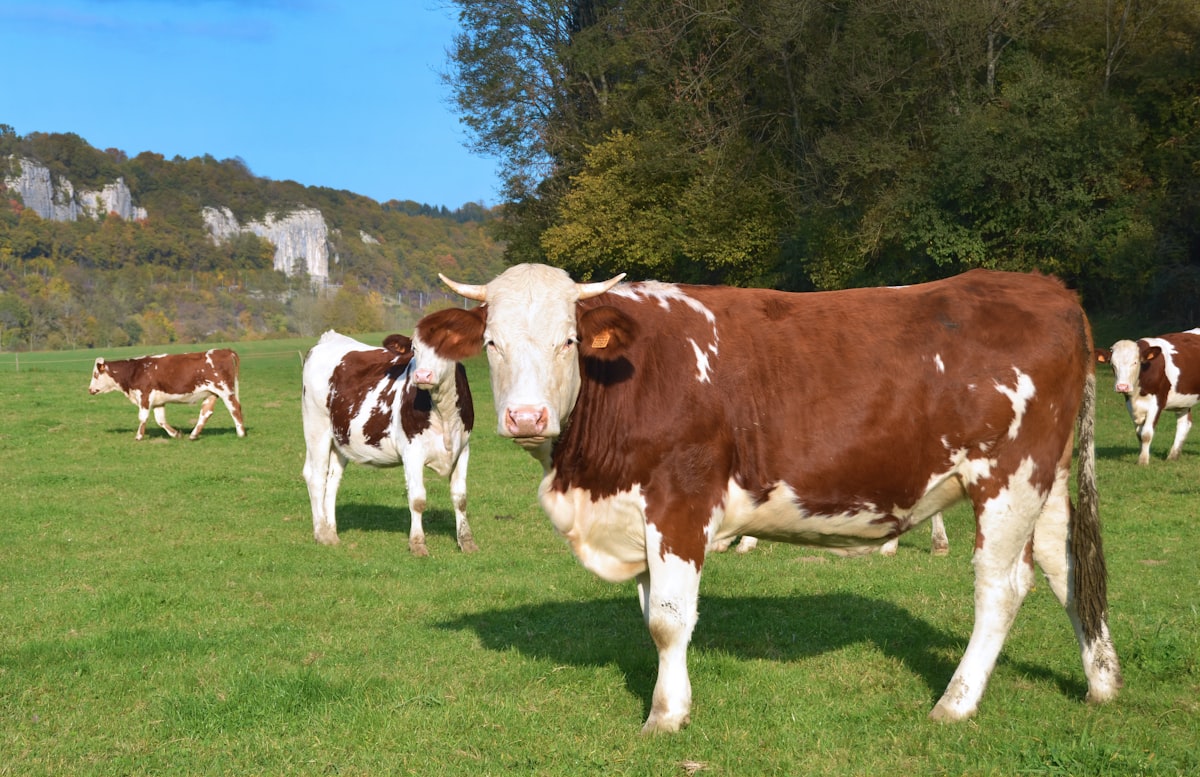
They tested this with a head box. Scientists measured methane emissions from 100 dairy cows, and they found that cows with higher populations of isotrich ciliates, which possess more of these hydrogen-producing organelles, had higher methane readings. So it's clear that specific microbial populations drive the methane output.
Refining the tools we have
This level of detail turns the search for climate solutions from a broad effort into a precise, targeted investigation of cellular biology.
Frequently Asked Questions
What is a hydrogenobody and where was it discovered?
A hydrogenobody is a membrane-bound organelle found inside ciliates in the digestive tracts of cows. Its primary role is to produce hydrogen gas for the cilia and to consume oxygen, creating an oxygen-free environment that supports methane-producing microbes.
Why are hydrogenobodies important for methane production in cows?
Hydrogenobodies produce hydrogen gas as a byproduct of powering cilia movement, and this hydrogen is used by methanogens to create methane. Additionally, they consume oxygen, which is vital because methanogens thrive only in oxygen-free environments.
How do hydrogenobodies affect the rumen ecosystem?
They produce hydrogen that fuels methane-making microbes and help keep the rumen environment oxygen-free. Different ciliate types have varying numbers of these organelles, influencing the overall methane output.
What did scientists find when they measured methane emissions from dairy cows?
Scientists measured methane emissions from 100 dairy cows and found that cows with higher populations of isotrich ciliates, which possess more hydrogen-producing organelles, had higher methane readings. This shows that specific microbial populations drive methane output.
Why might targeting hydrogenobodies be more effective than targeting methanogens alone?
Juan Tricarico warns that just targeting methanogens is probably not enough; understanding the environment that allows these microbes to thrive is necessary. Hydrogenobodies create the ideal conditions for methanogens, so focusing on them offers a more precise target for reducing methane emissions.

Eva Koch writes about scientific research and the people behind it, covering the studies and breakthroughs shaping our understanding of the world. She values curiosity and careful evidence in equal measure.
💬 Comments (0)
No comments yet. Be the first!