GLP-1 Drug Food Savings: Users Cut £418 Yearly
New research highlights GLP-1 Drug Food Savings for households. Users are cutting £418 from annual grocery bills as GLP-1 take-up nearly triples, impacting consumption.
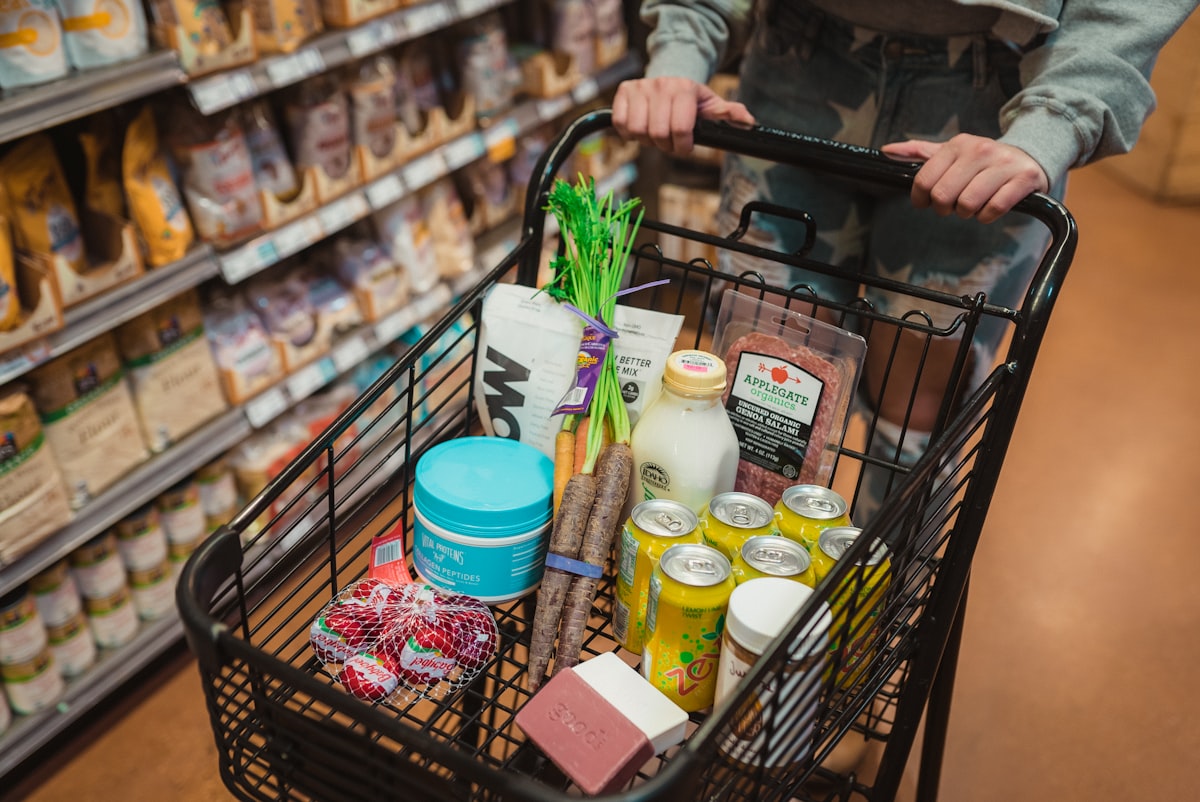
GLP-1 Drug Food Savings are proving substantial for households. Users are collectively cutting their grocery bills by an average of £418 annually, and this reduction comes as the adoption of these medications has nearly tripled over the past two years, now reaching 1.9 million adults. But this surge signals a major shift in consumer spending habits. It's having a noticeable impact on the retail food sector.
The numbers are stark. Research shows that households with at least one GLP-1 user spent £780 million less on groceries than expected, compared with similar families not taking these drugs. That's a huge shift. And it's backed by 299 million fewer items purchased during a recent analysis in February alone. So this pattern of reduced consumption translates directly into the annual £418 saving for households integrating these weight-loss medications.
Rapid Expansion of GLP-1 Use
The prevalence of GLP-1 drugs, including well-known options like Mounjaro and Wegovy, has seen a dramatic rise across Great Britain. Currently, more than 6.3% of households now include at least one individual taking these medications. This marks a sharp climb from previous years, with usage standing at 4.1% of households in 2025 and just 2.3% in 2024. The data clearly demonstrates how quickly these treatments are moving into the mainstream.
But the real driver is simple. More people are using GLP-1s specifically for weight loss now. Historically prescribed primarily for type 2 diabetes, these drugs are now being used by 68% of individuals explicitly to manage their weight, so they're opening themselves up to a far broader audience.
Altered Eating Habits and Consumer Choices
GLP-1s don't just cut calories. They're fundamentally reshaping how users engage with food, guiding consumption by genuine hunger rather than deeply ingrained habits, established routines, or restrictive diets. And here's the key. Over half of users, 52%, now describe their eating approach as "mindful.
Here's the new insight: 54% of people on these jabs felt fewer cravings and a clear drop in what's called "food noise," those constant thoughts about eating. But 11% of users stopped enjoying their usual favorite foods or drinks. That signals a profound shift in taste preferences.
Treats and Dining Out Face Changes
Users are actively cutting back on indulgent items. But they're not just saying it. A substantial three-quarters, 75%, reported eating less chocolate, and a similar proportion, 72%, reduced their consumption of crisps, and these self-reported changes are corroborated by actual shopping data showing chocolate confectionery spending fell 18 percentage points more in GLP-1 user households compared to non-user households.
The influence of GLP-1s extends beyond the kitchen. But when dining out, 40% of people on these drugs wanted smaller restaurant portions. And 26% of users requested dedicated GLP-1-friendly sections on menus, highlighting a need for public eateries to cater to these new dietary patterns that are reshaping how we order and eat. It's a big shift.
Unexpected Side Effects Drive New Purchases
The primary focus remains on GLP-1 Drug Food Savings. But these medications can also trigger unanticipated side effects that influence other areas of spending, including a condition known as "Ozempic mouth" characterized by dry mouth and bad breath. It's prompted some users to buy more specific hygiene products.
This has led to a significant uptick in sales:
- Mouthwash sales increased by 20 percentage points in GLP-1 user households.
- Chewing gum sales rose by 24 percentage points in GLP-1 user households.
Chantel Kennaugh, head of public sector and nutrition GB for Worldpanel by Numerator, observed that these drugs are "fundamentally disrupting how people engage with food and drink, with ripple effects already being felt across grocery and lifestyle, forcing brands and businesses to adapt at pace.
Retailers are already responding. Marks & Spencer, for example, introduced a line of "nutrient-dense" foods at the start of the year, targeting customers who are naturally eating less and want more from their meals. But Ocado went further. The online grocer created a virtual "weight management" aisle, curating suitable products for this demographic so shoppers don't have to hunt for them.
Health benefits and GLP-1 Drug Food Savings are clear, but cost is a major hurdle. Worldpanel's research found that price has re-emerged as the primary barrier to continued medication use, with a notable two-fifths of users stopping their treatment in 2026 simply because they couldn't afford it. That's 41%.
Frequently Asked Questions
What is the average annual food saving for GLP-1 drug users according to the article?
GLP-1 Drug Food Savings are proving substantial, with users collectively cutting their grocery bills by an average of £418 annually. This reduction comes as households with at least one GLP-1 user spent £780 million less on groceries than expected compared to similar families not taking these drugs.
How has the adoption rate of GLP-1 drugs changed over the past two years?
The adoption of GLP-1 medications has nearly tripled over the past two years, reaching 1.9 million adults. Currently, more than 6.3% of households include at least one individual taking these medications, up from 4.1% in 2025 and 2.3% in 2024.
What percentage of GLP-1 users now take these drugs specifically for weight loss, and how does this affect their eating habits?
68% of individuals now use GLP-1s explicitly to manage their weight. This has led to altered eating habits, with 52% describing their approach as 'mindful' and 54% experiencing fewer cravings and a drop in 'food noise,' while 11% stopped enjoying their usual favorite foods.
What changes in snack and dining out behavior are reported among GLP-1 users?
Three-quarters (75%) of users reported eating less chocolate, and 72% reduced consumption of crisps, with shopping data showing chocolate confectionery spending fell 18 percentage points more in user households. When dining out, 40% wanted smaller restaurant portions, and 26% requested dedicated GLP-1-friendly sections on menus.
What unexpected side effects of GLP-1 drugs have driven new purchases, and how have retailers responded to these changes?
Side effects like 'Ozempic mouth' have led to increased sales of mouthwash (up 20 percentage points) and chewing gum (up 24 percentage points) in GLP-1 user households. Retailers have responded by introducing new products, such as Marks & Spencer's 'nutrient-dense' foods and Ocado's virtual 'weight management' aisle.

Eva Koch writes about scientific research and the people behind it, covering the studies and breakthroughs shaping our understanding of the world. She values curiosity and careful evidence in equal measure.
💬 Comments (0)
No comments yet. Be the first!