Farmed Salmon Omega-3 Levels Drop, USDA Research Shows
New USDA research finds Omega-3 fatty acids in farmed salmon have dropped, raising questions about dietary advice.
Farmed Salmon Omega-3 Levels Slip as Diets Shift
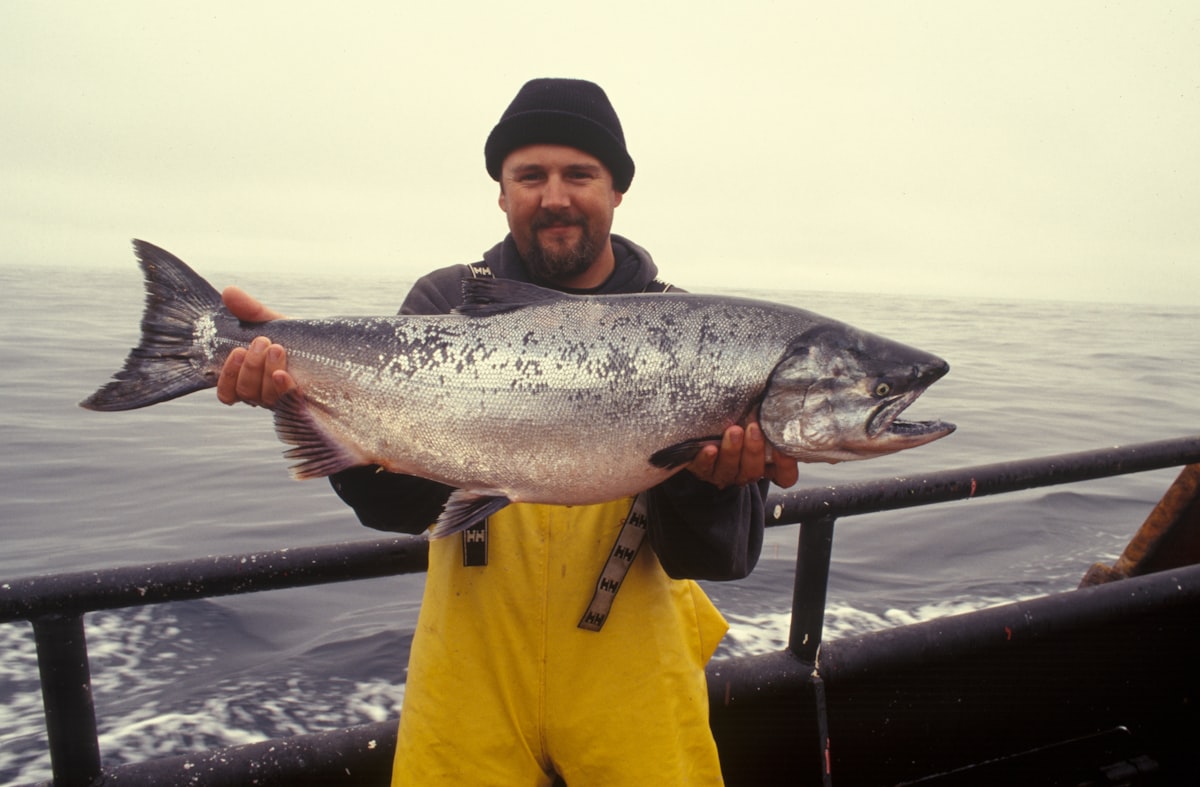
Farmed salmon's Omega-3 levels have fallen considerably. That's according to new research led by USDA scientists, and it raises a troubling question about whether the government's dietary advice still holds up, especially when you consider how much of the world's salmon now comes from pens and cages rather than open water. But here's the awkward timing: nearly 70 percent of the salmon eaten on the planet is farmed, and that share keeps climbing. It can't be ignored.
The numbers are stark. The USDA’s Dietary Guidelines for Americans still tell people to eat at least 8 ounces of fish weekly, specifically recommending salmon and similar species for their “heart-healthy” Omega-3 fatty acids. The American Heart Association offers comparable guidance. But the data behind those recommendations, the researchers argue, may be stale.
A Warning Buried in the Data
Laura Lee Cascada, director of the Aquaculture Accountability Project, a watchdog group, put it bluntly. These old figures are what are still used in their national dietary guidance, she said, so in the meantime it's going to stay the same and people will have this wrong idea of how much Omegas they're getting. But that's the problem. People can't trust what they've been told.
The authors didn't overstate their case. They admitted their sample wasn't large enough to force a change in government advice, and they explicitly requested a broader, more representative study to build on what they found. But the agency wouldn't talk. It declined interview requests and never answered emailed questions.
The drop traces back to what farmed salmon now eat. These are naturally carnivorous fish, built to hunt smaller species. But those smaller fish were over-exploited to feed the booming aquaculture industry, so producers pivoted, mixing in land-based oils and crops, including soy and canola, a shift that didn't come without consequences for the fish's nutritional profile. A 2016 study flagged a similar decline. It's tied to that same crop-heavy diet.
The Boom That Built Itself
Salmon has become a cornerstone of global aquaculture. It's a mainstay for health-conscious eaters and for people swapping beef for something lighter on the planet, and the logic seemed sound: eat more fatty fish, cut red meat, get your Omegas. Production tripled between 2000 and 2020. That outpaced every other type of farmed finned fish, and it's a remarkable shift we've witnessed in just two decades. But can this growth keep up?
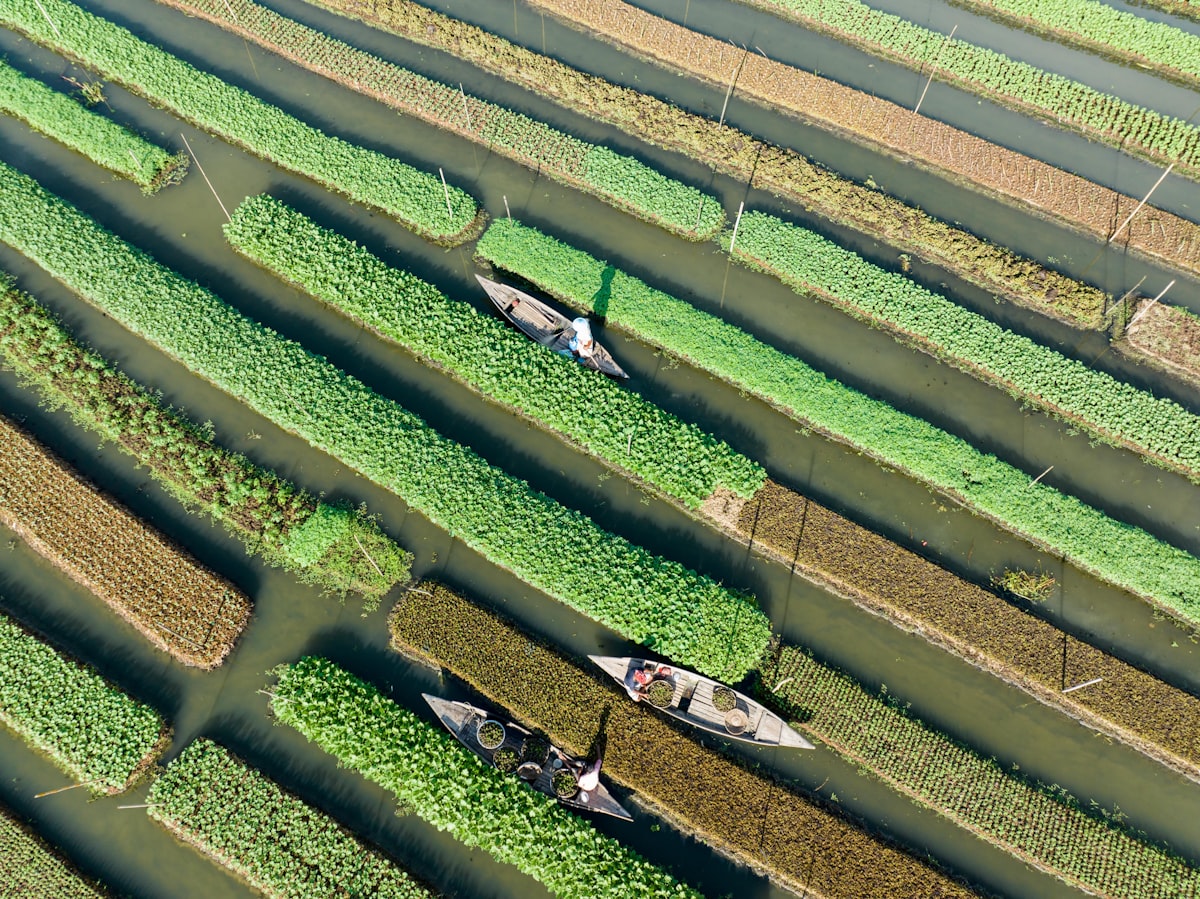
That surge came with a heavy footprint. It's a cost that researchers and advocates have long criticized, pointing to the environmental toll of farmed salmon, where fish waste and feed pollute coastal waters and threaten wild salmon populations. But feeding ever-larger populations of pen-raised fish has degraded not just smaller fish species but also the coastal fishing communities that depend on them, along with seabirds and other wildlife. So the damage runs deep.
As the oceans ran thinner on small fish, the industry turned to terrestrial crops. Soy became a staple. Matthew Hayek, a researcher at New York University who studies the environmental impacts of protein production, described the scale of what that means. “What we can tell is that, for all fish farming combined, soy consumption over the past two decades has amounted to the additional expansion and clearing of forested land that was equivalent to about the size of Nicaragua or Bangladesh.”
Hayek noted it’s hard to pin soy consumption to any single fish species. But the trend lines are visible elsewhere. In Norway, the world’s largest farmed salmon producer, 90 percent of feed ingredients were marine-based in 1990. By 2020, that had dropped to about 23 percent. Advocacy groups there traced 90 percent of the soy fed to farmed salmon back to three Brazilian companies, each of which had sourced ingredients from illegally deforested patches of the Amazon rainforest.
Trading One Problem for Another
But that crop shift carries its own climate cost. It's not a free lunch. And other research shows the problem cuts deeper, because moving to plant-based ingredients actually doubled greenhouse gas emissions per kilogram of farmed fish in Europe and the United Kingdom between 2000 and 2020, a finding that complicates the simple story of swapping fishmeal for peas or soy.
Cascada summed up the bind. “It’s trading one problem;marine exploitation,for another,land exploitation.”
“The claim is that the salmon industry is here to feed the world and provide this extra protein. But what it’s really doing is flooding the Global North with protein that is not necessarily needed at the expense of the Global South.”
That critique cuts against the industry’s own narrative. Nutritionists and researchers do say farmed fish, including salmon, will play a major role in providing protein as the population grows. But some environmental groups note the salmon boom has been driven disproportionately by wealthy countries, and those nations don't face nutritional deficits in the first place. It's a telling gap.
What Comes Next in Washington
Lawmakers are pushing to expand the industry further. But they've got a fight on their hands. A bill called the Marine Aquaculture Research for America (MARA) Act would make it easier for salmon producers to get licenses to farm fish in offshore federal waters, and that's precisely what worries the opposition. In February, environmental advocates and fishermen sent a letter to Congress opposing it.
Proponents argue that moving fish farms into deeper, offshore waters would reduce the environmental damage caused by farming in sensitive nearshore environments. Opponents see it differently. They envision a factory-farming model, much like the one that produces most of the world's livestock, but transplanted into the open sea. So it's a trade-off. But they don't buy the promise.
The industry is projected to keep growing, fueled by population increases and rising demand for seafood marketed as healthy. But the new USDA research suggests that what’s marketed may not match what’s on the plate, and here’s the catch: farmed salmon Omega-3 levels have slipped, while the dietary guidance built around those nutrients hasn’t caught up, leaving consumers with advice that’s quietly outdated. So the advice itself may need a rethink. Not just the feed.
Frequently Asked Questions
What did USDA-led research reveal about farmed salmon Omega-3 levels?
The research showed that farmed salmon's Omega-3 levels have fallen considerably due to changes in their diets. The findings raise questions about whether current government dietary advice, which recommends salmon for its heart-healthy Omega-3s, is still accurate.
Why have farmed salmon Omega-3 levels declined according to the article?
The decline is linked to what farmed salmon now eat. Producers shifted from feeding them smaller marine fish, which were over-exploited, to land-based oils and crops like soy and canola, altering the fish's nutritional profile.
How did the salmon industry's feed composition change in Norway between 1990 and 2020?
In Norway, the world's largest farmed salmon producer, 90 percent of feed ingredients were marine-based in 1990. By 2020, that had dropped to about 23 percent, showing a significant shift toward terrestrial crops.
Who is Laura Lee Cascada and what concern did she raise about the dietary guidance?
Laura Lee Cascada is the director of the Aquaculture Accountability Project, a watchdog group. She noted that old figures on Omega-3 levels are still used in national dietary guidance, giving people a wrong idea of how much Omega-3 they are getting from farmed salmon.
What did researchers request after their study, and how did the agency respond?
The researchers admitted their sample wasn't large enough to force a change in government advice and explicitly requested a broader, more representative study to build on their findings. However, the agency declined interview requests and never answered emailed questions.

Victor Holm reports on science and discovery, with a particular interest in physics, biology and the questions that drive research forward. He looks for the wonder in how the world works.
💬 Comments (0)
No comments yet. Be the first!