Why the Bellingshausen Sea Ice Gap Matters
A massive ice gap has opened in the Bellingshausen Sea. Why scientists fear this winter sea ice might never return.
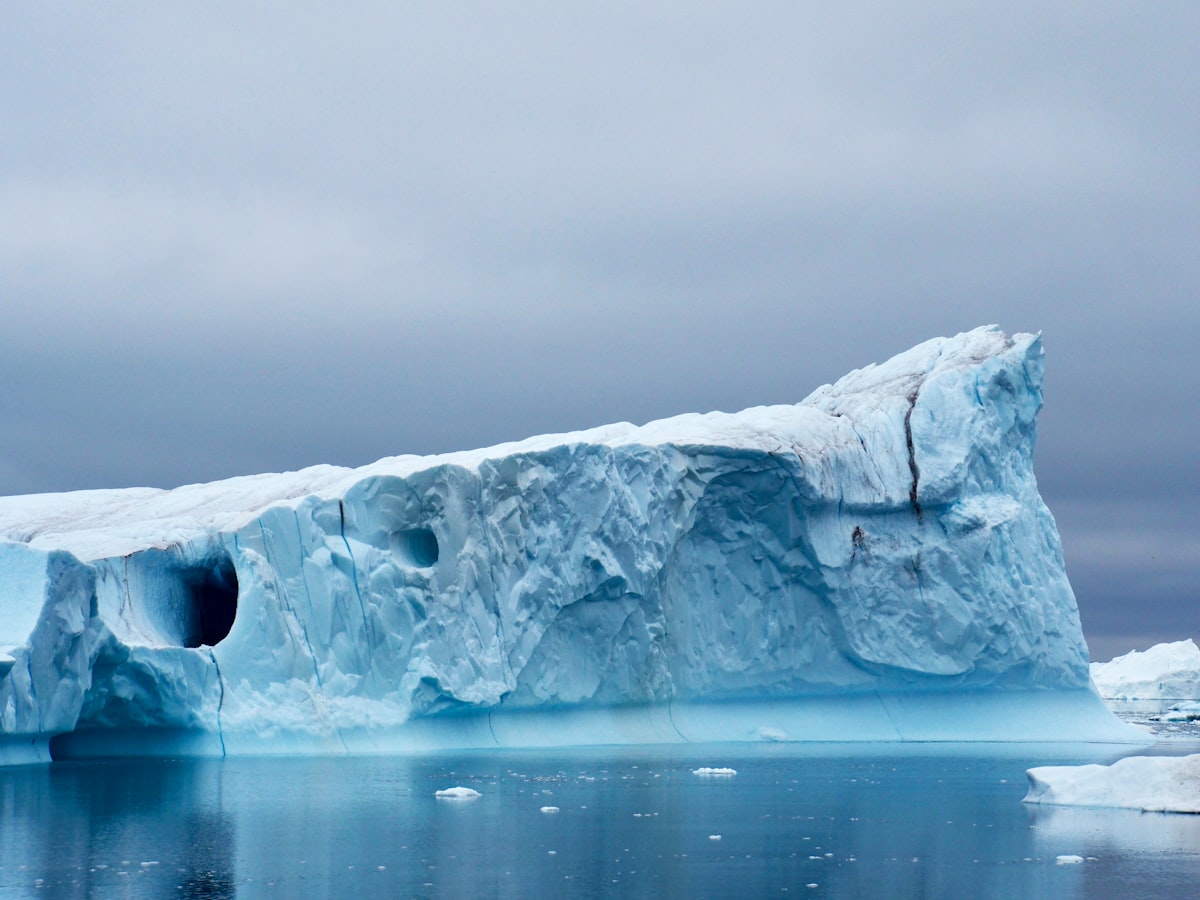
The Bellingshausen Sea is missing a winter ice chunk roughly the size of Texas. Scientists fear it's gone for good. Antarctica is currently in its winter season, which runs from March to October, and during these cold months floating sea ice surrounding the continent typically grows, driving critical ocean currents that regulate our global climate. But this year, a massive ice gap has opened on the western side of the Antarctic Peninsula. So we can't assume it will form again.
Satellite observations have revealed that about 250,000 square miles (650,000 square kilometers) of sea ice has failed to form. That's a massive area. This deficit is measured against the average winter ice levels recorded between 1991 and 2020, and to put its scale into perspective, the missing ice covers a patch slightly larger than France. But here's the deal: it's not just a temporary blip. It's part of a deeply concerning trend in the region.
The Ice Simply Failed to Grow
Let us break this down. The winter ice expansion is a fundamental engine for global ocean systems. When the ice doesn't grow, the entire system stutters. This year, the western side of the Antarctic Peninsula is bearing the brunt of this change, and the ice gap in the Bellingshausen Sea represents an unprecedented shift in local winter behavior that scientists say could disrupt circulation patterns worldwide. But that's not all.
Will Hobbs is deeply concerned. He's a sea ice-ocean interaction scientist at the University of Tasmania, and he noted that this year represents the third time in four years that the region has seen very low sea ice levels.
"I don't think we will see sea ice there any more. It's done."
Researchers still have a lot to learn about Antarctica's sea ice changes. But the rapid decline is striking. Hobbs explained that the sea ice loss was likely linked to changes in the ocean, and currently scientists are trying to determine whether global warming is a direct factor in this sudden drop.
A Dramatic Shift in Southern Ice
It's a well-known fact: historically, sea ice has declined much more slowly in Antarctica than in the Arctic. But now scientists are stunned. We're witnessing an astonishing and rapid change in the southern sea ice extent, and this shift has shocked those who have studied this frozen continent for years because they never expected such a dramatic transformation.
Edward Doddridge, a physical oceanographer at the Institute for Marine and Antarctic Studies in Australia, noted that he is no longer surprised by these losses.
"It's not good news, but it has become a pattern that we're expecting now. A warming world is going to have less sea ice."
Why This Sea Ice Matters
You're wondering if this matters to you. It does. Sea ice isn't just empty frozen water,it's a protective barrier and a climate regulator, and it plays a critical role in keeping our global climate stable through several specific mechanisms.
- It provides critical habitat for key Antarctic animals like krill and penguins.
- It drives vital ocean currents that circulate water and nutrients around the globe.
- It insulates the cold ocean from the heat of the sun.
- It protects vulnerable ice shelves at the mouths of massive glaciers.
The Domino Effect on Glaciers
Down the coast from the missing sea ice in the Bellingshausen Sea, researchers are watching another crisis unfold. But this one's different. A key ice shelf is on the verge of disintegrating from Antarctica's Thwaites Glacier, which is nicknamed the Doomsday Glacier, and its collapse could trigger dramatic sea level rise across the globe.
It's a vital buttress. But Thwaites Glacier has been melting rapidly since the 1980s, and that threatens the stability of the wider West Antarctic Ice Sheet by allowing more ice to flow from the glacier into the open sea.
The Point of No Return
So what does this mean for our understanding of global climate? It's a massive threat. The collapse of the West Antarctic Ice Sheet is considered one of the major environmental tipping points that humanity must avoid, and if the Thwaites Glacier collapses entirely, it could raise global sea levels by 2.1 feet (65 centimeters) in the coming centuries. But this would flood coastal communities worldwide.
So the first major record low hit in 2016. Then came another drop in 2022. A third one followed in 2023. And the current gap in the Bellingshausen Sea is the latest signal that the southern polar region is shifting into a new, unstable state, but it's rapidly wearing thin, that protective buffer which keeps global sea levels stable.
Frequently Asked Questions
What is the Bellingshausen Sea ice gap, and how large is it?
The Bellingshausen Sea ice gap is a massive area where sea ice has failed to form during Antarctica's winter. According to satellite observations, about 250,000 square miles (650,000 square kilometers) of sea ice is missing, which is slightly larger than France.
Why does the missing sea ice in the Bellingshausen Sea matter for global climate?
Sea ice in the Bellingshausen Sea acts as a protective barrier and climate regulator by driving vital ocean currents and insulating the cold ocean from the sun. Its absence can disrupt global circulation patterns and threaten ice shelves that keep sea levels stable.
How have sea ice levels in the Bellingshausen Sea changed in recent years?
This year's ice gap represents the third time in four years that the region has seen very low sea ice levels. The first major record low hit in 2016, followed by drops in 2022 and 2023, indicating a shift into a new, unstable state.
What is the potential impact of the Bellingshausen Sea ice loss on the Thwaites Glacier?
The missing sea ice in the Bellingshausen Sea is linked to the Thwaites Glacier, nicknamed the Doomsday Glacier, which is on the verge of disintegrating. Its collapse could trigger dramatic sea level rise, potentially raising global sea levels by 2.1 feet (65 centimeters) over centuries.

Nadia Petrov covers science and research across disciplines, from the laboratory to the field. She enjoys making discovery accessible and showing why new findings matter.
💬 Comments (0)
No comments yet. Be the first!