Could the BCG vaccine Help Treat Diabetes?
New clinical trials suggest the century-old BCG vaccine could help lower insulin needs for people with type 1 diabetes.
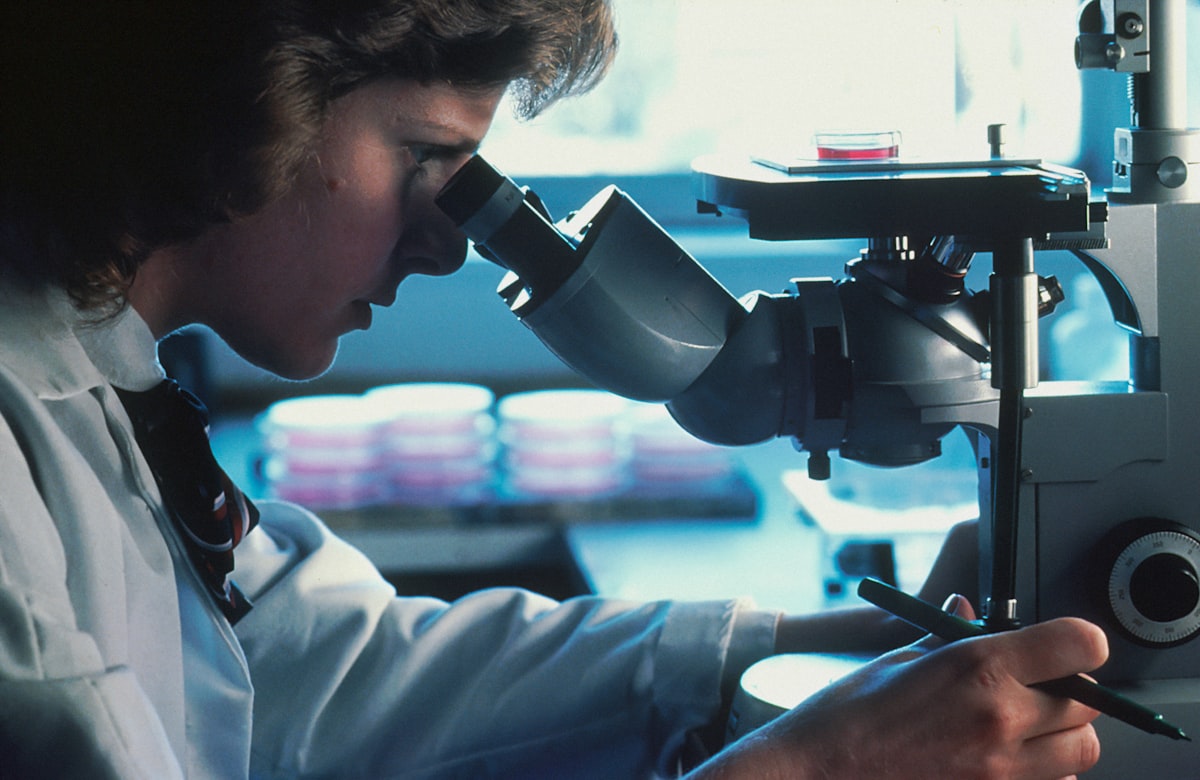
The BCG vaccine, a century-old tuberculosis shot, sits at the center of a heated scientific debate over whether it can help treat type 1 diabetes. It's a classic vaccine. New clinical trial results suggest it might actually help patients manage their blood sugar and reduce their daily insulin needs, though this line of research has divided the medical community for years, and some experts remain highly skeptical. But don't count it out yet.
Let us unpack this.
Type 1 diabetes is an autoimmune disease. The body destroys its own insulin-making cells in the pancreas, and right now about 2 million Americans live with this condition while constantly balancing insulin injections to avoid dangerous blood sugar spikes or life-threatening crashes. But the idea that a simple, cheap vaccine could alter this daily struggle is incredibly exciting. There's a catch. The vaccine doesn't cure the disease, and we need more data to prove it works for everyone.
How the BCG Vaccine Targets Diabetes
The BCG vaccine contains a weakened version of Mycobacterium bovis. That's the bacterium behind tuberculosis. But doctors already use it as an immunotherapy to treat bladder cancer by waking up the immune system to attack tumors, and now researchers are exploring how it might recalibrate the immune response in people with diabetes.
How does a tuberculosis shot affect blood sugar? It's not simple. The answer depends entirely on when a person first developed the disease. But researchers have proposed two distinct pathways for how the vaccine interacts with the body, and they're still working to understand which one matters more.
The Sugar-Burning Shift in Childhood-Onset Diabetes
The pancreas is almost empty. It's a ghost organ now. In patients who've lived with type 1 diabetes since childhood, it has virtually no insulin-producing cells left, so their bodies can't manage blood sugar on their own. Researchers believe the vaccine helps shift immune cells called regulatory T cells, but these cells don't burn fat for energy anymore. Instead, they start burning sugar. So they pull glucose directly from the blood, but they stop once blood sugar levels drop, which prevents dangerous crashes.
Protecting Remaining Cells in Adult-Onset Diabetes
The vaccine works differently for LADA patients. It lowers specific antibodies that attack the insulin-producing cells, and this action shields the remaining healthy cells from the immune system to help the pancreas keep making its own insulin for longer. But it's not the same for everyone.
What the Two Clinical Trials Revealed
Researchers recently shared findings from two clinical trials that tracked patients over a five-year period. Both groups received six doses of the vaccine. But the results showed different types of progress for each group across that entire time span, so it's clear the outcomes weren't uniform and they're not as simple as they might seem.
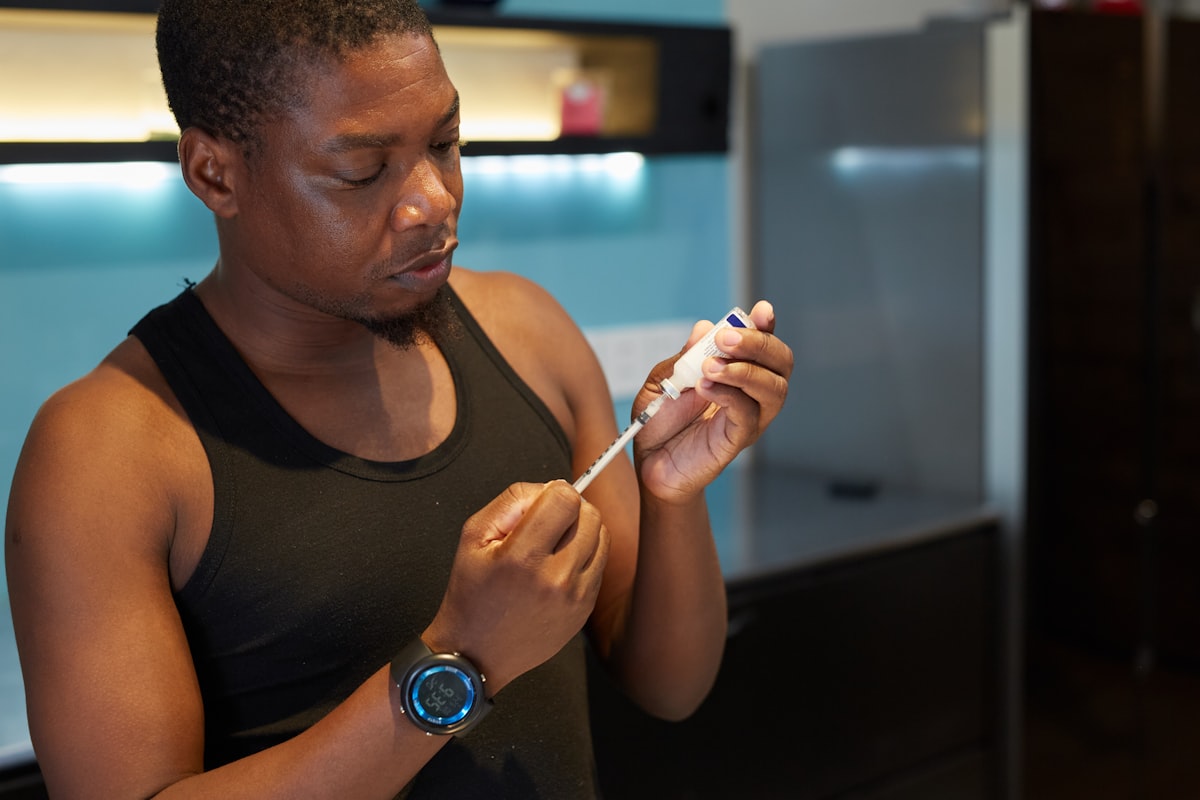
- Childhood-Onset Group: This trial tracked 34 adults who received the vaccine and 24 who received a placebo. The vaccinated group saw their average HbA1c levels drop from 7.84% to 7.30% over five years, spent up to 183% more time in a healthy blood sugar range, and used less insulin.
- LADA Group: This trial tracked 68 adults who received the vaccine and 27 who got a placebo. The vaccine did not lower blood sugar directly, but it preserved or partially restored insulin production, meaning these patients required less injected insulin over five years.
- The Placebo Contrast: In the LADA trial, patients who received the placebo saw their insulin needs jump by 22% over the five-year period.
While the results look promising, the trials were small, and the diabetes research community remains split on whether these benefits will hold up on a larger scale.
Why Some Experts Remain Skeptical
Dr. Denise Faustman of Massachusetts General Hospital led the trials and presented the findings at the American Diabetes Association meeting. She has faced criticism in the past for raising hopes of a cure, though she notes these new trials focus on management, not a cure. Faustman was pleased with the outcomes of the LADA trial.
"The results exceeded my expectations," Faustman said.
Other experts urge caution. Some point out that many diabetes treatments look good in small trials but fail when tested on a larger population. Dr. John Buse, an endocrinologist at the University of North Carolina School of Medicine, highlighted the steep road ahead for this research.
"It would take a big program to develop proof and that is probably the biggest barrier to finding out whether it is in fact useful," Buse said.
Buse suspects the vaccine might not work for everyone. Some people could be responders, and others non-responders. But he sees the future of type 1 diabetes treatment in combination approaches that attack the disease from multiple angles at once, and he believes that's where real progress will happen.
How BCG Compares to Existing Treatments
Teplizumab is the only FDA-approved drug that delays insulin dependence. But it must be given very early, before a patient starts relying on insulin. That's a big difference. The BCG vaccine could potentially benefit patients who have already been taking insulin for years, opening up a treatment option for those who can't use teplizumab.
The Next Steps for Research
Dr. Gillian Goddard, an endocrinologist at NYU Langone Health, noted that because these are phase 2 trials, more research is vital. Still, she believes it could become another valuable tool for patient care. Faustman's team has now studied over 350 adults and is currently running a trial with 250 children to see if the vaccine can work safely across all stages of the disease.
Frequently Asked Questions
What does the BCG vaccine do for type 1 diabetes patients according to the article?
The BCG vaccine may help patients manage blood sugar and reduce daily insulin needs. In childhood-onset diabetes, it helps shift immune cells to burn sugar, while in adult-onset LADA, it lowers antibodies to protect remaining insulin-producing cells.
Why do some experts remain skeptical about the BCG vaccine for diabetes?
Some experts, like Dr. John Buse, caution that many diabetes treatments look good in small trials but fail when tested on a larger population. The trials were small, and the vaccine might not work for everyone, as some people could be responders and others non-responders.
How did the clinical trials measure the vaccine's effectiveness in the two groups?
In the childhood-onset group, vaccinated patients saw their average HbA1c drop from 7.84% to 7.30% over five years and spent up to 183% more time in a healthy blood sugar range. In the LADA group, the vaccine preserved or partially restored insulin production, reducing injected insulin needs, while placebo patients saw a 22% increase in insulin needs.
When can the BCG vaccine be used compared to teplizumab?
Teplizumab must be given very early, before a patient starts relying on insulin. The BCG vaccine could potentially benefit patients who have already been taking insulin for years, offering a treatment option for those who cannot use teplizumab.
Who led the clinical trials and what are the next steps for research?
Dr. Denise Faustman of Massachusetts General Hospital led the trials and presented findings at the American Diabetes Association meeting. Her team has studied over 350 adults and is currently running a trial with 250 children to see if the vaccine works safely across all stages of the disease.
Nadia Petrov covers science and research across disciplines, from the laboratory to the field. She enjoys making discovery accessible and showing why new findings matter.
💬 Comments (0)
No comments yet. Be the first!