Autumn Walks: Why Families Should Look Closer at Fungi
Experts urge families on autumn walks to look closer at Britain's unusual fungi, from fly agaric to rare red cage fungus, and to record not pick.
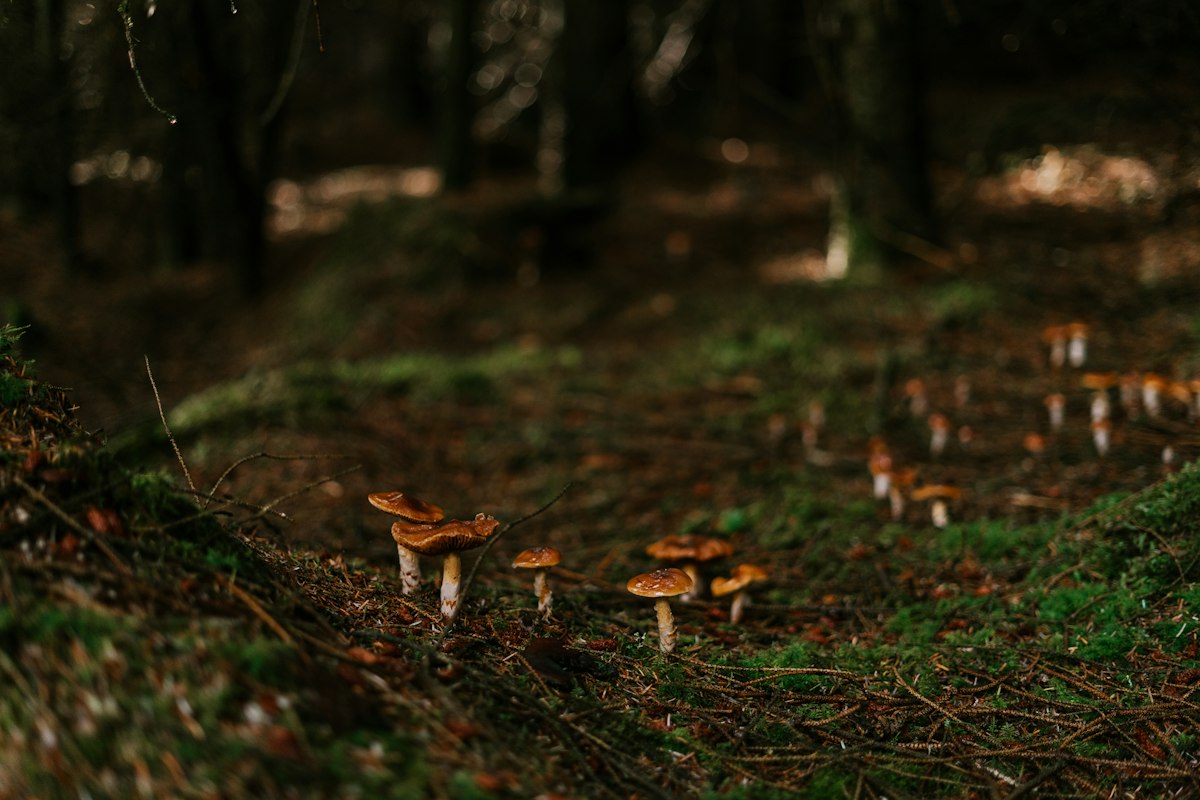
Autumn walks take on a different rhythm if you know what you are looking for. As the season settles in across Britain, some of the country's strangest and most colourful mushrooms are starting to push through the leaf litter, and experts say families are missing them simply because nobody told them to slow down.
A Hidden World Under the Leaves
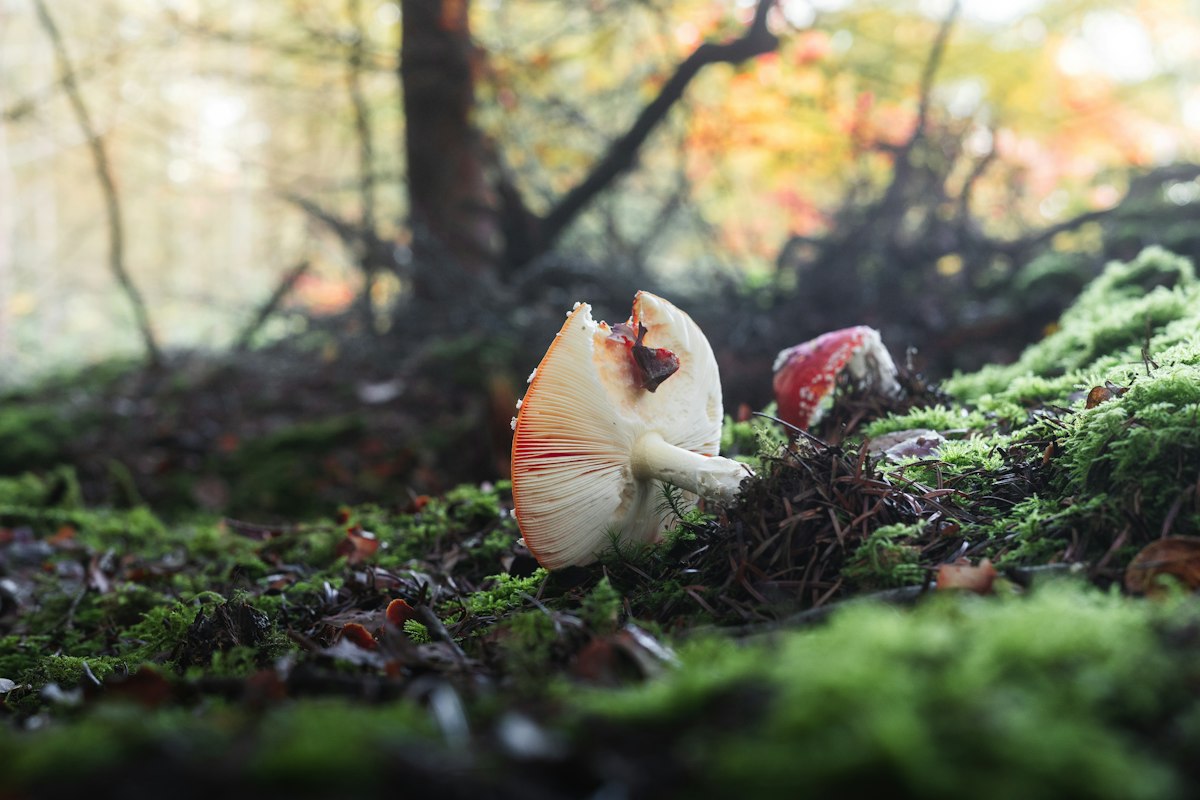
Species ranging from the bright red fly agaric to the rare red cage fungus can turn up in parks, woodlands and nature reserves. Many of them sit unnoticed among fallen leaves, rotting wood and the bases of trees. The trick, apparently, is not special equipment or a secret location. It is patience.
James Benwell searches for fungi with his young son. He's with the Birmingham and Black Country Wildlife Trust. For him, the hunt has become a way to explore the outdoors together, and he reckons it can turn an ordinary family outing into something closer to an adventure, the kind you don't plan but remember anyway. And every walk becomes interesting and exciting, he said, if you're exploring and if you're looking for new things. It's that simple.
That is the quiet case for looking closer. Autumn walks are already part of many family routines, but the same familiar path can hold an entire second landscape if you crouch down and pay attention.
What Is Turning Up in the West Midlands
Enthusiasts across the region have recorded a striking range of finds. In Birmingham city centre, there are tiny bird's nest fungi, which live up to their name by resembling miniature nests complete with tiny eggs. Beneath woodland birch trees, fly agaric mushrooms have been spotted, their red caps dotted with white. And in Cannon Hill Park, a rare red cage fungus was discovered, a vivid crimson lattice structure that Benwell said was only the second recorded sighting of the species in Birmingham and the Black Country.
"UK-wide, you're only talking hundreds of records ever.
Lucas Large is chairman of the West Midlands Fungus Group. He pointed to another of its quirks. It smells horrible. That's what he said. And he explained that the fungus uses the stench to attract flies, which then help spread its spores, because the smell draws them in and they carry those spores off to new places where the fungus can grow.
Benwell added that "Sometimes you've just got to look through the leaf litter a bit, and you'd be amazed at the colours and different shapes and sizes of mushrooms you can find when you do look.
More Than 15,000 Species, and Most Go Unseen
The UK is home to more than 15,000 species of fungi. That's staggering. Just think about how few of them the average person could name, and you start to see why that number matters so much. But the fly agaric is the exception. It has a distinctive red cap and white spots, along with a long association with folklore and popular culture that most other fungi lack. Benwell calls it "the mushroom of fairy tales." He points out its appearances in Alice in Wonderland and Super Mario Brothers.
Even a mushroom this famous, this thoroughly absorbed into childhood stories, has never actually been seen by plenty of adults. "There are still adults who've never seen it," Benwell said.
Look closer. Other species are just as odd. Magpie inkcap mushrooms, which earn their name from their black and white appearance, are strange enough on their own. Bird's nest fungi look like something a child would draw. And the red cage fungus, which you won't find anywhere else in the woods, looks like nothing else in the woods.
The Rule That Keeps Everyone Safe
Interest in fungi has grown in recent years, according to Large, whose West Midlands Fungus Group regularly draws newcomers to its activities and fungi forays. That growing curiosity comes with a warning, though. Colourful displays are not an invitation to forage, and experts are blunt about the risks of assuming a wild mushroom is safe to eat.
Large says there's no foolproof shortcut. None. You can't just glance at a mushroom and know it's safe to eat, and you can't rely on some simple trick you've heard, because the only real way to do it is to know which one it is, or be sort of certain that you've got a particular species. That's it.
Benwell agreed. Keep your hands off wild mushrooms. People without specialist knowledge shouldn't touch them, he said, because there are mushrooms in this country that will harm you, that will make you sick, or even kill you. So where should you go if you want to eat them? The supermarket, he said. That's the best place to get your mushrooms.
Instead, the advice is to photograph and record what you find. When Benwell searches with his son, the two follow a simple rule that covers most of it:
- No licking.
- No picking.
- No kicking.
Where to Look This Season
There is no shortage of ground to cover. Birmingham's city parks are worth a scan. So are Cannock Chase, Sutton Park and the Wyre Forest, all named as places where fungi can be enjoyed in the wild. The point is not to travel somewhere exotic. It is to look properly at somewhere you already go.
Why It Works for Families
Fungi offer something that few outdoor activities do. They are findable, they are strange, and they reward attention rather than fitness or expensive gear. A child who has been told what to look for will spot things an adult walks straight past.
Large, after more than a decade studying fungi, said the rarest species he has seen in the region was the coral tooth fungus. "It formed this enormous kind of white, coraloid fruiting body," he said.
That is the appeal in one image. The next remarkable thing on an autumn walk is probably already there, waiting in the leaves, if somebody in the family bothers to look down.
Frequently Asked Questions
What kinds of fungi have been recorded in the West Midlands, according to the article?
Enthusiasts in the region have recorded tiny bird's nest fungi in Birmingham city centre, which resemble miniature nests complete with tiny eggs. Fly agaric mushrooms with red caps dotted with white have been spotted beneath woodland birch trees, and a rare red cage fungus was discovered in Cannon Hill Park.
Why does the red cage fungus smell horrible, and how does that help it survive?
Lucas Large explained that the fungus uses the stench to attract flies, which then help spread its spores. The smell draws the flies in, and they carry those spores off to new places where the fungus can grow.
How should families approach looking for fungi on an autumn walk, according to the article?
The article says the trick is not special equipment or a secret location, but patience, and that you sometimes have to look through the leaf litter a bit. James Benwell said every walk becomes interesting and exciting if you're exploring and looking for new things, and a child who has been told what to look for will spot things an adult walks straight past.
Why is it unsafe to forage for wild mushrooms, and what should people do instead?
Experts say there is no foolproof shortcut to knowing if a wild mushroom is safe to eat, and Benwell warned that people without specialist knowledge shouldn't touch them because some mushrooms in this country will make you sick or even kill you. Instead, the advice is to photograph and record what you find, and Benwell said the supermarket is the best place to get mushrooms to eat.
Who is James Benwell and what simple rule does he follow when searching for fungi with his son?
James Benwell searches for fungi with his young son and is with the Birmingham and Black Country Wildlife Trust. When he searches with his son, the two follow a simple rule that covers most of it: No licking. No picking. No kicking.

Eva Koch writes about scientific research and the people behind it, covering the studies and breakthroughs shaping our understanding of the world. She values curiosity and careful evidence in equal measure.
💬 Comments (0)
No comments yet. Be the first!