AI Tool Detects Heart Disease in Seconds
A new AI tool spots heart disease in under two seconds, using ECGs to identify high-risk patients. It could fast-track treatment.
AI tool detects heart disease in under two seconds. That's the headline. But this breakthrough could transform how millions of patients are screened for two of the most common cardiac conditions, and doctors unveiled the technology at the European Society of Cardiology annual congress in Munich, the world's largest heart conference, where they demonstrated how the system extracts far more from a routine electrocardiogram than any human eye can catch. It's fast. It's precise.
The traditional ECG has been a medical workhorse for a century, tracking the heart’s electrical activity, rate, and rhythm. It is brilliant at spotting heart attacks and abnormal rhythms. But it cannot detect heart disease itself. That job falls to an echocardiogram, an ultrasound scan that patients often wait months to receive. The new AI tool changes that equation entirely. Trained on millions of patient records, it can flag signs of heart failure and heart valve disease directly from ECG results in what researchers describe as “the blink of an eye.”
What the AI Actually Sees
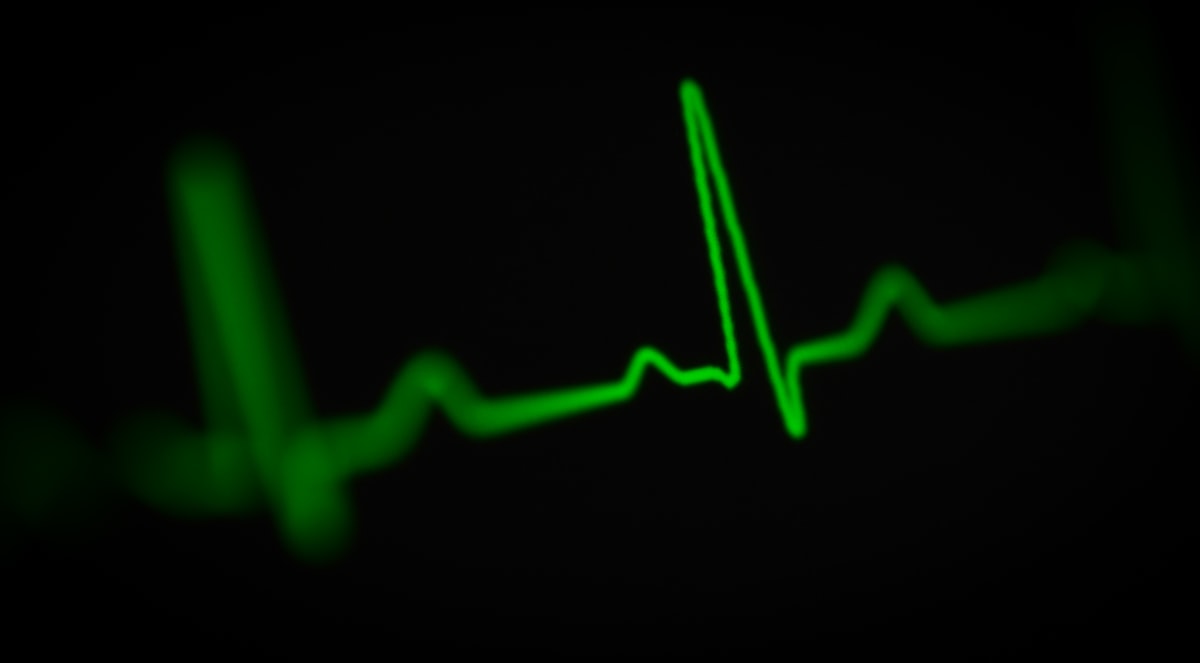
An ECG produces a familiar waveform, a spiky line tracing the heart’s electrical impulses. To a trained cardiologist, it reveals rhythm problems and tissue damage. But the AI reads patterns in that waveform that are invisible even to experts, and it doesn't need a second opinion to catch what a human eye might miss. It detects subtle markers associated with weakened heart muscle and faulty valves, conditions that typically require an ultrasound to diagnose. That changes everything.
That matters because early diagnosis is the difference between life and death for heart failure and valve disease. It's that stark. Patients who catch these conditions early can start lifesaving medicines before they become dangerously unwell, and that head start often keeps them out of the hospital entirely. So the AI doesn't replace the echocardiogram, not at all. But it acts as a powerful triage tool, identifying who needs that scan most urgently, and it does this in seconds. That's the real win.
The Numbers Behind the Breakthrough
The trial tracked 67,000 patients across the US. The results were nothing short of striking. The AI tool flagged up to 81% of those with heart failure, and it also caught up to 90% of heart valve disease cases. But those aren't perfect scores. It can't definitively diagnose or rule out either condition on its own, so the tool doesn't replace a doctor's judgment. Still, it offers a very strong indication, strong enough to fast-track a patient for a confirmatory scan. And that speed could save lives.
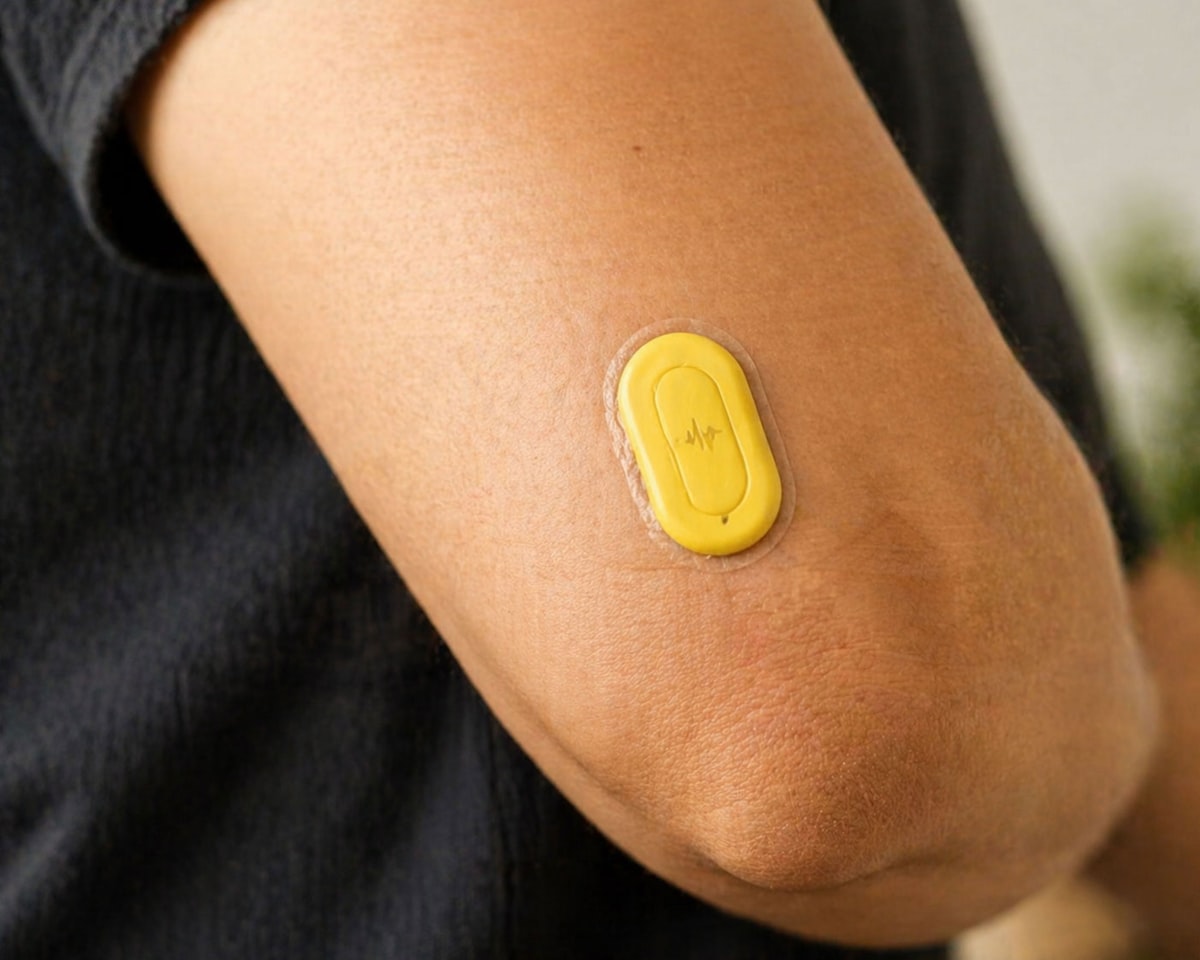
The opportunity is enormous. ECGs are among the most common tests in medicine, with roughly a billion performed worldwide each year, and that staggering volume means the potential reach of this AI is nearly limitless. So if it can run on all of those, it could catch thousands of cases that would otherwise slip through unnoticed. That's the real prize.
Who Stands to Benefit
Dr Sonya Babu-Narayan sees this as a turning point. She's a consultant cardiologist and clinical director of the British Heart Foundation, which funded the trial, and her excitement is palpable when she considers what the technology can now achieve. “It is exciting to see that AI can now deliver a read-out from an ECG in what feels like the blink of an eye,” she said. But this isn't a magic bullet. “Technology like the AI ECG in this research, which has the potential to identify high-risk patients early, will not detect everyone with a heart condition.” So it could still be a real solution. “It could be a solution to help fast-track the patients who are most likely to have a heart abnormality.” And for the heart, timing matters. “For the heart, earlier diagnosis and treatment saves and improves lives.”
Prof Fu Siong Ng, a cardiology professor at Imperial College London, points to the real-world problem this tackles. Patients can wait months. Seriously, months for a heart ultrasound after their doctor refers them, and that delay can feel like an eternity when you're worried about your health. But here's what excites him: our technology could flag those at highest risk of heart failure or valve disease, so they'd jump the queue for scans, getting urgent care faster. That's the breakthrough. It's not just speed for speed's sake; it's about prioritizing the people who can't afford to wait.
Ng sees a more opportunistic application. Run it on every ECG a hospital performs, even those ordered for entirely different reasons, and you've got a silent screening tool that never sleeps. “Another potential application of this AI model is to opportunistically diagnose heart failure and heart valve disease in whom these conditions are not suspected,” he said. So the AI model could run on all ECGs done in a hospital to flag those at highest risk of these diseases, and that's how they get diagnosed earlier. It's that simple.
The Next Step for the Technology
Dr Ahmed El-Medany, a BHF clinical research fellow who led the analysis at Imperial College London, called the tool a “superhuman AI.” It’s a bold claim. But his team’s next challenge is to build handheld AI-led ECG readers that healthcare professionals can use at the bedside or in the clinic, and that would take the technology out of the hospital computer system, putting it directly into the hands of doctors. So the machine’s power finally reaches the bedside. That’s the real shift.
Separately, researchers at the University of Tokyo and the Institute of Science Tokyo presented work on using AI to analyze five-second facial videos to improve diagnosis. That work is at an earlier stage. But it points to a broader trend, one that's becoming impossible to ignore as AI rapidly shifts from a novelty into a diagnostic partner across nearly every field of medicine. So don't write it off yet.
“The AI model could be run on all ECGs done in a hospital to flag those at highest risk of these diseases, so that they can be diagnosed earlier.”
Important. The AI is not a replacement for human judgment. It is a filter, a way to sort the millions of ECGs performed each year and find the small fraction of patients who need urgent attention. For those patients, the difference between a two-second AI read and a six-month wait for an ultrasound could be the difference between a manageable condition and a life-threatening emergency.
The tool is not yet in widespread clinical use, and the trial results, while promising, need to be replicated in larger and more diverse populations. But the direction is clear. An AI tool that detects heart disease in seconds, trained on millions of patient records, is no longer a research curiosity. It is a practical answer to a very real problem.
Millions of people with high blood pressure or type 2 diabetes don’t even know they have those conditions. It's a silent epidemic. Heart failure and valve disease often progress quietly too, slipping past routine checkups until the damage is already done. But a cheap, fast, and widely available screening tool that catches them earlier could change the disease’s trajectory for millions of patients worldwide. That changes everything. So we’ve got to find it.
Frequently Asked Questions
What is the primary capability of the new AI tool described in the article?
The AI tool can detect signs of heart failure and heart valve disease directly from a routine electrocardiogram (ECG) in under two seconds. It reads patterns in the ECG waveform that are invisible to human experts, flagging subtle markers associated with weakened heart muscle and faulty valves.
Why is early detection of heart failure and valve disease considered critical according to the article?
Early diagnosis is described as the difference between life and death for these conditions. Patients who catch these conditions early can start lifesaving medicines before becoming dangerously unwell, often keeping them out of the hospital entirely.
How does the AI tool potentially reduce delays in receiving an echocardiogram?
The AI tool acts as a triage tool, identifying which patients need an echocardiogram most urgently. Since ECGs are far more common than ultrasounds, the AI can fast-track high-risk patients for confirmatory scans, potentially reducing the months-long wait typically associated with heart ultrasounds.
What were the detection rates of the AI tool in the trial, and what are its limitations?
In a trial of 67,000 patients, the AI flagged up to 81% of those with heart failure and up to 90% of heart valve disease cases. However, it cannot definitively diagnose or rule out either condition on its own, so it does not replace a doctor's judgment.
Who are the key medical professionals quoted in the article, and what are their perspectives on the AI tool?
Dr Sonya Babu-Narayan, a consultant cardiologist and clinical director of the British Heart Foundation, finds it exciting that AI can deliver an ECG read-out in the blink of an eye, but notes it won't detect everyone. Prof Fu Siong Ng highlights its potential to flag high-risk patients for urgent scans and to opportunistically diagnose conditions in unsuspected patients. Dr Ahmed El-Medany called the tool a 'superhuman AI' and mentioned the next step is building handheld AI-led ECG readers.
Nadia Petrov covers science and research across disciplines, from the laboratory to the field. She enjoys making discovery accessible and showing why new findings matter.
💬 Comments (0)
No comments yet. Be the first!