What Tougher Parenting Orders Mean for You
Parenting Orders could soon bring bigger fines and even jail for parents if a child breaks the law. Here's a quick reality check.
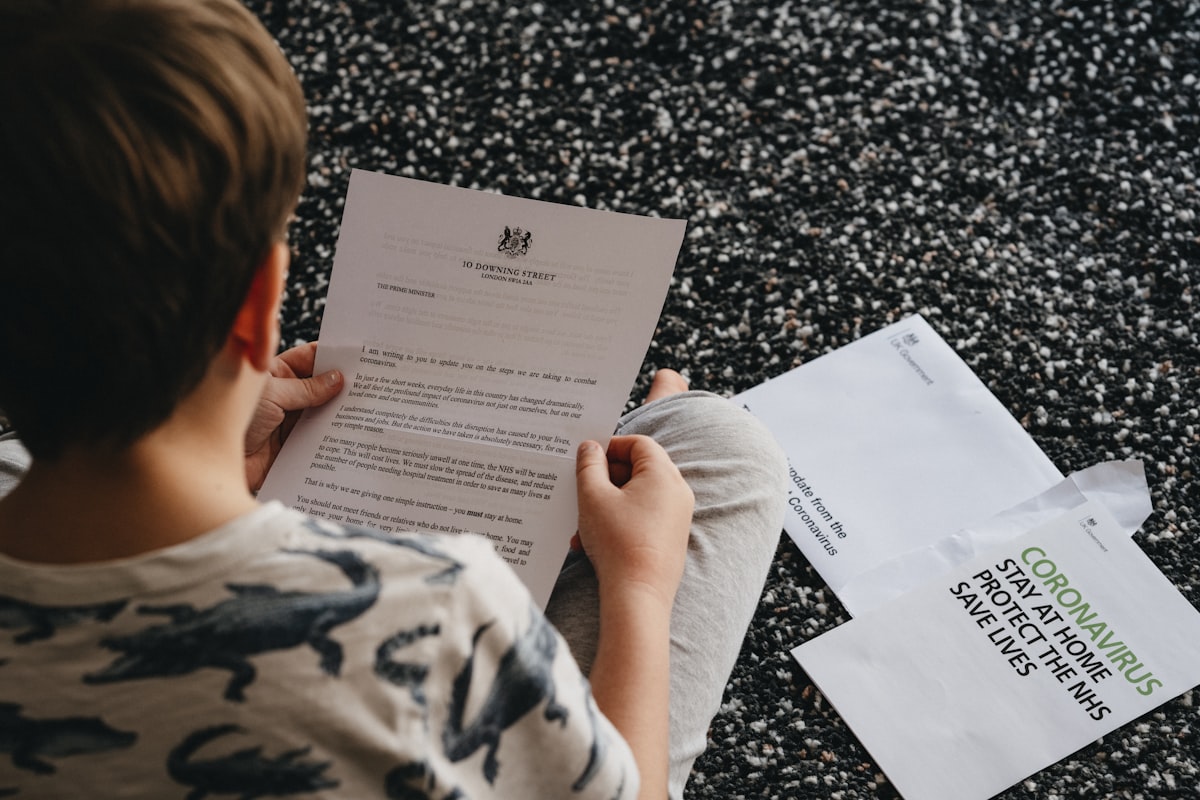
Parenting Orders are about to get teeth. Real teeth. If your child commits a crime and you do not step up the way a court demands, the government wants the power to fine you more and, in the rarest cases, send you to jail. The Youth Justice White Paper, published on Monday, lays out the plan. Let me translate what it actually means for you.
The Government Is Rewriting the Rules
What Parenting Orders Do
Parenting Orders aren't new. Courts can already slap one on you if your child under 16 gets convicted. But for 16 and 17-year-olds, a judge can issue an order if they think it would stop further offences, compelling you to address your child's behaviour through counselling, guidance programmes, or other support measures. So ignore it and you'll face penalties.
Here is the deal. The current maximum fine for breaching a Parenting Order sits at £1,000. That number is about to climb.
The Penalty Upgrade
A Ministry of Justice source told the BBC the government plans to push the fine beyond that £1,000 ceiling, and it's a shock that for the most extreme cases there'll be powers to jail parents. Deputy Prime Minister and Justice Secretary David Lammy said he would expect that jail power to be used "very, very rarely." But it's on the books.
"If a parent has an addiction issue, if a parent is struggling with depression, if a parent is unable to parent.. the judge can intervene to make sure that that young person is getting the support that they need and the parent is doing the best that they can."
That is Lammy talking to BBC Breakfast. He framed the orders as support, not punishment. But the fine and jail threat are real.
What This Means for Parents
Why Orders Nearly Vanished
Here is the loophole the White Paper does not shout about. Parenting Orders have collapsed in use. The numbers are stark: more than 1,000 orders in 2009/10. Just 33 in 2022/23. Thirty-three. Across all of England and Wales. The government wants to resurrect a tool that courts have almost entirely abandoned.
So what happened? Jess Mullen, chief executive of the Alliance for Youth Justice, which represents over 70 organisations, has a clear answer. Voluntary engagement worked better.
"The decline in use of Parenting Orders was largely because engaging with parents on a voluntary basis had been found to be more effective in building trusting relationships and providing support."
She also posed a question the White Paper struggles to answer: how does putting a parent in prison provide stability or support for a child?
Will Parents Go to Jail?
Real talk: probably not. Lammy practically said as much. The jail power is there for the extreme edge cases, the situations where a parent's refusal to engage is so total that a judge has no other lever. For most people, the practical change is a bigger fine and a court that pushes harder. But the threat now exists. That shifts the dynamic.
The Critics Aren't Buying It
The Pushback
The government admits it's broken. The Alliance for Youth Justice welcomed that recognition, but they said the proposals rely too heavily on pilots, consultations, and reviews rather than bold action, and their spokeswoman called for legislated limits on custody and binding targets on racial disparities.

Conservative shadow justice secretary Nick Timothy took a different angle, arguing that Labour had already shown they're not tough on crime by pointing to early prisoner releases and the abolition of short-term sentences, and that is his framing. It talks tough, acts soft.
8 in 10 prolific offenders committed their first crime as a child. Two-thirds of those released from custody reoffend within a year. Those are the figures the government is using to justify intervention. But the question remains whether resurrecting Parenting Orders is the right kind of intervention.
What Else Is Changing
Quick Facts from the White Paper
- Youth Intervention Courts will be piloted, bringing judges and specialist support together to tackle root causes of offending.
- The government wants to cut unnecessary custodial remand for children by 25% before the next election.
- Youth Rehabilitation Orders could be strengthened, with electronic monitoring to track a child's whereabouts.
- An extra £15.4m a year goes to the Turnaround early intervention programme, targeting 12,000 children at risk over the next three years.
- A new child criminal exploitation offence will target adults who draw children into crime.
- Childhood criminal record disclosure rules will be reviewed, potentially ending lifelong disclosure for childhood offences.
The Bottom Line
Parenting Orders are getting sharper. Fines go up. Jail becomes a theoretical possibility. But the tool has been in freefall for over a decade because the voluntary approach simply worked better. The government is betting it can make compulsion stick where persuasion won. Whether judges actually use these expanded powers is the part nobody can answer yet. Watch the pilot courts. That is where the real test begins.

Valerie Dubois covers public policy and regulation, with a focus on how decisions made by governments affect technology and society. She follows the debates that shape the rules we all live by.
💬 Comments (0)
No comments yet. Be the first!