DHS Immigration Scams: What You Need to Know
DHS is launching an investigation into immigration scams that have bilked victims out of $94.4 million in five years.

DHS immigration scams are surging right now. Bad actors exploit fear to steal money from vulnerable people, and fraud complaints have doubled recently, leaving victims in financial ruin and, in extreme cases, facing deportation after they're tricked by fake legal help. But it's a cruel trap.
How the Scams Work
Criminals are using highly deceptive tactics. But they're specifically targeting people stuck in the middle of official immigration proceedings, often posting ads on social media platforms like Facebook and TikTok. They move the conversation to encrypted messaging apps such as WhatsApp to avoid detection. It's a scam. They claim to provide official filings or help people avoid court hearings, charging large sums of money for services that don't even exist.
The Rise of AI Fraud
Technology has made these scams even more dangerous. But criminals now use AI-generated videos to impersonate real attorneys, and these videos are often realistic, featuring the lawyer sitting in an office with professional props while speaking fluent Spanish with convincing gestures. Some of these fake videos even show the attorney in front of legal credentials or degrees. It's a dirty trick. They're building false trust.
Red Flags to Spot
You need to stay alert for specific signs of fraud. If you are involved in immigration processes, watch for these common traps:
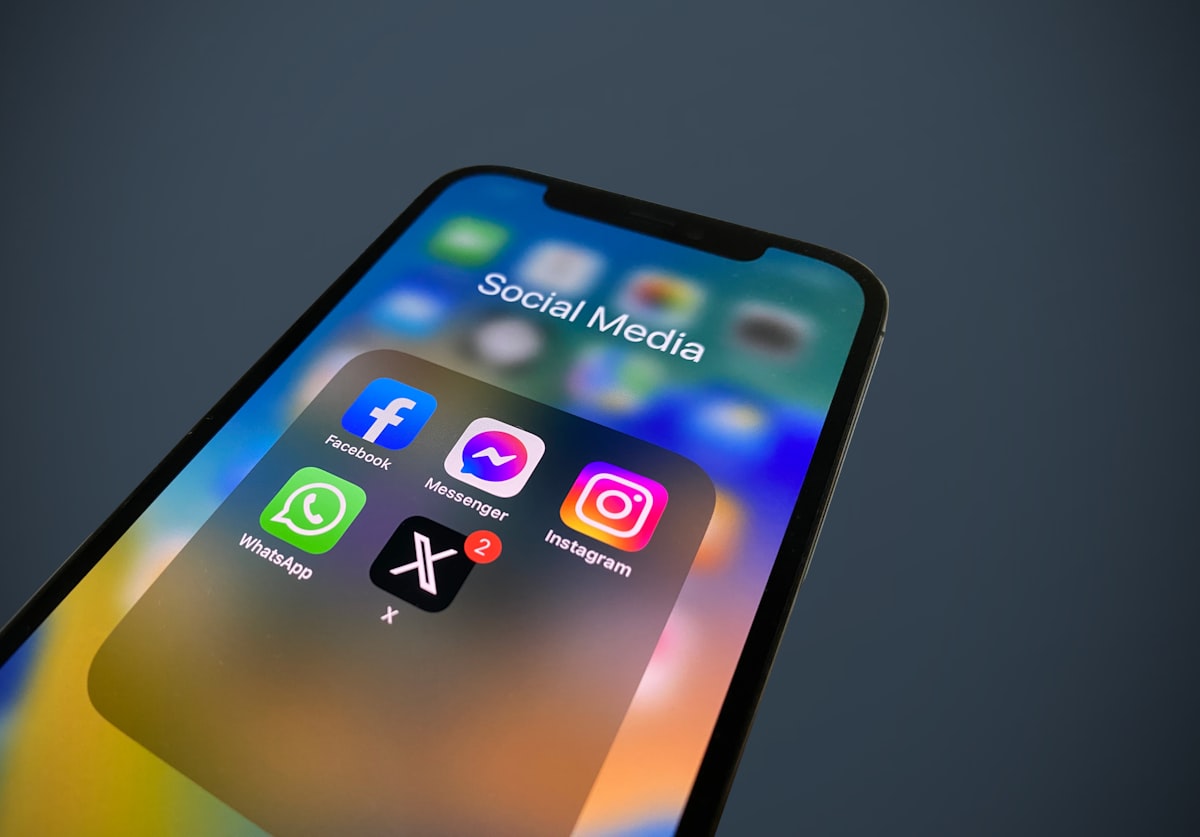
- Lawyers who only advertise through social media and move discussions to WhatsApp.
- Requests for payment through apps like Zelle.
- Individuals claiming to be government agents who demand personal data or threaten deportation.
- Organizations that copy the branding of legitimate advocacy groups like Catholic Charities USA to appear official.
Kevin Brennan, vice president for media relations at Catholic Charities USA, warned about this specific behavior: "Directly reaching out to people via an ad or via WhatsApp and asking for money over Zelle, that is not something Catholic Charities agencies would ever do."
The Legal Fallout
The impact goes far beyond lost savings. But many victims think they're working with real professionals, only to miss actual court dates or file incorrect paperwork, which can lead to severe legal consequences like being deported. Some scammers even host fake court hearings on WhatsApp, using actors in phony uniforms to maintain the ruse. It's a devastating trap.
What You Can Do
Protecting yourself requires caution. Document every ad, message, and payment request you receive. If you see something that looks suspicious, do not share personal details or send money. Legal groups like the American Immigration Lawyers Association are struggling to combat these fake profiles and ads, describing the effort as a game of Whac-a-Mole because scammers simply create new websites as soon as old ones are removed.
Charity Anastasio of the American Immigration Lawyers Association described the situation as "Whac-a-Mole," noting that it is cheap and easy for scammers to keep creating new websites and accounts even after being reported.
The Government Response
Federal investigators are working to identify the digital footprint of these networks. They're hunting for URLs, WhatsApp numbers, and payment details linked to fraudulent accounts. So authorities have declared an all-out war on these criminal networks, citing the risks they pose to national security and public safety. But here's the critical warning: you must verify every contact directly through official channels rather than clicking on social media advertisements if you're currently dealing with immigration paperwork. It's serious.
The Bottom Line
If an offer seems too good to be true, it likely is. So don't trust social media ads that promise ways to bypass standard court procedures. But rely only on verified, licensed professionals who do not solicit payments through instant messaging apps. That's the safest path.
Frequently Asked Questions
What are DHS immigration scams and how do they work according to the article?
DHS immigration scams are fraudulent schemes that exploit fear to steal money from vulnerable people involved in immigration proceedings. Scammers use ads on social media platforms like Facebook and TikTok, then move conversations to encrypted messaging apps like WhatsApp to avoid detection, charging large sums for fake services.
How has AI technology made these scams more dangerous?
Criminals use AI-generated videos to impersonate real attorneys, featuring realistic depictions like sitting in an office with professional props and speaking fluent Spanish with convincing gestures. Some fake videos even show the attorney in front of legal credentials or degrees, building false trust.
What red flags should people watch for to spot DHS immigration scams?
Key red flags include lawyers who only advertise on social media and move discussions to WhatsApp, requests for payment through apps like Zelle, and individuals claiming to be government agents who demand personal data or threaten deportation. Also watch for organizations copying the branding of legitimate groups like Catholic Charities USA.
What legal consequences can victims face from these scams?
Victims may miss actual court dates or file incorrect paperwork, leading to severe legal consequences such as deportation. Some scammers even host fake court hearings on WhatsApp using actors in phony uniforms to maintain the ruse.
What is the government's response to DHS immigration scams, and what should individuals do to protect themselves?
Federal investigators are hunting for digital footprints like URLs, WhatsApp numbers, and payment details linked to fraudulent accounts, declaring an all-out war on these networks. Individuals should verify every contact through official channels, document suspicious ads and messages, and avoid sharing personal details or sending money.

Valerie Dubois covers public policy and regulation, with a focus on how decisions made by governments affect technology and society. She follows the debates that shape the rules we all live by.
💬 Comments (0)
No comments yet. Be the first!