UK Responds to Falkland Islands dispute
The Falkland Islands dispute reignites after Argentina players celebrate their World Cup victory with a territorial banner.
Falkland Islands dispute flares following World Cup tension
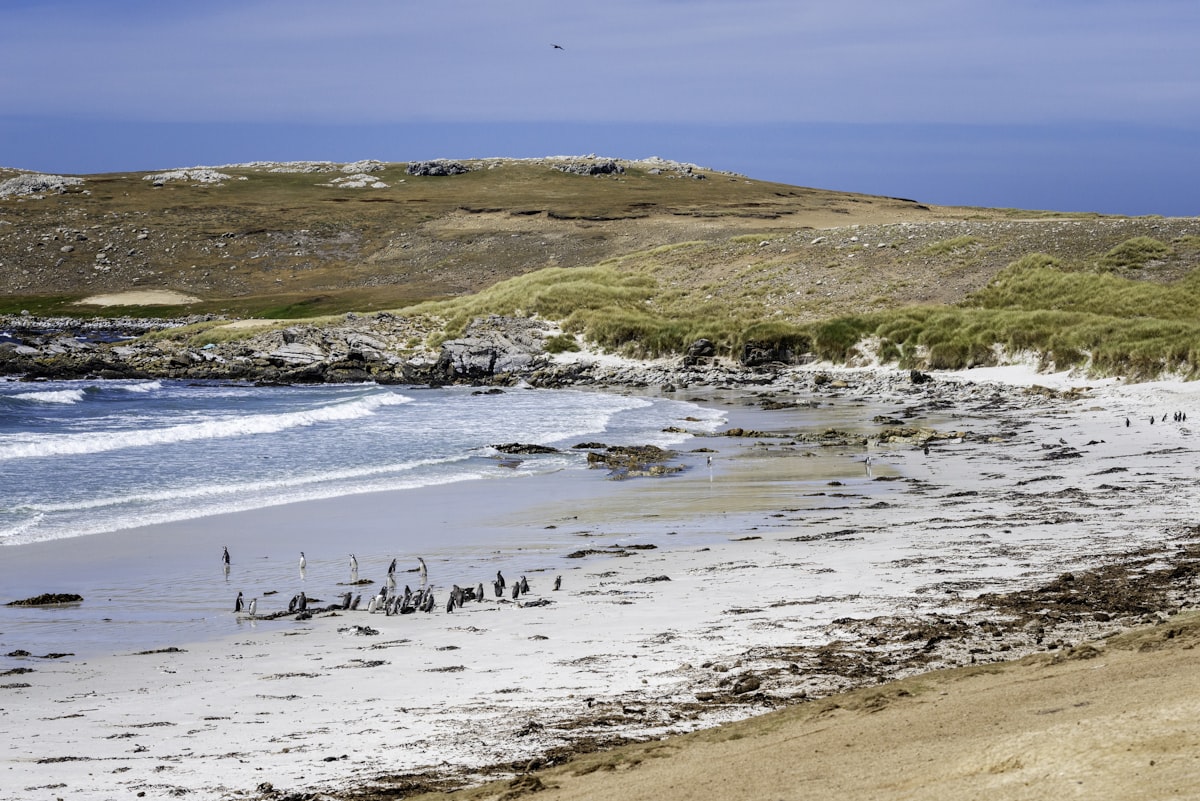
Falkland Islands dispute narratives have resurfaced. It's all because of a heated World Cup semi-final that prompted a firm response from the UK government after Argentina secured a 2-1 victory over England in Atlanta, and several Argentine players displayed a banner explicitly referencing the territorial disagreement. The text on the banner stated that the islands are Argentine. But that act has drawn immediate condemnation from British political figures.
Sovereignty remains non-negotiable
Downing Street officials emphasized that the government position on the territory has not changed. So the official stance remains clear. Self-determination is still the right of the islanders, and the United Kingdom's commitment to the territory won't waver, but disciplinary consequences for the players involved fall under Fifa's jurisdiction, the current administration noted. They support a formal investigation into the incident. It's a firm line.
The 1982 conflict still shadows relations between these two nations. But that 74-day struggle cost 255 British military personnel, three islanders, and 649 Argentine soldiers their lives, and it's a toll that can't be undone. Can't change history. Today, the UK maintains it has no doubt regarding its sovereignty over the region and the surrounding maritime areas.
Political fallout in Westminster
Parliament has been vocal. They're furious. Liberal Democrat MP Al Pinkerton called the Atlanta displays disgraceful, arguing that the sport was improperly used as a platform to challenge the democratic rights of those living on the islands, and that's simply not acceptable. Government representatives urged a return to focusing on the match, but other political leaders offered their own assessments of the situation.
- In a 2013 referendum, 1,513 people voted to remain a UK overseas territory.
- Only three votes were cast against remaining a UK territory.
- The 2013 referendum turnout was more than 90 percent.
- The 1982 conflict lasted for a total of 74 days.
Calls for disciplinary action
The incident has led to public demands for accountability. Sir Ed Davey, the leader of the Liberal Democrats, suggested that the players involved should be barred from the final, drawing a comparison to previous disciplinary actions taken by Uefa against Spanish players for similar territorial chants. Other political reactions included:
No fix needed. - Kemi Badenoch, Conservative Party leader
Reform UK leader Nigel Farage expressed disgust at the behavior and focused his commentary on the urgent need for strengthening the Royal Navy's capabilities. But the Argentine side has remained defiant. Vice-president Victoria Villarruel utilized social media to reiterate the territorial claim, stating that the islands are carried in the blood and hearts of their people. It's a firm stance.
Balancing sports and history
Lionel Scaloni tried to separate the game from the past's political weight. It's a sad period in history, he said. But he wouldn't mix sports with politics, emphasizing that these two worlds should remain distinct and separate from one another. So the rivalry persists. Decades of history and high-stakes matches keep that intensity burning bright, and it's not something they can just ignore.
The current climate shows how easily international sporting events can become intertwined with long-standing territorial arguments. It's a mess. So with the Falkland Islands dispute once again in the spotlight, the focus remains on whether governing bodies will take administrative action against those who used the pitch to make political statements. But for now, the British government maintains its commitment to the status quo. We've seen this before.
Frequently Asked Questions
What triggered the recent flare-up in the Falkland Islands dispute according to the article?
The dispute flared following a heated World Cup semi-final where Argentina defeated England 2-1 in Atlanta. Several Argentine players displayed a banner explicitly referencing the territorial disagreement, stating that the islands are Argentine.
How did the UK government respond to the incident involving Argentine players?
Downing Street officials emphasized that the government position on the territory has not changed and that sovereignty remains non-negotiable. They stated that self-determination is still the right of the islanders and support a formal investigation into the incident under FIFA's jurisdiction.
Why did Liberal Democrat MP Al Pinkerton criticize the Argentine players' actions?
Al Pinkerton called the displays disgraceful, arguing that the sport was improperly used as a platform to challenge the democratic rights of those living on the islands. He stated that this is simply not acceptable.
What was the result of the 2013 referendum on the Falkland Islands mentioned in the article?
In the 2013 referendum, 1,513 people voted to remain a UK overseas territory, with only three votes cast against remaining a UK territory. The turnout was more than 90 percent.
Who suggested that the Argentine players should be barred from the final, and what comparison was made?
Sir Ed Davey, the leader of the Liberal Democrats, suggested that the players involved should be barred from the final. He drew a comparison to previous disciplinary actions taken by UEFA against Spanish players for similar territorial chants.

Henrik Sorensen writes about government, regulation and the public interest. He is interested in where policy meets innovation, and how the two can be made to work together.
💬 Comments (0)
No comments yet. Be the first!