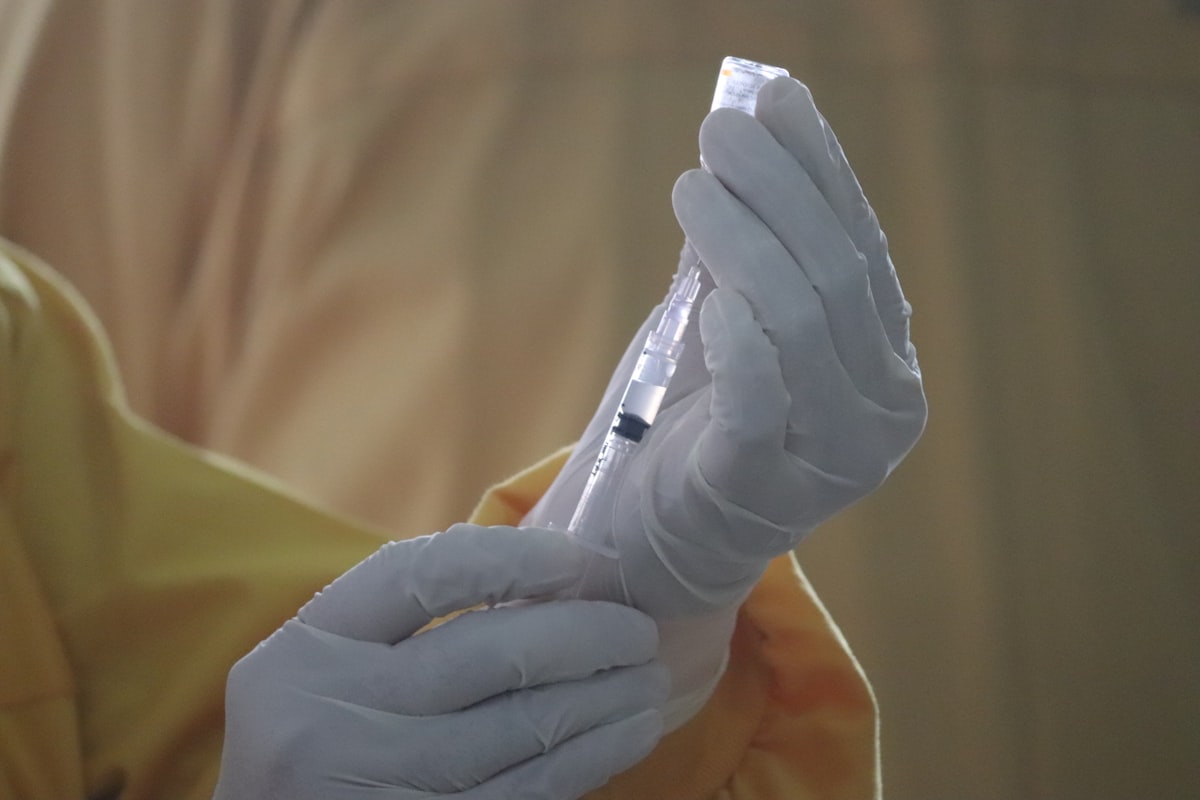
ProPublica Analysis Finds Habeas Delays in Mississippi and Louisiana
ProPublica analysis finds habeas delays in Mississippi and Louisiana, with cases taking a median of 92 and 89 days, leaving immigrants detained longer.

Habeas Delays Leave Detainees Waiting for Answers
Habeas delays have become a defining feature of immigration detention in Mississippi and Louisiana. Federal judges there typically take three months or more to decide whether someone is being unlawfully held, according to a new analysis of court records from over 70,000 habeas petitions filed since January 2025. That’s a stark geographic divide. And it shows how quickly detainees get their day in court isn’t just slow, it’s wildly uneven, with some jurisdictions moving at a crawl while others push through cases at a different pace entirely. So the wait can't be called fair. It’s simply a lottery of geography.
Mississippi’s Southern District? Half of all resolved cases took 92 days or longer, the longest wait of any state. Louisiana isn’t far behind, with more than 2,600 petitions filed and a median closure time of 89 days that stacks up as nearly three months of uncertainty for every person caught in that system. These aren’t abstract statistics. They represent real people sitting in prisonlike ICE facilities while their freedom hangs in the balance, and it’s a slow, grinding clock that ticks against them daily. So don’t look away. But the numbers only whisper what the waiting does to a life.
Some detainees have grown so desperate that they’ve accepted deportation rather than wait for a judge to rule. Others were removed before their cases could even be decided. So the human cost of these habeas delays is staggering. It’s immense. But we can’t ignore that cost, not when freedom hangs in the balance for every single person caught in this limbo.
The Uneven Landscape of Federal Courts
The picture looks completely different elsewhere. That's a stark contrast. Courts in Minnesota have closed habeas cases in a median of just 12 days, despite handling more than 1,500 petitions, so the system there clearly moves with remarkable speed. Oklahoma’s Western District sits in the middle at 63 days. And down south, Texas, California, and Florida have each processed thousands more petitions and typically reach decisions within about six weeks, which means they're not far off Oklahoma's pace but still lag well behind Minnesota's swift turnaround. It's a wide spectrum.
What explains the discrepancy? It's all about local adaptation. The Trump administration’s mass detention push created a tidal wave of habeas petitions that has inundated already crowded federal dockets, and that surge hit districts unevenly, forcing each one to scramble in its own way. But judges with staffing shortages and heavy criminal trial schedules have struggled to keep up, and they can't simply pause their other obligations to clear the backlog. So the gap widens.
The imbalance has created what one immigration attorney describes as a “completely unresponsive black hole.” Bonita Gutierrez, a California-based lawyer, watched her habeas cases move swiftly in her home state, securing releases within days. But when her client’s adult son was sent to a Mississippi detention center, she filed a petition in February and received no response for a month after both sides presented arguments. Emails to the court deputy went unanswered.
He didn't leave willingly. That man was eventually deported in late April, his eight months inside ICE custody finally ending when immigration officials put him on a plane bound for his home country. But his habeas case became moot the instant he touched down elsewhere, so the legal fight just evaporated. It's over now.
A Single Judge Overwhelmed
Part of Mississippi’s bottleneck stems from how cases are assigned. Almost all petitions in the Southern District go to Judge David C. Bramlette III, a George H.W. Bush appointee, who then refers matters to two magistrate judges. Bramlette has been assigned 747 habeas cases during the second Trump administration, and roughly 72% of them remain active.
They’ve shipped countless detainees to massive facilities in Louisiana and Mississippi. That complicates legal representation and concentrates the caseload squarely in those two states, where overburdened public defenders and nonprofit attorneys now struggle to reach clients scattered across rural counties and distant prison complexes. But Adams County Correctional Center in Mississippi, one of the country’s largest ICE facilities, sits right within Bramlette’s division. It’s a heavy load.
Lawyers practicing in the state say their cases are languishing after briefs have been filed. One such case involves Aidar Nafikov, a Russian asylum seeker who filed his habeas petition in April after more than a year and a half in detention. His case was argued before Bramlette in June. No response has come.
“The amount of food they are being given is simply not enough, and people are left hungry,” said Liudmila Nafikov, whose husband has been detained in a large Mississippi facility for nearly two years. “For three days, they have had no hot food or hot water.”
Conditions Inside Detention
Nafikov’s wife paints a grim picture. Her husband has suffered repeated bouts of strep throat and developed kidney problems while in custody, and she says that getting medical help is difficult because their complaints don’t lead to prompt care, leaving him to deteriorate without intervention. It's a slow, frightening decline. But she can't get through to the authorities. So they're left waiting.
Advocates say the habeas delays leave people waiting in facilities plagued by allegations of spoiled food, beatings, and medical neglect.
Liudmila Nafikov disagrees. “I do not believe it is fair or humane to keep people in these conditions for such a long time, especially people who have committed no crime and people who are sick.”
What Habeas Corpus Actually Requires
Habeas corpus, Latin for “you should have the body,” is designed to be fast. It exists so anyone in the United States can challenge their detention in court, and the stakes of delay are immense because a person’s liberty hangs in the balance. But speed isn't just a preference,it's the whole point.
The U.S. Court of Appeals for the D.C. Circuit recognized this back in 1988, writing that delay is “especially to be avoided in the sensitive context of habeas corpus.” The habeas statute directs judges to give the government three days to respond initially, with extensions possible up to 20 days. But judges retain broad discretion to set their own deadlines, balancing habeas petitions against criminal trials and other civil litigation.
For non-immigration habeas cases, the rules are even vaguer, requiring only that judges order the government to respond “within a fixed time.”
Advocates Push for Change
The delays were causing real harm. So in March, immigration attorneys across Mississippi sent a letter to Chief Judge Sul Ozerden, urging him to spread habeas cases among other district judges. They pointed to a Pennsylvania court that had recently done the same thing. It's a simple fix. But the letter's core claim is that one judge can't carry this load alone, not when detainees are waiting months for rulings that should take weeks.
Officials have only added an option to file habeas cases electronically, according to Korbin Felder, an attorney at the Center for Constitutional Rights who signed the letter. The other recommendations remain unaddressed. Ozerden did not respond to requests for comment.
- Mississippi’s Southern District: median of 92 days to close habeas cases
- Louisiana: median of 89 days across more than 2,600 petitions
- Minnesota: median of 12 days despite over 1,500 filings
- Oklahoma’s Western District: median of 63 days
Louisiana presents its own challenges. Attorneys there say it’s difficult to get a habeas case moving at all. Until recently, petitioners in the Western District had to formally deliver lawsuit papers and summons to government officials, a procedural hurdle that added further delay to an already slow process.
One bright spot exists in the data. According to Politico, the vast majority of judges have ruled against the Trump administration in habeas cases, and that pattern holds across multiple courts and jurisdictions. Lawyers say judges who are receptive to habeas relief tend to issue decisions quickly, often within days or even hours of the filings. But the problem isn't the outcome. It's the wait. That wait can stretch for months, and for detainees whose liberty hangs on a single ruling, the delay is a punishment in itself. So the real crisis isn't the judges' rulings; it's the glacial pace that follows them.
For detainees in Mississippi and Louisiana, that wait continues. Some have been deported. But others remain locked up, their habeas petitions sitting in a queue with no clear end in sight, a backlog that swallows hope as the system meant to protect their liberty has, in practice, become another barrier to it, and that's a cruel twist they can't escape.
Frequently Asked Questions
What are the median habeas delays in Mississippi and Louisiana according to the analysis?
Mississippi's Southern District had a median of 92 days to close habeas cases, the longest of any state. Louisiana had a median of 89 days across more than 2,600 petitions.
Why are habeas delays in Mississippi and Louisiana described as a 'lottery of geography'?
The article describes the wait as wildly uneven, with some jurisdictions moving quickly while others are slow. It states that the wait can't be called fair because it's simply a lottery of geography, meaning the outcome depends on where a detainee is held.
How did the case of Aidar Nafikov illustrate the habeas delays in Mississippi?
Aidar Nafikov, a Russian asylum seeker, filed a habeas petition in April after over a year and a half in detention. His case was argued before Judge Bramlette in June, but as of the article's writing, no response had come, highlighting the prolonged wait.
What is the purpose of habeas corpus according to the article, and why is delay especially problematic?
Habeas corpus is designed to be fast and exists so anyone in the U.S. can challenge their detention in court. The article notes that the stakes of delay are immense because liberty hangs in the balance, and the D.C. Circuit recognized that delay is 'especially to be avoided in the sensitive context of habeas corpus.'
What specific recommendation did immigration attorneys make in their letter to Chief Judge Sul Ozerden?
In March, immigration attorneys sent a letter urging Chief Judge Sul Ozerden to spread habeas cases among other district judges. They pointed to a Pennsylvania court that had done the same, but as of the article, only an option to file electronically had been added, leaving other recommendations unaddressed.

Valerie Dubois covers public policy and regulation, with a focus on how decisions made by governments affect technology and society. She follows the debates that shape the rules we all live by.
💬 Comments (0)
No comments yet. Be the first!