Georgia's Lethal Injection Spending Rises Amid Secrecy
Georgia's lethal injection costs exceed $1.1 million since pandemic, despite one execution, with secrecy laws shielding details.
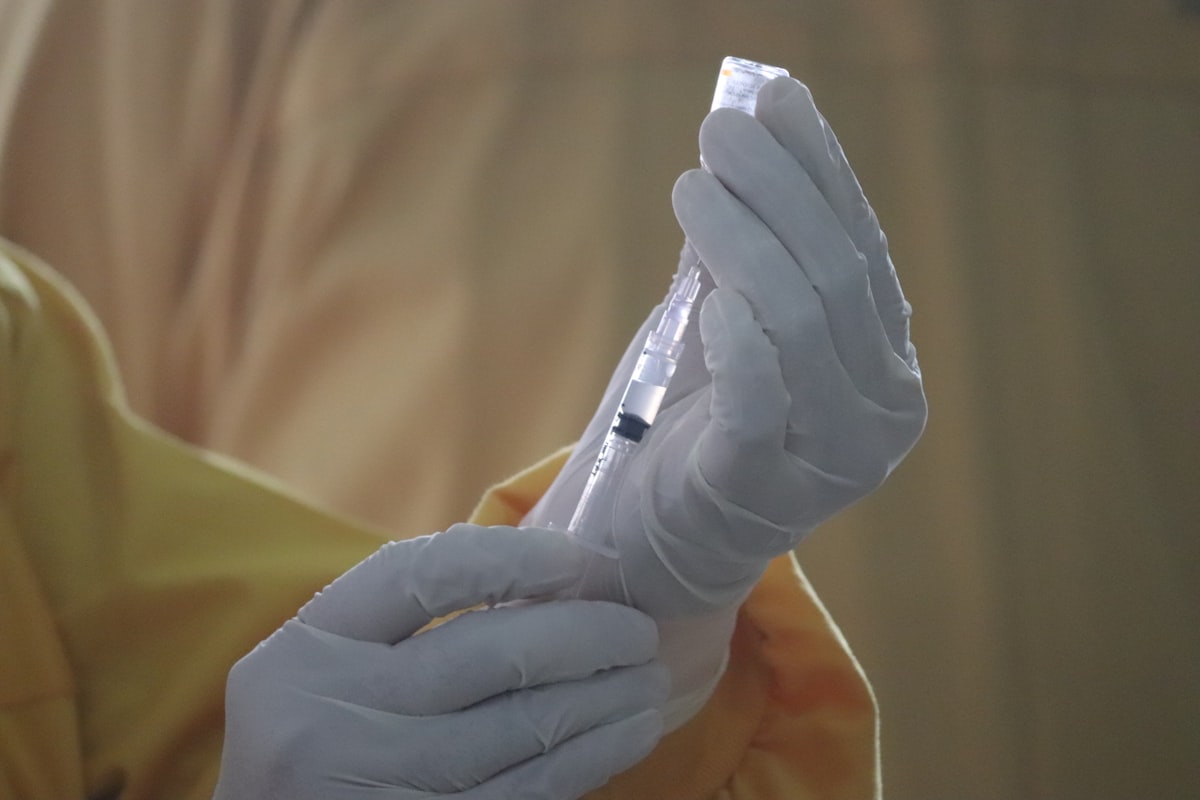
Georgia lethal injection spending has climbed past $1.1 million since the pandemic, even as the state carried out just a single execution during that stretch. The payments, revealed through documents obtained after a years-long open records fight, show a corrections system spending heavily on secrecy-shrouded contractors while refusing to answer basic questions about the rising costs.
The records finally emerged after a three-judge panel sided with a reporter who sued the state. They paint a stark picture. Georgia's death penalty apparatus has grown more expensive and more hidden over the past decade, a shift that becomes clear in the Corrections Department's own ledgers. That agency has spent an average of more than $150,000 per year on lethal injection-related costs over the past decade. It's a staggering sum. But that figure dwarfs what the state agreed to pay before 2017, when the old contracts were far cheaper and the process far less secretive. So the numbers tell their own story. The costs climbed. The curtain fell.
Secrecy Law Shields Growing Bills
Georgia’s Lethal Injection Secrecy Act makes it illegal to disclose the names of those involved with executions. So officials have used that law to withhold records, arguing that public awareness would expose contractors to harassment from death penalty opponents, a claim that rests on the assumption that transparency invites danger. It's a chilling shield. State officials previously said the secrecy measure protects people who would otherwise "find themselves at the center of a firestorm of hate mail and midnight callers," and that's the whole story they're telling. But the law doesn't just guard against threats. It hides the process itself. We can't know who's pulling the lever. That's the point.
Legal experts say the mounting tab reflects a deeper problem: finding anyone willing to participate in executions has become difficult and expensive.
"You wouldn't have to pay this much money if the lethal injection process was an acceptable one," said Deborah Denno, a Fordham University law professor and death penalty expert. "The process itself is so problematic that a lot of money has to be paid."
The state attorney general's office and the Corrections Department both declined to comment for this story, even after releasing the records.
Drug Shortages Drove Georgia Underground
Georgia's turn toward secrecy began in earnest after the state swapped the electric chair for lethal injections in the early 2000s. Death penalty opponents had started pressuring pharmaceutical companies to stop selling execution drugs, and by the end of that decade, the last U.S. factory making a key ingredient had stopped production.

The Drug Enforcement Administration seized Georgia's drug supply in 2011. Then the European Union effectively banned companies from selling execution drugs to states, a move that squeezed the market from two directions at once and left prisons scrambling for any legal path forward. So with supplies running out, Georgia became one of the first states to order from compounding pharmacists, who mix raw ingredients to create custom drugs. That didn't solve everything. But it kept the process moving.
Those pharmacies serve legitimate medical purposes, but they face minimal regulation. The costs can be exorbitant. Medical experts warn that scant oversight increases the odds of a drug failing to work as intended.
In a 2013 affidavit filed on behalf of a Georgia prisoner, a pharmacy expert described the potential consequences of compounded lethal injection drugs: "highly unpredictable, rapidly evolving and potentially painful and agonizing, not to mention life-threatening, reactions may ensue."
States Pay Premiums for Hidden Help
Georgia isn't alone in this grim financial calculus. Texas, Indiana, and Arizona have each shelled out six-figure sums to renew their lethal drug supplies from secret, unaccountable sources, a quiet but costly workaround that keeps the machinery of state killing operational. Oklahoma’s tab tells a stark story: a doctor’s fee per execution jumped from $300 to a staggering $15,000. And the Federal Bureau of Prisons spent millions just on staffing for executions, according to the American Civil Liberties Union. That’s a lot of money for a practice we can’t even watch closely.
Defense attorneys have tried to pry loose information about the people behind Georgia's lethal injections, hoping the details might protect their clients' rights. None have succeeded.
Taxpayers on the Hook for Legal Fights
The records reveal another layer of financial exposure. Georgia has agreed to cover attorney's fees for its contractors if they face certain legal challenges. That's a heavy burden. So taxpayers could end up footing the bill for legal representation in "any non-judicial proceeding," a phrase that stretches the definition of protection far beyond a typical courtroom battle, where costs are already steep. But it doesn't stop there.
One real scenario: a licensing board threatening to punish medical providers for taking part in executions. That has already happened in North Carolina.
The secrecy around Georgia's process dates back to a specific moment. Lawmakers passed the Lethal Injection Secrecy Act in 2013 when the state's drug supply was about to expire, and that timing wasn't accidental, since it gave them cover to act fast. Prosecutors quickly defended it in court. They warned that revealing a compounding pharmacy's identity would end the supply chain entirely, and that threat, they argued, justified keeping the whole process hidden from public view. So the law stuck. But it's a fragile system.
An assistant state attorney general posed the question in a 2013 hearing, and the weight of it hung heavy in the room: "Once that compounding pharmacy's identity is revealed, how will the Department of Corrections ever get another compounding pharmacy to sell to us?" But that wasn't the only fear. "How will we get a doctor knowing that he is going to be, or she is going to be, dragged into court?" he added. It's a chilling dilemma. No one wants to step forward.
The law faced its first real test with Warren Lee Hill. He was slated for execution using compounded drugs, and his attorneys argued that the sheer inability to learn anything about those substances could inflict what they called "irreparable harm" on his constitutional rights. That argument bought him a lengthy reprieve. So he didn't die quickly. Hill finally succumbed to lethal injection in 2015, years after that initial legal battle had stalled the state's plans.
New Execution Looms
Georgia's death penalty process could face fresh scrutiny soon. After a recent state Supreme Court ruling removed a barrier that had paused executions, officials scheduled an execution for Sept. 16. It would be the state's first in two years.
Each new execution date brings fresh questions about who's really behind the injections. The state has fought hard to keep those answers hidden, spending more money than ever to do so. But the records that did come out tell a stark story. They reveal a system straining to find willing participants, at a cost taxpayers are just beginning to see, a cost that grows with every passing month and every sealed document. It's a hidden price tag.
Frequently Asked Questions
How much has Georgia's lethal injection spending increased since the pandemic?
According to the article, Georgia's lethal injection spending has climbed past $1.1 million since the pandemic. This spending occurred even though the state carried out just a single execution during that time frame.
Why did Georgia's lethal injection costs rise significantly after 2017?
The article states that the costs climbed and the curtain fell, with old contracts before 2017 being far cheaper and less secretive. The increase is tied to the state's turn toward secrecy, including the Lethal Injection Secrecy Act and difficulties in finding willing participants.
What is the purpose of Georgia's Lethal Injection Secrecy Act?
The Lethal Injection Secrecy Act makes it illegal to disclose the names of those involved with executions. Officials use it to withhold records, arguing that public awareness would expose contractors to harassment from death penalty opponents.
How did drug shortages drive Georgia to use compounding pharmacists?
By the end of the decade, the last U.S. factory making a key ingredient stopped production, and the DEA seized Georgia's drug supply in 2011. The EU banned companies from selling execution drugs, squeezing the market, so Georgia became one of the first states to order from compounding pharmacists.
What financial exposure does Georgia face for its contractors?
Georgia has agreed to cover attorney's fees for its contractors if they face certain legal challenges. This includes legal representation in any non-judicial proceeding, which could put taxpayers on the hook for costs beyond typical courtroom battles.

Valerie Dubois covers public policy and regulation, with a focus on how decisions made by governments affect technology and society. She follows the debates that shape the rules we all live by.
💬 Comments (0)
No comments yet. Be the first!