Protesters Block Portsmouth Roads After 140 Migrants Arrive
Hundreds of anti-migrant protesters blocked roads in Portsmouth after about 140 migrants arrived in a dinghy, prompting police dispersal orders.
Portsmouth migrant protest erupts after Channel crossing
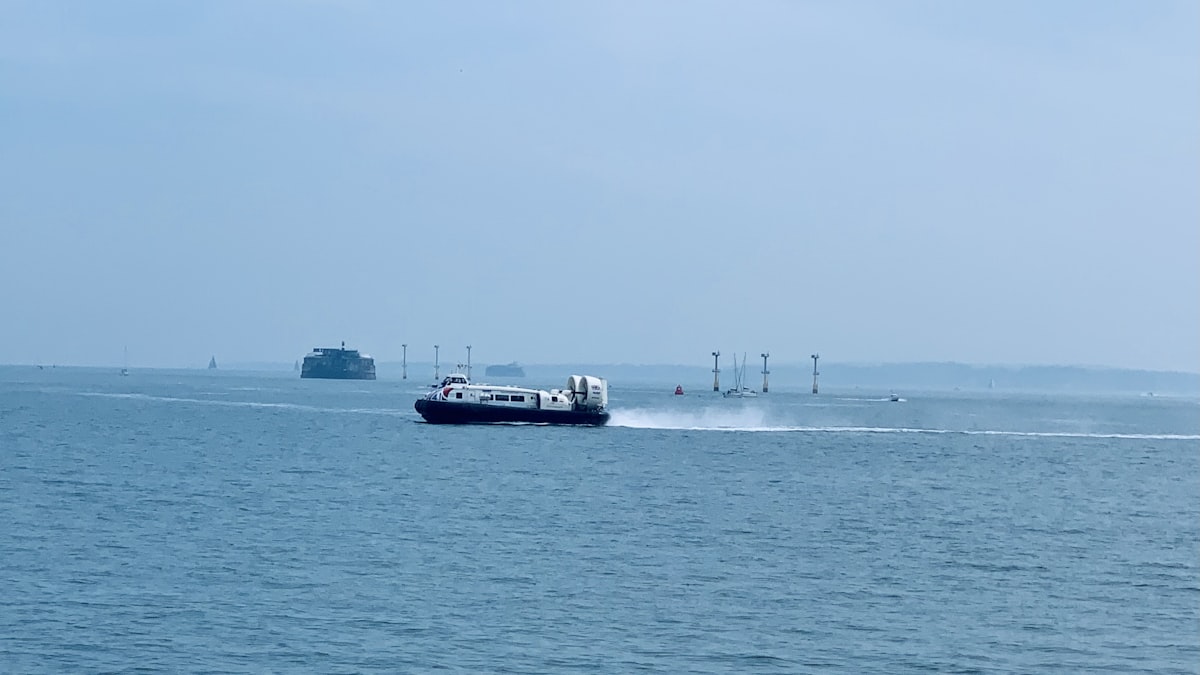
Portsmouth migrant protest activity reached a boiling point Sunday night when hundreds of demonstrators converged on the Eastney Landing ferry port area, blocking roads and facing off with police after roughly 140 people arrived in a single dinghy that had crossed the English Channel.
The scene marked the second major anti-migrant protest of the weekend. It followed a similar demonstration in Dover just a day earlier. Police with riot shields lined up against a crowd dressed largely in black, many wearing masks, and they couldn’t break through as protesters tried to stop authorities from moving the newly arrived migrants to the Manston processing centre in Kent. But the tension was unmistakable. So the standoff dragged on, a heavy silence punctuated by shouts, until both sides settled into a wary, static confrontation that solved nothing at all. That’s the ugly truth.
Roads blocked, dispersal order issued
Hampshire Police took the unusual step of urging the public to avoid the area entirely, confirming that a dispersal order was active, and that order gave officers the authority to arrest anyone who refused to leave the vicinity. It's a blunt warning. So don't test it. But the real message here is simple: stay away, because they can't afford to negotiate with crowds right now.
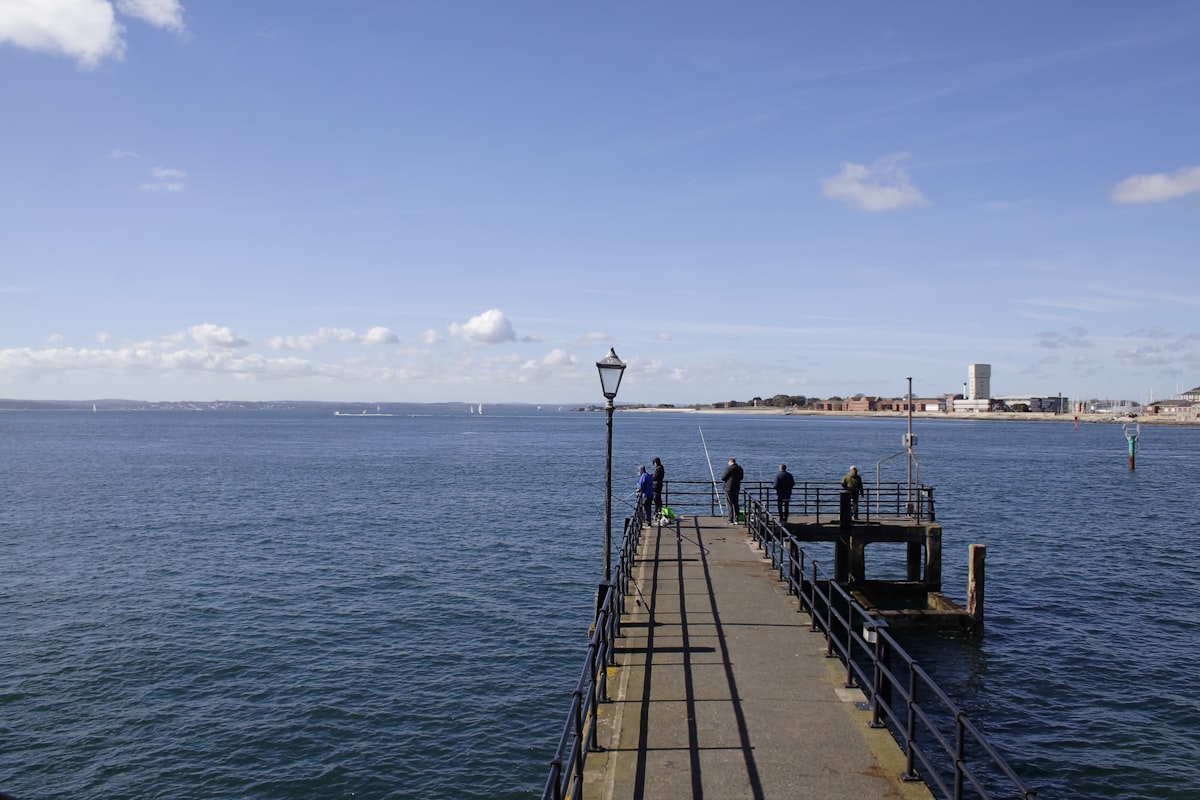
Traffic ground to a halt on every road out of Eastney Marina. Coaches sat parked nearby, waiting to carry the migrants away. But the real story wasn't the vehicles. It was the raw, crackling tension that thickened the air as officers squared off against the crowd, their voices sharp, their bodies rigid, while the protesters held their ground and refused to move an inch.
Daniel Thomas, known online as Danny Tommo and an associate of far-right activist Tommy Robinson, livestreamed from the protest site, where he described the scene to his viewers with a note of grim certainty. Roads are all blocked. So they're never going to be able to leave here, he said, capturing the tension of a crowd hemmed in by barriers and police lines that offered no obvious way out.
Government response sharp and immediate
The government moved quickly to condemn the protest, with a spokesperson issuing a statement that walked a careful line between defending democratic rights and rejecting the tactics on display.
"The right to peaceful protest is fundamental to our democracy, but it must never cross a line into disorder," the spokesperson said. "We thank the emergency services who are working to safely manage this situation."
That message came after protesters were described as engaging in "intimidating and thuggish behaviour," language that signals how seriously the government is taking the weekend's events.
Why this crossing was different
The Portsmouth protest wasn't about the usual route. It was triggered by something far more unexpected, a dinghy that didn't launch from the familiar Calais staging grounds where nearly all other small boat crossings begin their dangerous trek. Instead, it set off from the Bay of the Seine, a point roughly 170 miles away from those typical departure spots. That's a massive difference. So the journey stretched on for a considerably longer time, and that unusual distance, that break from the established pattern, is what really stirred up the tension. It's a strange choice, isn't it?
French rescue boats shadowed the vessel for roughly ten hours, though the coastguard insisted it wasn't safe to try stopping the dinghy out on the open water. So they held back. The boat finally slipped into UK waters at lunchtime. That's when lifeboats from Bembridge and Yarmouth moved in to meet the people aboard, their arrival marking the end of a tense and drawn-out wait.
The choice of launch point raised alarms. Hampshire and Isle of Wight Police and Crime Commissioner Donna Jones told the BBC her primary concern was that Portsmouth could become a "destination of choice for people traffickers" if Dover remains heavily fortified.
The government has invested heavily into Dover, and the operation down there really matters for the holding centre, the processing, and UK Border Force, Jones said. That's what he told us. But we've got hundreds of miles of coastline across southern England, so if Dover is no longer the preferred destination and instead there's a spread across the region, that's a major headache for the government. It's a serious problem.
Political fallout spreads quickly
The political reaction was fast and predictable. Reform UK leader Nigel Farage posted on X that the crossing represented a failure of current policy, pointing to an agreement struck days earlier between Prime Minister Andy Burnham and French President Emmanuel Macron to add 45 more officers on French beaches.
Conservative MP for Isle of Wight East Joe Robertson called it "extremely concerning to see an illegal migrant crossing this far west," given that boats ordinarily land near Dover.
But the Portsmouth migrant protest drew criticism from the left too. Nick Lowles, founder of the anti-fascist group HOPE not Hate, questioned how hundreds of demonstrators could mobilise without police awareness, especially after a similar protest in Dover the previous day had already raised alarms about coordination. That's a fair point. So he wondered where the police were. It's a stark question, and one that cuts deep.
"How can you have 300, 400 people turn up in Dover at 07:00 on a Saturday morning and the police know nothing about it?" Lowles asked. He said the protests attracted "some of the more aggressive and more violent of the far-right activists from around the country" and called on the government to go further in condemning them.
The bigger picture on Channel crossings
The weekend's unrest doesn't happen in a vacuum,wait, no, that's not right. It comes against a backdrop of declining but still notable small boat arrivals, a trend that has reshaped the political conversation even as the numbers remain stubbornly high. And here's the stark reality: 16,513 people arrived in the UK in small boats in the year to 1 September. That's 43% lower than the same period the previous year. But the more recent figures tell a slightly different story, one that complicates any easy narrative of progress, because between 1 January and 6 September 2026, 17,138 people made the crossing, a number that exceeds the annual total by nearly 600 in just over eight months.
Yet those behind the crossings are adapting. Smugglers appear to be loading more people onto fewer, larger vessels.
Prime Minister Andy Burnham has struck an agreement for 45 more officers on French beaches. That's a direct move. But it's only part of the story, because a Home Office spokesperson noted that joint efforts have prevented over 48,000 crossing attempts and seized 1,100 boats and engines since the election, a scale of disruption that can't be ignored. So the numbers speak for themselves. They matter.
The government has also signed a payment-by-results deal with the French to put 40% more officers on French beaches.
But the Portsmouth migrant protest exposed a crack in that strategy. Enforce one stretch of coast, and the pressure simply bubbles up somewhere else. It's a game of whack-a-mole along hundreds of miles of shoreline, where no investment in Dover, however generous, can ever hope to guard every hidden inlet, every quiet beach, every lonely stretch of shingle that offers a landing spot. So the problem shifts. And that's the real vulnerability.
Burnham and Macron met on Thursday, and they agreed that they're making headway in reducing crossings but still need to go further, a cautious nod to the persistent pressure that has defined this issue for months. But Sunday night's events in Portsmouth suggest progress may be creating new problems even as it solves old ones. That's a stark warning.
Frequently Asked Questions
What triggered the Portsmouth migrant protest?
The protest was triggered by the arrival of roughly 140 people in a single dinghy that crossed the English Channel to Portsmouth, landing at Eastney Landing ferry port. This was the second major anti-migrant protest of the weekend, following a similar one in Dover the day before.
Why did the government issue a dispersal order during the protest?
Hampshire Police urged the public to avoid the area and confirmed that a dispersal order was active, giving officers the authority to arrest anyone who refused to leave the vicinity. This was a blunt warning, as they could not afford to negotiate with crowds at that time.
How did the government respond to the protest?
The government moved quickly to condemn the protest, with a spokesperson stating that peaceful protest is fundamental but must never cross into disorder. They thanked emergency services and described protesters' behavior as 'intimidating and thuggish,' signaling the seriousness of the events.
What made this particular Channel crossing different from typical small boat arrivals?
The dinghy did not launch from the usual Calais staging grounds but instead set off from the Bay of the Seine, about 170 miles away from typical departure spots. This unusual route made the journey longer and stirred tension, as it deviated from the established pattern.
Who were some of the individuals or groups mentioned in reaction to the protest?
Reform UK leader Nigel Farage posted on X that the crossing represented a failure of current policy, and Conservative MP Joe Robertson called it 'extremely concerning.' Nick Lowles of HOPE not Hate questioned how such protests could mobilize without police awareness, noting they attract aggressive far-right activists.

Valerie Dubois covers public policy and regulation, with a focus on how decisions made by governments affect technology and society. She follows the debates that shape the rules we all live by.
💬 Comments (0)
No comments yet. Be the first!