US Absent as NATO Civilian Harm Forum Meets in Brussels
The US will not attend the NATO-hosted civilian harm forum it cofounded after Hegseth dismantled the CHMR mission, leaving partners to lead.
NATO Civilian Harm Forum Opens Without Its American Cofounder
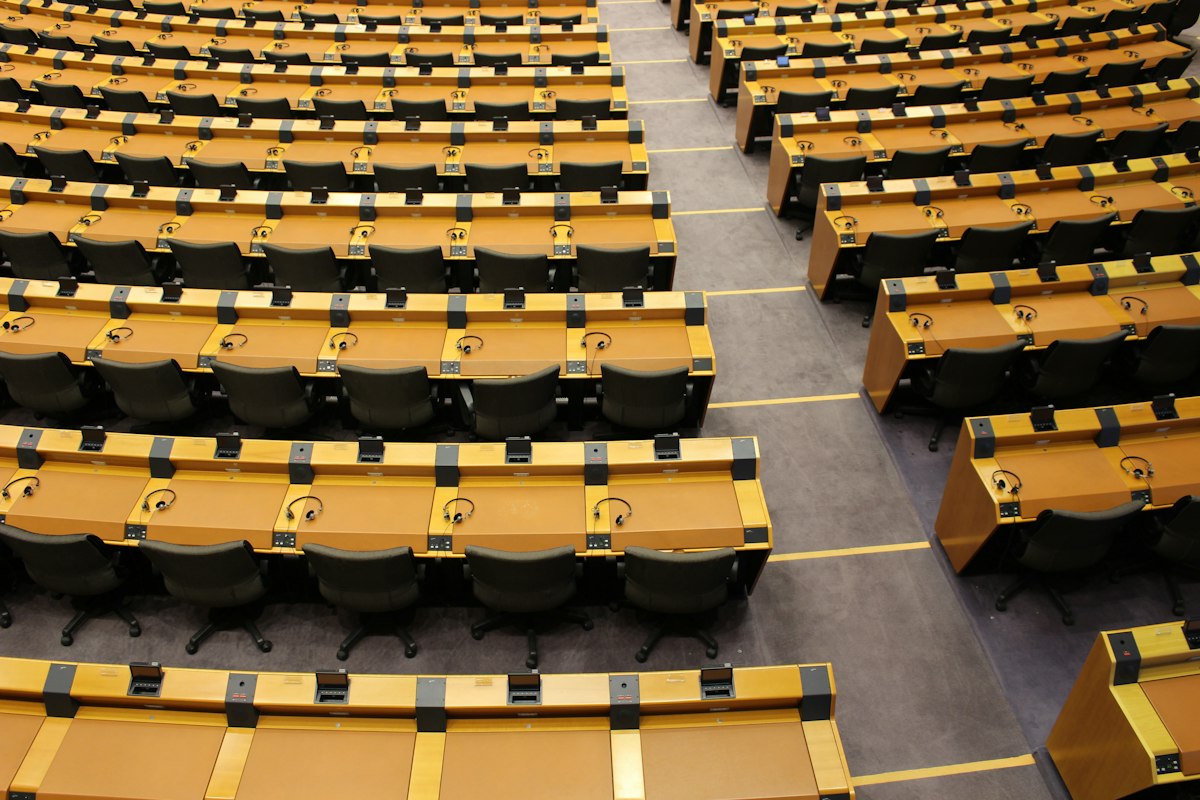
NATO civilian harm forum talks begin Thursday at the alliance's headquarters in Brussels, and for the first time since the group's founding, no American delegation will be in the room. The International Contact Group on Civilian Harm Mitigation and Response, known by the shorthand CHMR, was built in partnership with Washington. This week, the United States simply isn't listed among the participants.
The two-day summit opens with a broad discussion of how civilian harm mitigation applies across coalitions and at sea, drawing in advocacy groups and academics. Day two shifts to a closed-door session reserved for senior representatives of member states, wrapping with a panel on what comes next. Past attendees have included Austria, Australia, Belgium, Denmark, Finland, Germany and Norway.
What's missing matters more than what's on the agenda.
A Mission Built on Bloody Lessons
The Pentagon adopted the CHMR framework in 2022, three years after years of bloodshed in the post-9/11 "forever wars" had drawn international outrage. The model called for a specialized center to gather strike data and for advisers embedded with regional commands to help reduce risks to noncombatants.
Soon after, the United States teamed up with the Netherlands to coordinate the effort internationally. The pairing made sense. Both countries had fought side by side against the Islamic State group, and both were wrestling with high-profile civilian casualty incidents of their own. For Washington, the reckoning stretched back across Iraq and Afghanistan. For the Dutch, the wound was a 2015 operation in Iraq, where air strikes targeting a car-bomb factory ignited a nearby munitions depot. The resulting explosion killed at least 70 civilians and wounded hundreds. Dutch responsibility stayed hidden until 2019, triggering a national scandal and accusations of a cover-up.
By 2023, the two nations had formed a loose coalition on CHMR. Participants describe it as small and informal, a group that has met about half a dozen times to swap best practices and hear briefings on civilian casualty trends.
From 'Collateral Damage' to Command Priority
Advocacy groups say it took years to move the U.S. Military past thinking of civilian deaths as mere "collateral damage." The pitch to commanders was twofold: killing innocents offends their own moral code, and it damages the mission strategically. Once American defense officials adopted CHMR guidelines, their counterparts abroad gained cover to push similar programs at home.
"By the U.S. Putting itself out there and saying, 'We learned, we can do better,' it gives permission and makes it OK for other governments to similarly acknowledge, 'Yeah, we can do better too,'" said Jenny McAvoy, a former Defense Department official who helped shape the U.S. Civilian protection program.
That permission slip has now been torn up. Defense Secretary Pete Hegseth dismantled the civilian protection mission over the objections of the nation's top commanders. Staff levels plunged from nearly 200 to roughly two dozen. Hegseth has publicly derided rules of engagement as "woke."
An Empty Chair, and Consequences
Current and former officials, most of whom spoke on condition of anonymity for fear of retaliation from the Trump administration, describe the pullback in blunt terms. They call it "humiliating" and "dangerous," pointing to reports of rising civilian casualties in Iran following strikes on schools and homes.

Days before the Brussels summit, there was no sign anyone from the Defense Department would attend. Officials predicted either a no-show or, at most, a single delegate from one of the commands. The Pentagon declined to comment on the absence. A spokesperson previously said the department factors civilian protections into all phases of operational planning and "remains committed to fulfilling its civilian harm mitigation and response responsibilities."
The group American officials assumed would collapse without them didn't collapse at all.
"The U.S. Stopped participating in this group last year and people assumed that meant the group would die," McAvoy said. "But the group continued to exist and to meet, without the U.S., under the leadership of the U.K. And the Netherlands."
Who Steps Into the Void
London and The Hague now carry the coordination load. The arrangement is uneven. The U.K., for instance, has no formal framework for civilian harm mitigation and response, and advocates have spent years pressing the British Ministry of Defense to adopt policies resembling Washington's. A recent internal defense ministry report calls for formalizing a program in Britain, including systems to track civilian harm, investigate incidents, and offer amends and post-harm response. Advocates have seized on the Pentagon's rollback as an opening for Britain to lead.
The broader landscape is fragmented. NATO has its own civilian protection policy that predates the American model, though the alliance is now folding in elements of the U.S. Approach, said Andrew Hyde, who studies U.S.-European relations at the Stimson Center.
- Austria, Australia, Belgium, Denmark, Finland, Germany and Norway have all attended past sessions.
- Member nations vary widely in their CHMR approaches and needs.
- The U.K. Lacks a formal harm mitigation framework.
- The U.S. Program's staff fell from nearly 200 to about two dozen.
Hyde argues that international talks matter precisely because joint operations force militaries to reconcile different interpretations of harm mitigation. With Washington sidelined, NATO and European partners have to handle that coordination themselves. The shift could even protect the work from the whims of whichever administration occupies the White House, he said, potentially producing more durable reforms over time.
"NATO has continued to push forward without U.S. Support or participation, keeping up the momentum and ready for U.S. Re-engagement," Hyde said.
The Long Wait for Reengagement
Mae Thompson of the Ceasefire Centre for Civilian Rights called the American CHMR enterprise nascent and imperfect, but said the overall framework still offered a standard worth following. That standard now lives on without its principal architect at the table.
McAvoy framed the stakes as a question of timing. There will come a day, she said, when people who care about mitigating civilian harm return and ask whether the problem is ready to be solved.
"But there are already enormous consequences of abandoning this work," she said.
For now, the empty seat in Brussels says plenty. The NATO civilian harm forum keeps meeting. Its cofounder just stopped showing up.
Frequently Asked Questions
What is the NATO civilian harm forum and when does it meet in Brussels?
The NATO civilian harm forum is the International Contact Group on Civilian Harm Mitigation and Response, known by the shorthand CHMR. It began its two-day talks on Thursday at the alliance's headquarters in Brussels, opening with a broad discussion and shifting to a closed-door session on day two.
Why is the United States absent from the NATO civilian harm forum this year?
The article states that Defense Secretary Pete Hegseth dismantled the civilian protection mission over the objections of the nation's top commanders, with staff levels plunging from nearly 200 to roughly two dozen. Days before the Brussels summit, there was no sign anyone from the Defense Department would attend, and the United States simply isn't listed among the participants.
How did the CHMR framework originate and which countries first coordinated it internationally?
The Pentagon adopted the CHMR framework in 2022, three years after bloodshed in the post-9/11 "forever wars" had drawn international outrage. Soon after, the United States teamed up with the Netherlands to coordinate the effort internationally, and by 2023 the two nations had formed a loose coalition on CHMR.
Who now carries the coordination load for the group in the absence of the United States?
London and The Hague now carry the coordination load, with the group continuing to exist and meet under the leadership of the U.K. and the Netherlands. The arrangement is uneven, as the U.K. has no formal framework for civilian harm mitigation and response.
What consequences and reactions have followed the U.S. pullback from the NATO civilian harm forum?
Current and former officials, most speaking anonymously for fear of retaliation, call the pullback "humiliating" and "dangerous," pointing to reports of rising civilian casualties in Iran following strikes on schools and homes. McAvoy said there are already enormous consequences of abandoning this work, and that the group American officials assumed would collapse without them didn't collapse at all.

Valerie Dubois covers public policy and regulation, with a focus on how decisions made by governments affect technology and society. She follows the debates that shape the rules we all live by.
💬 Comments (0)
No comments yet. Be the first!