Is It Harder Than Ever to Be UK Prime Minister?
UK prime minister role: five PMs in seven years. BBC analysis asks if Britain is ungovernable, citing leadership failures and impatient voters.
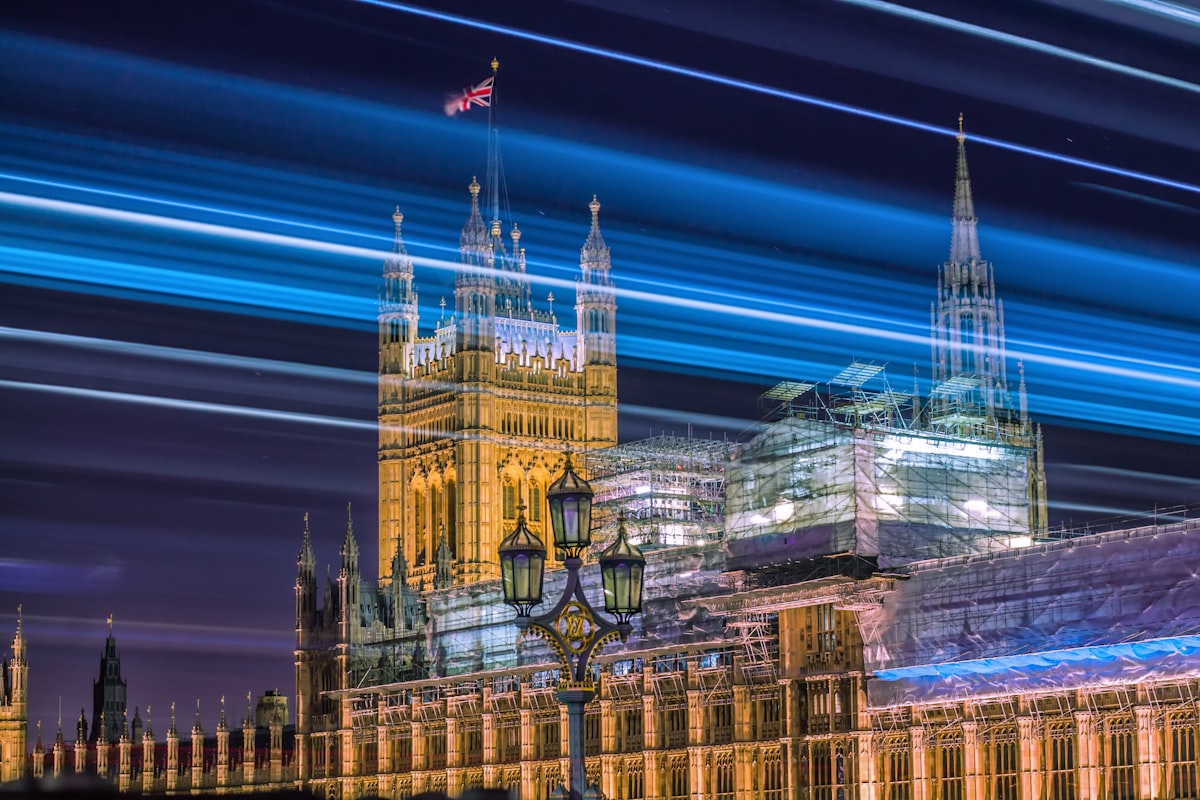
The UK prime minister's job has an expiration date shorter than a supermarket lettuce. We've had five prime ministers in seven years. None served a full parliament. Over the same period there have been seven foreign secretaries, six chancellors, and four cabinet secretaries, and these numbers tell a story of political chaos that many voters now accept as normal. But is Britain becoming ungovernable, or is this just a turbulent moment that will pass?
Five PMs in Seven Years
Britain isn't ungovernable. At a news conference this week, Sir Keir Starmer gave his answer, and Conservative leader Kemi Badenoch told the Commons the same. They've shown a taste for political regicide in recent years. But both must govern through a complex administrative, regulatory, and judicial framework that can make implementing policy hard, and both appeal to voters increasingly impatient for results and unwilling to accept that politics involves trade offs.
So which is it? It's either a particularly brutal chapter in British history or deep systemic rot, but the source's experts see a tangle of factors, none of which alone can explain the churn.
The Events Argument
One simple answer is that times are hard. The financial crash of 2008, the political chaos of Brexit, the economic body blow of Covid-19, the war in Ukraine and the resulting energy shock, and of course the systemic disruption of Donald Trump. These are not uniquely British problems. Incumbent governments across Europe have wobbled in the face of economic headwinds and impatient electorates. Yet the question remains: have UK leaders risen to meet them?
Are Leaders Getting Worse?
Hannah White has her doubts. She's the CEO of the Institute for Government think tank. She says the UK isn't ungovernable. But its political parties have handed the country a series of prime ministers lacking key leadership skills at a time of thick and fast crises and a number of trends making governing substantially harder. Professor Anand Menon agrees. He's the director of the UK in a Changing Europe think tank. "Our system provides substantial power to a government with a majority," he says. That this majority has not been deployed to drive through change to date is a failure of leadership rather than being indicative of a systematic trend towards ungovernability.
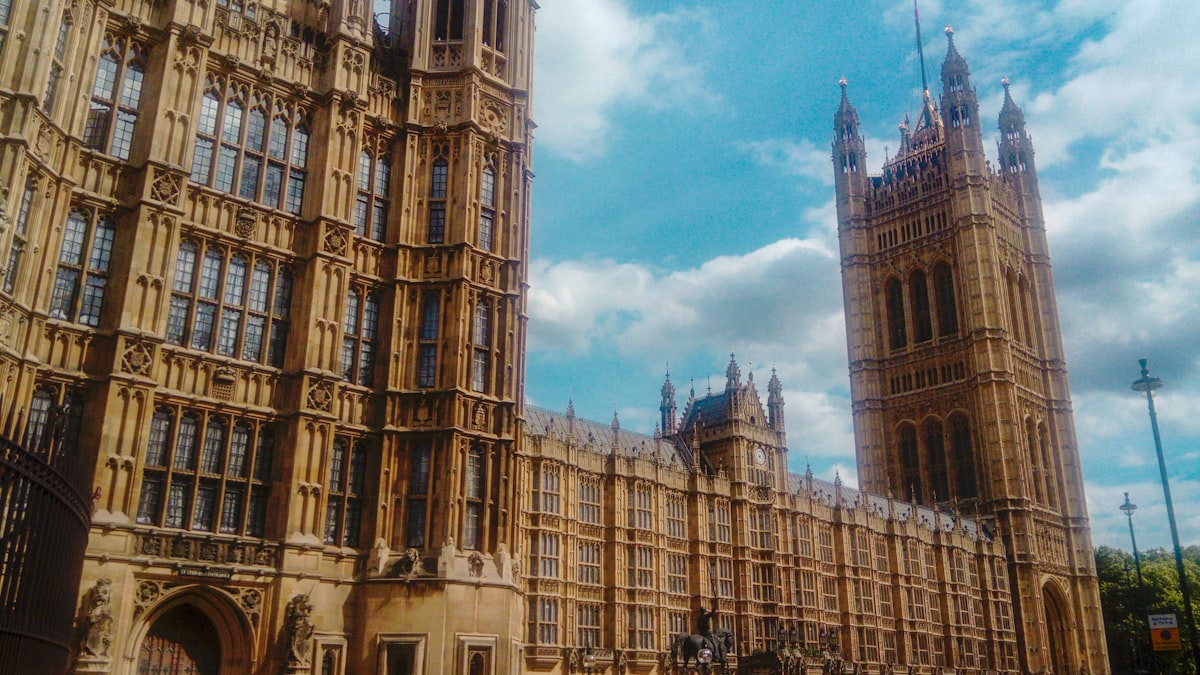
Historian Sir Anthony Seldon goes further. He argues some recent incumbents, including Boris Johnson, Liz Truss and Sir Keir, lacked the political abilities to do the job and the humility to get help. "They didn't have the skills and weren't willing to bring people in," Seldon says. "Past prime ministers had mentors. Even Margaret Thatcher had Willie Whitelaw." And this is where it gets interesting. The raw material arriving in No 10 may simply be thinner than it used to be.
Whitehall's Grit in the Machine
But if prime ministers arrive with less experience, some MPs aim fire at the civil service. It's a problem. Baroness Cavendish, former head of David Cameron's policy unit, told BBC Radio 4's PM programme that every government seems to come in and is astonished things are so difficult to do. Many Labour ministers have said to her they might actually agree with what Dominic Cummings said about parts of the civil service needing reform. So Sir Keir himself, before the Liaison Committee, complained even he struggled to pull levers because of a whole bunch of regulations, consultations and arm's length bodies.
Civil servants push back in private. Politicians are increasingly like children. One veteran of Whitehall's corridors told the BBC: "The contempt for the civil service, now amply reciprocated, has left the means by which politicians implement their policy frightened and wary." He added: "Agog and overawed at winning office and too frightened to do anything with it once they're there." But some officials and advisers say Downing Street is woefully ill-equipped and understaffed to run a modern government, yet successive governments centralise power even further into the building. Lord Hill, John Major's political secretary in the 1990s, said: "The centralisation of power in No 10 and the Cabinet Office, and the obsession with news management, has made the job of a minister far less relevant and powerful. It's a miracle that people are still prepared to go into politics and become ministers.
Social Media's Short-Termism
Now for the awkward part. Theo Bertram, former adviser to Tony Blair and Gordon Brown and now director of the Social Market Foundation, points to a structural problem: "All the things we need to do to fix the country, they are going to take 10 years. But if you are prime minister, you don't have 10 years. In the age of social media, what you have is a lot of short-termism." Steve Baker, former Tory MP and Brexit plotter, wrote that "whips and ministers arrive too late to a conversation that social media concluded an hour ago". The same mini power centres built around WhatsApp lists, he noted, are now organising inside Labour against their own leader.
Nick Bryant, former BBC colleague, believes the "drama addiction among both politicians and the political reporters who cover them… fuels the constant cycle of chaos and uncertainty that is becoming so democratically destabilising". The Brexit era normalised regicide. Conservative MPs got used to replacing leaders. One question the source forces is whether Labour MPs have absorbed that culture and now think it normal when historically it is not.
The Expectation Gap
But that framing misses something deeper. The nature of politics itself is changing. Smaller parties now challenge the Labour-Conservative duopoly. "
That points to a broader failure of political argument.
Voters, too, have become impatient. In an era of instant online deliveries, people want faster political results.
Hard Truths and a Way Out
The source offers no sugar-coated prescription.
Voters must accept hard trade-offs and give politicians time, political parties must face difficult truths and take voters with them, above all, competent leadership and prime ministers must survive long enough to implement their promises. And that's everyone's problem. Not just the mice.
The Real Takeaway
It's about persuasion, even seduction. But UK prime ministers have forgotten that this is an almost constant process of wooing voters, MPs and civil servants. When you strip away the events, the institutions and the social media chaos, the job of a prime minister is still to make an argument and win consent, and the cycle won't break until someone in No 10 rediscovers that lost art and a fractured public decides to listen.
Frequently Asked Questions
How many UK prime ministers have there been in seven years according to the article?
The article states there have been five UK prime ministers in seven years. It also notes that none served a full parliament over that period.
What major events does the article list as challenges that have made times hard for UK prime ministers?
The article cites the financial crash of 2008, the political chaos of Brexit, the economic body blow of Covid-19, the war in Ukraine and the resulting energy shock, and the systemic disruption of Donald Trump. It adds that these are not uniquely British problems.
According to the article, why might recent UK prime ministers lack necessary leadership skills?
Hannah White of the Institute for Government says political parties have handed the country a series of prime ministers lacking key leadership skills. Historian Sir Anthony Seldon argues some recent incumbents lacked political abilities and the humility to get help, noting that past prime ministers had mentors.
How does social media affect the job of a UK prime minister according to the article?
Theo Bertram points out that in the age of social media, there is a lot of short-termism because fixing the country takes ten years but a prime minister does not have ten years. Steve Baker added that social media concludes conversations an hour before ministers arrive, and mini power centers built around WhatsApp lists organise against leaders.
What does the article say is a key forgotten aspect of being UK prime minister?
The article says UK prime ministers have forgotten that the job involves an almost constant process of wooing voters, MPs, and civil servants. The real takeaway is that the job is to make an argument and win consent, and the cycle won't break until someone rediscovers that lost art.

Alexander Meyer reports on technology policy, privacy law and the growing role of regulation in the digital economy. He tracks how lawmakers respond to a fast-changing industry.
💬 Comments (0)
No comments yet. Be the first!