Wildfire Smoke Lung Effects: What You Need to Know
Wildfire smoke lung effects are a major health concern as Canada's wildfires push air quality to hazardous levels. Understand how fine particulate matter affects your respiratory system and the strategies to reduce exposure, including staying indoors and using N95 respirators, as recommended by health officials.
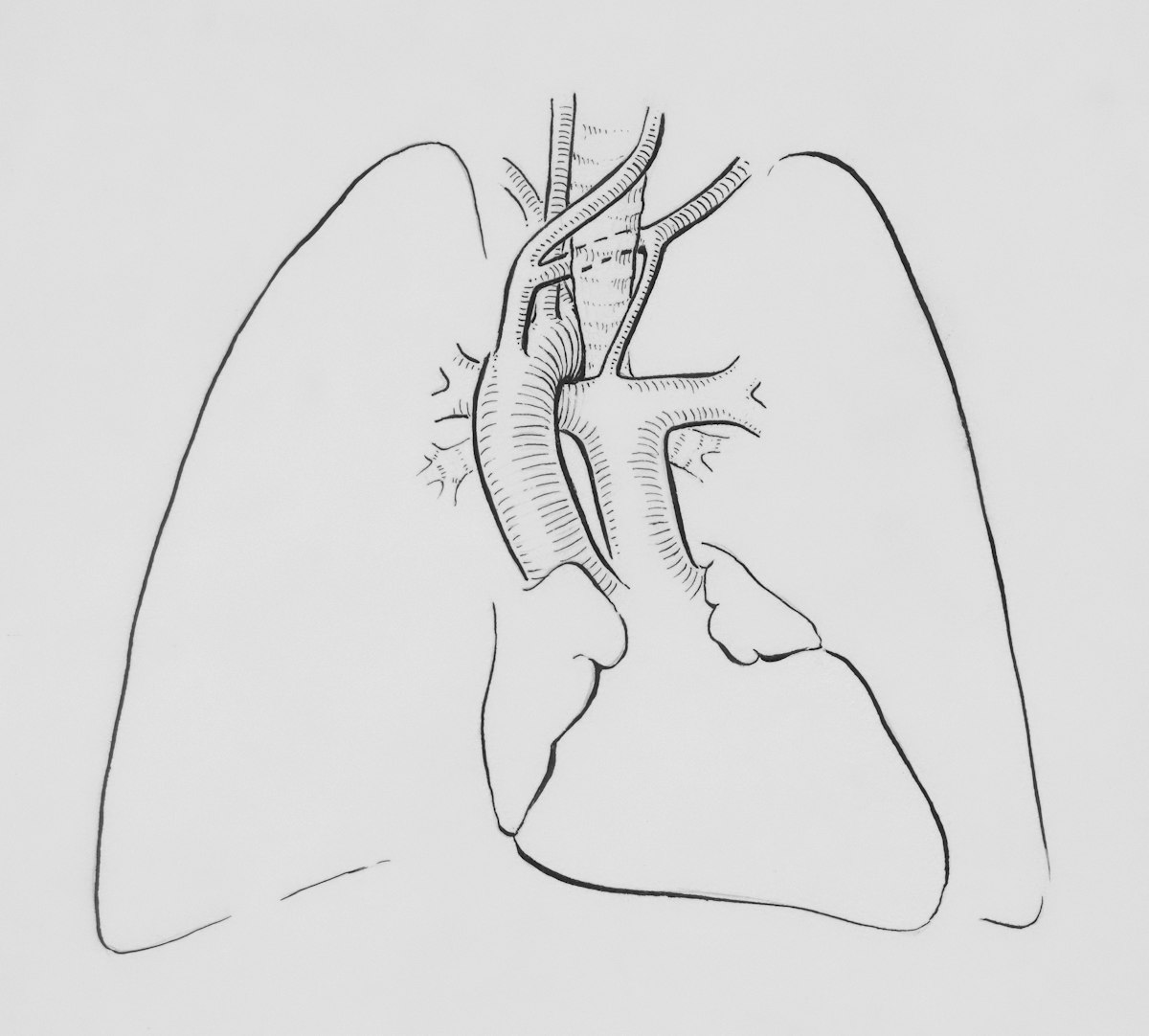
It's a pressing concern for millions across North America. Strong winds have carried the thick, noxious haze hundreds of miles, triggering widespread air quality alerts and prompting urgent health warnings about this pervasive threat that isn't confined to the immediate vicinity of active blazes. But dense plumes from Canada's ongoing fires continue to push air quality into hazardous territory.
The situation highlights a hidden public health problem. Invisible dangers travel long distances to affect daily life in ways we're only beginning to understand. Millions of people, far removed from the actual flames, are now contending with reduced visibility and air pollution levels deemed unhealthy or even hazardous. But there is a simple warning. Authorities are strongly advising individuals to limit their outdoor activities, particularly strenuous exercise, and to remain indoors as much as possible to mitigate the health risks.
The Invisible Threat: What's In Wildfire Smoke?
Wildfire smoke isn’t just a visible haze. It’s a dangerous cocktail of harmful substances mixed with gases, water vapor, and tiny particles that form when vegetation, buildings, and other materials ignite and burn. Among these, fine particulate matter called PM2.5 is the biggest threat to human health. But these tiny particles are small enough to bypass the body’s natural defenses, slip past nose hairs and mucous membranes, and infiltrate deep into the lungs.
These minuscule particles can even cross into the bloodstream. So they initiate an inflammatory response throughout the entire body. But this widespread inflammation can exacerbate existing health conditions and contribute to new ones, making the air quality crisis a systemic rather than merely a respiratory concern.
Immediate Respiratory Reactions
Breathing in wildfire smoke can trigger a range of immediate symptoms that often appear within minutes or hours of exposure. They're serious. These aren't just minor irritations; they signal that the respiratory system is actively struggling against the invasion of harmful particles. So what should you watch for? Common indicators of smoke inhalation include.
- Persistent coughing
- A noticeable sore throat
- Wheezing, indicative of constricted airways
- Shortness of breath, even with minimal exertion
- A feeling of tightness or pressure in the chest
- Burning or watery eyes
- Headaches
While many healthy individuals may find their symptoms improve once the air quality recovers, repeated exposure to these conditions over time could contribute to chronic inflammation and a measurable reduction in lung function, particularly for those with underlying respiratory issues.
Who Faces the Greatest Risk?
Certain populations can't afford to ignore wildfire smoke's lung effects. They're far more vulnerable to serious complications, especially those with pre-existing conditions or physiological traits that reduce their natural resilience to respiratory stress. So these higher-risk individuals include people with.
- Asthma
- Chronic obstructive pulmonary disease (COPD)
- Heart disease
- Children, due to their developing respiratory systems
- Older adults, whose immune systems may be less robust
- Pregnant women, as exposure can affect both mother and fetus
It’s a serious threat. Prolonged or repeated exposure can intensify chronic lung diseases, trigger severe asthma attacks, and significantly increase the risk of respiratory infections or cardiovascular events for these vulnerable groups. So this explains why public health officials are so vigilant in issuing warnings and providing guidance.
Far-Reaching Smoke and Alerts
Smoke plumes from this wildfire season are massive. Satellite imagery from NASA clearly shows them drifting eastward across vast parts of North America, so widespread that they have easily crossed state and international borders to affect millions of people. But the primary fires remain concentrated in parts of Canada. This geographical spread is a stark reminder that air quality is a shared, cross-border concern.

Local governments and public health agencies have responded by issuing high-level alerts, including "Code Purple" advisories in affected regions. These warnings aren't mere suggestions. They are critical directives designed to help people protect themselves before severe health problems arise, stressing the importance of limiting outdoor activities and encouraging people to stay indoors whenever possible.
The Cleveland Clinic points out that one of the greatest concerns is the exposure to fine particulate matter (PM2.5), precisely because it's small enough to bypass the body's natural defenses and travel deep into the lungs. That's frightening. But these particles may even enter the bloodstream in some cases, contributing to inflammation throughout the body and posing a serious yet invisible threat to our health.
Protecting Your Lungs During Smoke Events
Safeguarding against the dangers of inhaling wildfire smoke requires proactive measures. Health experts consistently recommend several practical strategies to reduce exposure and protect respiratory health:
- Stay indoors as much as possible when air quality is poor.
- Keep windows and doors tightly closed to prevent smoke intrusion.
- Utilize high-efficiency air filtration systems or portable HEPA air purifiers inside your home.
- Refrain from strenuous outdoor exercise during smoke events, as it increases inhalation rate.
- Wear a properly fitted N95 respirator if outdoor exposure is absolutely unavoidable.
- Diligently follow all local air quality alerts and any evacuation instructions issued by authorities.
The Centers for Disease Control and Prevention (CDC) emphasizes that repeated or prolonged exposure may worsen chronic lung disease, trigger asthma attacks, and increase the likelihood of respiratory infections or cardiovascular events. This advice shows that the risk builds up over time.
Treatment varies. Mild smoke inhalation symptoms often improve with cleaner air, hydration, and simply avoiding further smoke exposure , but serious cases may require medical intervention. So doctors might prescribe inhalers for asthma or COPD patients, provide supplemental oxygen, or deliver emergency care if it's hard to breathe.
Beyond the Flames: A Wider Public Health Reminder
The plumes drifting from Canada's wildfire crisis are a stark warning. They remind us that environmental hazards don't respect borders. Poor air quality isn't just a localized problem for communities near active fires, because weather patterns can transport harmful pollutants across entire regions and expose millions who may be hundreds of miles removed from the source. This shifts our perception of wildfire smoke lung effects.
These warnings aren't just suggestions. The unfolding events also highlight why public health officials meticulously monitor air quality and issue alerts like Code Purple, which are tools designed to help people reduce their exposure and prevent smoke inhalation from turning into serious health problems. They're especially important for those most at risk for respiratory illness.
The ongoing wildfires are a critical reminder for the public. Pay as much attention to local air quality reports as you would to daily weather forecasts. Integrating simple precautions into daily routines, like staying indoors during hazardous smoke events, using indoor air filtration, and wearing an N95 respirator when outdoor activities can't be avoided, significantly protects the lungs and reduces health risks from wildfire smoke. But maintaining good, breathable air quality remains one of the most effective strategies for safeguarding respiratory health as Canada's wildfire season continues, especially since smoke travels far beyond the fire zones. So we've got to stay vigilant.
Frequently Asked Questions
What is the primary health threat in wildfire smoke according to the article?
The primary health threat is fine particulate matter called PM2.5, which is small enough to bypass the body's natural defenses and infiltrate deep into the lungs, and can even enter the bloodstream, causing inflammation throughout the body.
Why does the article say wildfire smoke affects people far from the actual fires?
The article explains that smoke plumes from wildfires can travel hundreds of miles via strong winds, crossing state and international borders, so that millions of people far removed from the flames are exposed to hazardous air quality.
How can individuals protect their lungs during smoke events according to the article?
The article recommends staying indoors with windows and doors closed, using HEPA air purifiers, refraining from strenuous outdoor exercise, wearing an N95 respirator if outdoor exposure is unavoidable, and following local air quality alerts and evacuation instructions.
When do immediate respiratory reactions to wildfire smoke typically appear?
Immediate symptoms such as coughing, sore throat, wheezing, shortness of breath, chest tightness, and headaches can appear within minutes or hours of exposure to wildfire smoke.
Who faces the greatest risk from wildfire smoke lung effects according to the article?
The article identifies people with asthma, COPD, heart disease, children, older adults, and pregnant women as being more vulnerable to serious complications from wildfire smoke exposure.

Sarah Jenkins covers health and medicine, translating new research into clear, practical reporting. She focuses on the science behind everyday wellbeing and the developments changing modern care.
💬 Comments (0)
No comments yet. Be the first!