Topical ABT-263 Speeds Wound Healing in Aged Mice
Aged mice treated with topical ABT-263 healed faster: 80% fully healed by day 24 vs 56% untreated, according to a new study.
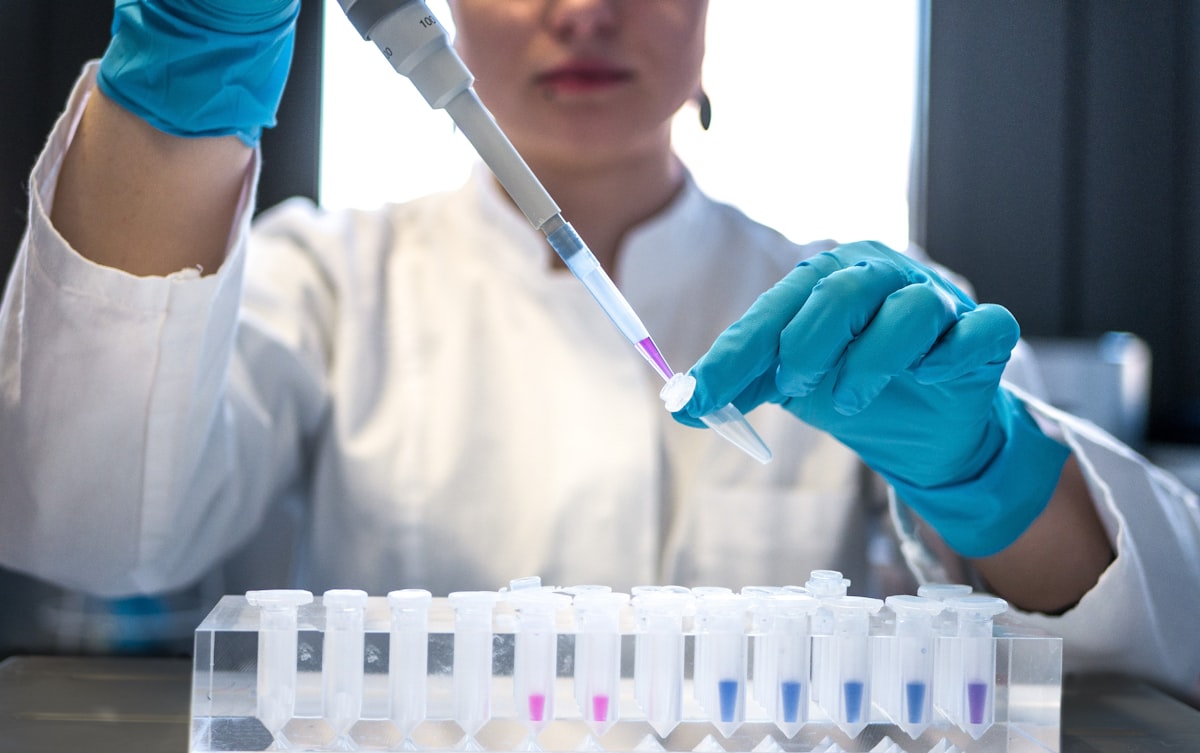
ABT-263, a drug designed to wipe out worn-out senescent cells, dramatically sped wound healing in aged mice when applied directly to the skin, according to research published in the journal Aging. The study, led by scientists from Boston University's Aram V. Chobanian and Edward Avedisian School of Medicine, showed that a five-day topical course helped older skin repair itself significantly faster, pointing toward a possible new strategy for preparing aging skin before surgery or injury.
The Zombie Cell Problem
As skin gets older, damaged cells start piling up instead of dying off. These lingering cells are called senescent cells, sometimes nicknamed zombie cells. They no longer function normally. But they are not completely inert either. They stay active enough to release inflammatory signals that weaken nearby tissue and sabotage the skin's ability to repair itself. Over years and decades, this cellular debris field grows thicker. Healing slows down. Recovery after surgery gets harder. Chronic wounds become a real threat.
The Boston University team wanted to know whether clearing out these zombie cells could reverse some of that decline. They turned to a senolytic drug called ABT-263. Senolytics are compounds that selectively destroy senescent cells while leaving healthy ones alone. The idea is elegant in its simplicity. Remove the bad actors and let the tissue function again.
What Happened in the Mouse Study
The researchers applied ABT-263 to the skin of aged mice for five days. After the course of treatment, the skin showed fewer signs of cellular aging. The real test came next. The team created small wounds and watched how the skin responded.
Healing by the Numbers
Day 24 made the difference plain. By that point, 80% of the mice treated with ABT-263 had fully healed wounds. Among untreated mice, only 56% reached full closure. That gap is not subtle. It represents a substantial boost in the speed and completeness of tissue repair in older animals.
Gene activity in the treated skin shifted in ways that aligned with wound repair. The researchers documented increased activity in areas tied to:
- Collagen production, which provides structural scaffolding for new tissue
- Blood vessel growth, essential for delivering oxygen and nutrients to the wound site
- Tissue remodeling, the process that strengthens and refines the healed area
- Other repair processes needed to close and reinforce damaged skin
The skin was not just closing wounds faster. It was mounting a more robust, coordinated healing response.
The Inflammation Surprise
And this is where it gets interesting. ABT-263 briefly increased inflammation in the skin. In most medical contexts, inflammation is the villain, something to be suppressed. Chronic inflammation drives disease and accelerates aging. But here, the short burst of inflammatory activity appeared to wake up repair pathways that had grown sluggish in the older tissue. The brief spike acted like an alarm bell, rousing the skin's healing machinery from its age-related torpor. Then the inflammation subsided, and repair proceeded at a pace the untreated skin could not match.
The researchers summarized their findings with measured optimism. Their paper stated:
Our study underscores the potential of topical senolytic treatments to enhance wound healing in aging skin, presenting a potentially promising strategy for preoperative care.
Why a Cream Beats a Pill
There is one detail worth pausing on. ABT-263 was applied topically, not given as an oral medication. That distinction matters a great deal. Oral senolytic drugs circulate through the entire body and can cause side effects because they act systemically. Applying the drug directly to the skin offers a far more focused approach, hitting the target tissue without flooding the whole system.

The selectivity went further. Topical ABT-263 reduced signs of senescence in aged mice, but it did not produce the same effect in young mice. That suggests the drug is most active where senescent cells have already accumulated, which is precisely where it is needed. Young tissue, still efficient at clearing its own damaged cells, saw little change. This targeted behavior makes the treatment especially appealing for older adults preparing for surgery or managing wounds that refuse to close.
What Stands Between Mice and Medicine
The findings are genuinely exciting. But there is a catch. This study was conducted in mice. The leap from mouse skin to human skin is substantial, and many promising animal results never survive the transition to clinical trials. Researchers still need to answer key questions about dosing, timing, long-term safety, and whether the benefits translate to human surgical recovery, diabetic wounds, or other slow-healing conditions.
The broader field is moving in the same direction, which lends weight to the idea. A 2025 review in Ageing Research Reviews described cellular senescence as a key contributor to skin aging and disease while noting that senolytics could become useful tools for targeting harmful senescent cells. A 2026 study took the concept further by developing a localized wound dressing carrying ABT-263 for diabetic wound healing, reporting reduced senescent cell burden and improved healing in diabetic mice with no detectable systemic toxicity.
The Caution Flag
At the same time, scientists are careful not to paint all senescent cells as purely harmful. A 2024 review in Frontiers in Immunology emphasized that senescence can play a helpful role during normal wound repair. The problem arises when senescent cells overstay their welcome, contributing to chronic wounds, fibrosis, and abnormal healing. The challenge is one of timing and precision:
- Remove the harmful lingering cells that block repair
- Preserve the useful early signals that jumpstart healing
- Apply the treatment only where senescent cells have built up, not to young healthy tissue
The research team included Maria Shvedova, Rex Jeya Rajkumar Samdavid Thanapaul, Joy Ha, Jannat Dhillon, Grace H. Shin, Jack Crouch, Adam C. Gower, Sami Gritli, and Daniel S. Roh. Their work, published with the DOI 10.18632/aging.206165, does not claim to have solved the puzzle. It claims to have shown that the puzzle is worth solving. For older adults facing surgery or living with wounds that will not heal, the prospect of a cream that clears out zombie cells and wakes up the skin's own repair systems is worth watching closely.

Hanna Schmidt writes about health, nutrition and wellbeing, separating evidence from the noise. She covers how lifestyle and science come together to shape long-term health.
💬 Comments (0)
No comments yet. Be the first!