How Bacteroides fragilis Toxin Triggers Colon Cancer
Researchers solved a 15-year mystery: how Bacteroides fragilis toxin triggers colon cancer. It binds to claudin-4, suggesting new therapies.
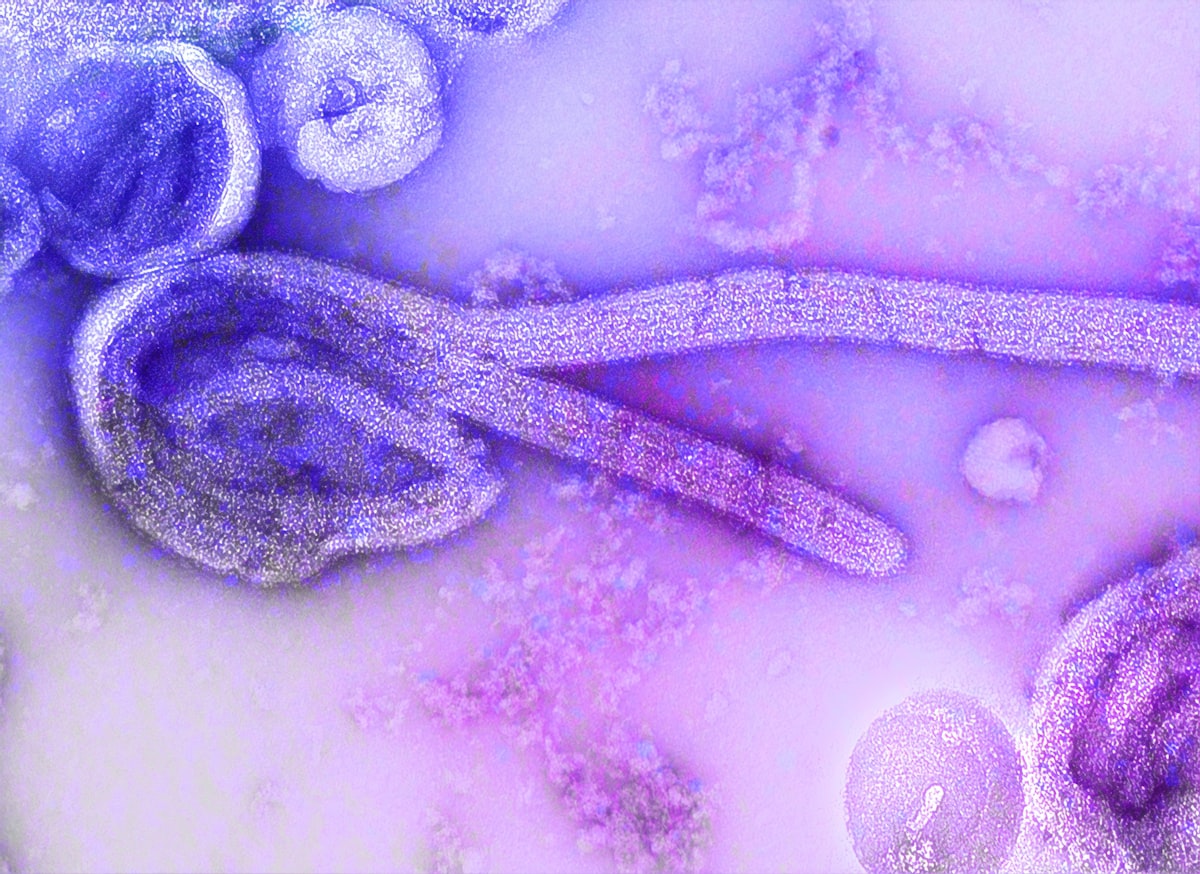
Bacteroides fragilis toxin has long puzzled scientists. For over fifteen years, researchers sought to understand how this potent agent from a common gut bacterium gains access to colon cells to initiate damage and promote tumor growth. But now, a multi-institutional team based at the Johns Hopkins Kimmel Cancer Center Bloomberg~Kimmel Institute for Cancer Immunotherapy and the Johns Hopkins University School of Medicine has finally solved this enduring mystery. Their breakthrough illuminates the toxin's initial destructive steps. And it offers a potential new avenue for blocking its harmful effects before they can contribute to colorectal cancer development.
Unraveling a Long-Standing Mystery
Bacteroides fragilis is surprisingly common. It's found in up to 20% of healthy individuals. But specific strains provoke inflammation within the colon and actively encourage the proliferation of tumors, as previous investigations from Dr. Cynthia Sears's lab have established that the toxin known as BFT is a key instigator of chronic inflammation by targeting and cutting E-cadherin, a protein that helps maintain the colon's protective barrier. So this earlier work also conclusively demonstrated that the toxin's activity directly drives the formation of colon tumors.
But these findings left a massive gap. Scientists saw that BFT did not directly bind to E-cadherin, so they realized there must be a hidden intermediary molecule,a secret "receptor",that first helped the toxin sneak into its cellular targets. Finding that elusive receptor became the research community's primary goal. It's a tough puzzle.
The Receptor Revelation
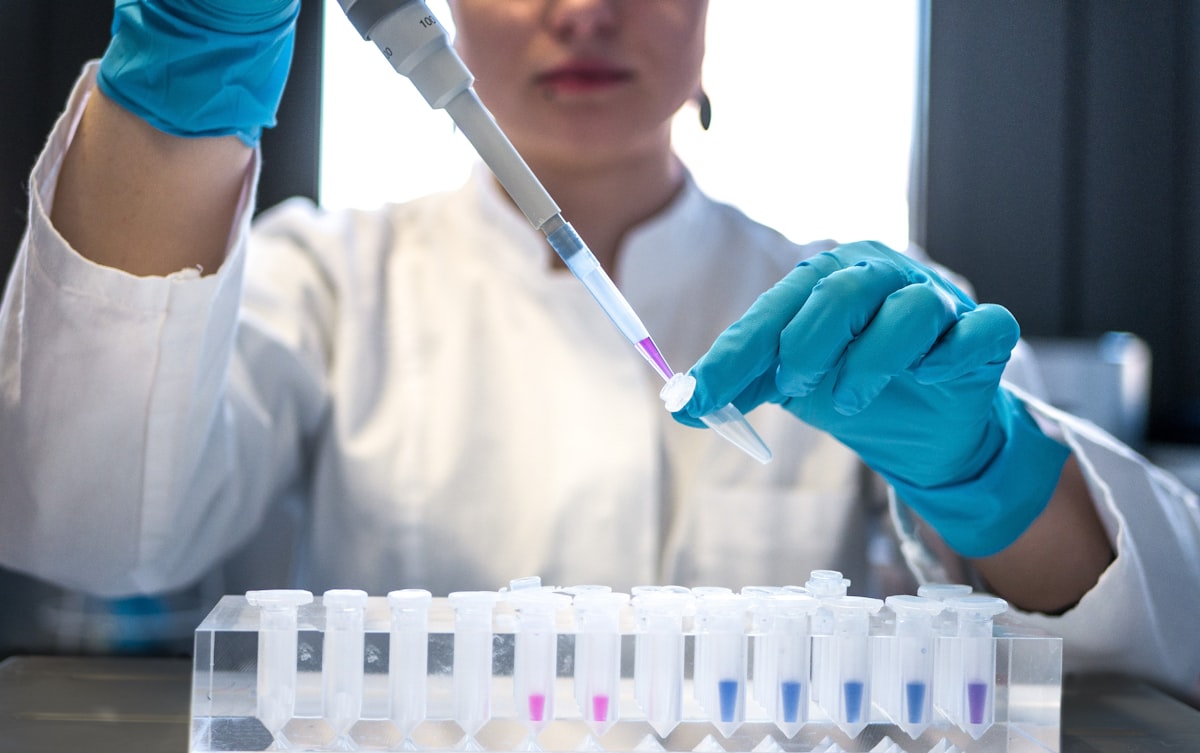
To pinpoint the missing link, Maxwell White, an M.D./Ph.D. candidate working in Dr. Sears' lab led a large genomewide CRISPR screening effort. This advanced technique involved systematically disabling individual genes within colon epithelial cells. The objective was to observe which genetic alterations prevented the toxin from functioning. This painstaking work, conducted in collaboration with Matthew Waldor's laboratory at Harvard Medical School, yielded a clear and immediate standout: a protein named claudin-4.
The results were unequivocal. When claudin-4 was removed from the cells, BFT lost its ability to attach, leaving E-cadherin unscathed. This discovery was a turning point for the team.
"We've made several attempts over time to identify the receptor, so this is an exciting moment," remarked senior author Cynthia Sears, M.D., Bloomberg~Kimmel Professor of Cancer Immunotherapy and professor of medicine at Johns Hopkins. "Understanding how bacterial toxins work can open doors to new approaches for detection and therapy for associated diseases, including diarrhea, colorectal cancer and bloodstream infections."
The revelation stunned them. Dr. Sears noted that the scientific community had largely anticipated a signaling protein, such as a G-coupled protein receptor, to be the culprit, but claudin-4 belongs to a completely different class of proteins. It's a surprise. A review of existing scientific literature didn't turn up any other known protease toxin that works the same way. Most such toxins directly bind to the molecules they attack, instead of first engaging a separate receptor. So they're breaking new ground here.
Verifying the Connection
To rigorously confirm this newly identified interaction, the Johns Hopkins team collaborated with structural biologists F. Xavier Gomis-Rüth and Ulrich Eckhard at the Molecular Biology Institute of Barcelona. White and the Barcelona group used sophisticated biophysical techniques. They showed that BFT and claudin-4 form a tightly bound, one-to-one complex in a lab setting. This gave the first direct physical evidence of the toxin attaching to its receptor before initiating damage to colon cells. But it's just the start.
But they needed to see if it worked in living systems. So the team turned to another collaboration , this time with Min Dong's laboratory at Harvard Medical School, where Kang Wang and their colleagues meticulously observed the toxin's behavior in mouse models. It reinforced the in vitro findings.
A Promising Protective Strategy
The research team has already built a promising therapeutic strategy from this insight. It's a molecular decoy designed to intercept BFT, essentially a soluble version of claudin-4 engineered to display the specific receptor portions the toxin normally recognizes. But the toxin can't tell the difference. So instead of binding to colon cells, BFT gets tricked into attaching to these decoy proteins, rendering it harmless and unable to cause the cellular damage it usually would.
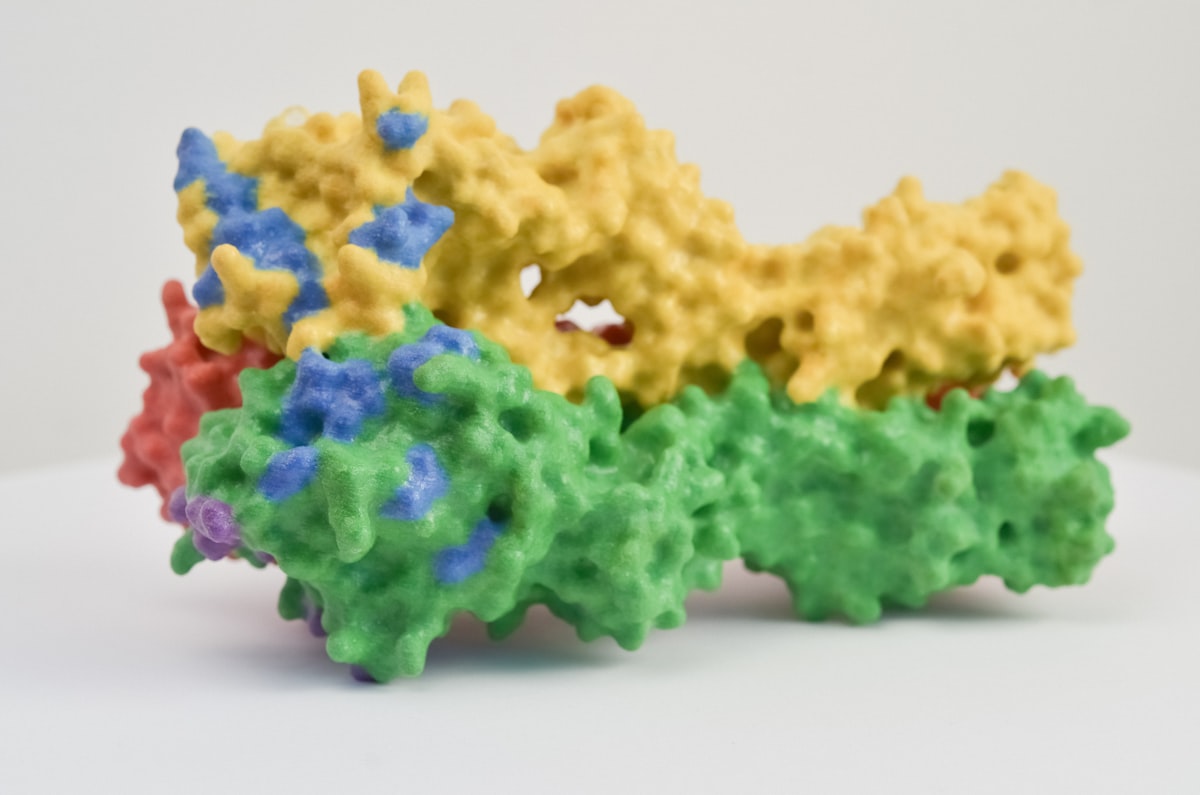
This approach worked in animal models, protecting mice from the colon damage usually caused by BFT.
"It took a while to get the assay working and validate the approach, but once we were able to do the screen, claudin-4 was a clear, resounding top hit," explained White. "That was an exciting moment." He further added, "This approach could be iterated upon with small molecules or other biologics that have better pharmacological properties."
This breakthrough opens doors for new interventions against the harmful effects of the Bacteroides fragilis toxin. But it's just the start. The researchers are now actively exploring various types of therapies that might be most effective at blocking the toxin's activity, potentially preventing inflammation and tumor growth in humans.
Challenges Still Ahead
Identifying claudin-4 as the receptor was a monumental step. So was demonstrating its tight binding to BFT. But one major challenge remains. We've yet to capture the precise experimental structure that shows exactly how the toxin and claudin-4 fit together, and current AI modeling tools like AlphaFold just can't fully resolve this intricate interaction yet.
The challenge remains. But the discovery of the Bacteroides fragilis toxin receptor now offers a clearer understanding of its role in colorectal cancer, opening exciting new avenues for targeted prevention and treatment strategies. This work received support from the Bloomberg~Kimmel Institute for Cancer Immunotherapy, Janssen Research and Development, Cancer Research UK, the National Institutes of Health, and the Howard Hughes Medical Institute, alongside other grants. Key contributors included Jason Chen, Shaoguang Wu, Abby L. Geis, Jessica Queen at Johns Hopkins, Hailong Zhang, Karthik Hullahalli, and Jie Zhang at Harvard Medical School, plus the Barcelona team. We haven't solved it all yet. The journey to fully understand and combat the harmful effects of this common gut bacterium continues.
Frequently Asked Questions
What is the newly discovered receptor for Bacteroides fragilis toxin?
The receptor is a protein called claudin-4. This was identified through a genomewide CRISPR screening effort led by Maxwell White and Dr. Cynthia Sears' lab.
Why was finding the receptor for Bacteroides fragilis toxin a challenge?
The toxin did not directly bind to its target E-cadherin, suggesting a hidden intermediary molecule. Additionally, claudin-4 was a surprise because it belongs to a different class of proteins than the signaling proteins scientists had expected.
How did researchers confirm that claudin-4 is the receptor for Bacteroides fragilis toxin?
They used biophysical techniques to show that BFT and claudin-4 form a tightly bound complex in the lab. They also observed the toxin's behavior in mouse models, which reinforced the in vitro findings.
What potential therapeutic strategy was developed based on this discovery?
A molecular decoy was designed—a soluble version of claudin-4 that intercepts BFT, preventing it from binding to colon cells. This approach protected mice from colon damage caused by the toxin.
Who led the research that identified the receptor for Bacteroides fragilis toxin?
The research was led by Maxwell White, an M.D./Ph.D. candidate, and senior author Cynthia Sears at Johns Hopkins. It involved collaborations with Harvard Medical School and the Molecular Biology Institute of Barcelona.

Sarah Jenkins covers health and medicine, translating new research into clear, practical reporting. She focuses on the science behind everyday wellbeing and the developments changing modern care.
💬 Comments (0)
No comments yet. Be the first!