Screentime Swaps: Break Doomscrolling, Keep Phone
Screentime swaps: replace doomscrolling with gaming, learning, connection. Not all screen time is equal—intention matters.
Screentime Swaps: Break Doomscrolling, Keep Phone
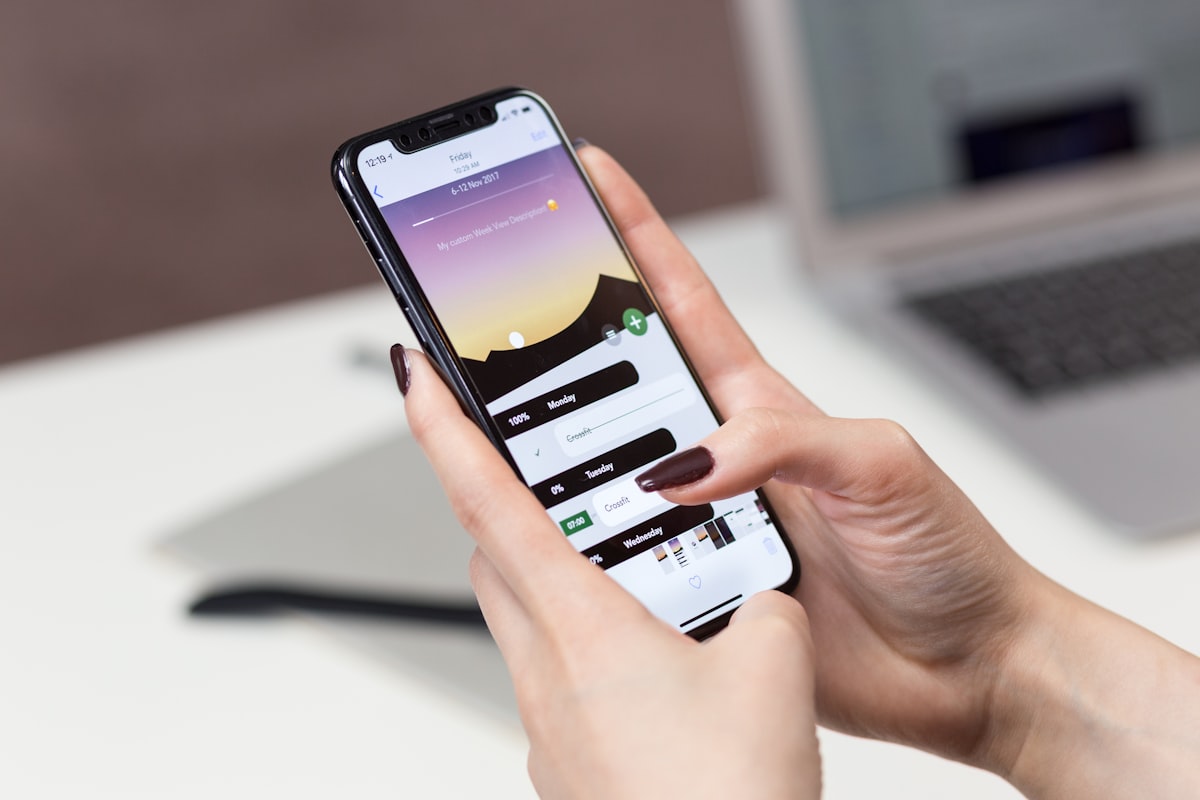
Time's just gone. You grab your phone to silence a notification; forty minutes later you look up, and you weren't doomscrolling news but just bouncing from Instagram to TikTok to a weather check you didn't need, empty calories.
Keza MacDonald is blunt. The Guardian's video games editor says it's very easy to pick up your phone and spend 40 minutes bouncing between apps doing nothing in particular; you're not looking for an experience; you're just filling time.
Intentionality is key. But the average UK adult now clocks 7.5 hours of screen time daily, and for desk jobs that figure's probably a lowball, while doom-and-gloom headlines miss that not all of it is junk. So don't assume those 7.5 daily hours are all harmful because intentionality's what matters.
Let me put it bluntly. Blaming the phone is like blaming the fridge for your appetite. The real question is what you're feeding your mind, and these screentime swaps are not about quitting your device but about turning it from a void-filler into a tool that actually serves you.
"Not all screen time is created equal." , Keza MacDonald, The Guardian
Your Digital Diet Is a Choice, Not a Sentence
Netta Weinstein, a psychology professor at the University of Reading, draws a clear line: harmonious use versus compulsive use. You watch a movie because you chose to relax? That supports wellbeing. You scroll because you can't stop? That chips away at it.
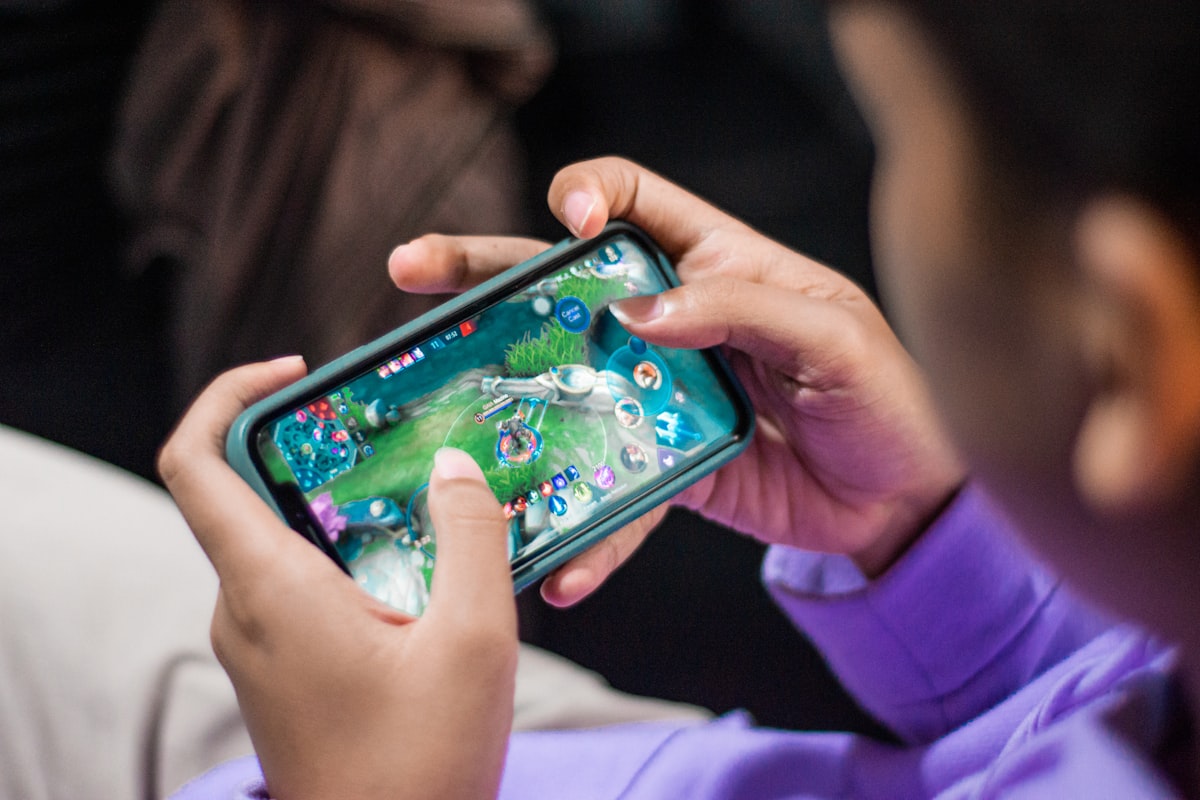
Gaming is no different. Research from Oxford psychologist Andrew Przybylski surveyed nearly 40,000 players and found that gaming itself didn't predict poor mental health but the reason you were playing did. So you wanted to play. You felt better. But the game's reward loops and notifications pulled you in against your will, and you felt worse.
The 40-Minute Scroll Is Not Your Fault
It's an evolutionary mismatch. Tanay Katiyar, a PhD student at the University of Cambridge, says our brains weren't built for algorithms designed to hijack attention, modern life is full of such mismatches, technology solves problems but introduces new ones.
But It Is Your Call
Here is the deal. You can reclaim control. The Guardian's guide to screentime swaps shows exactly how. It starts with asking one question each time you unlock your phone: Is this how I truly want to spend my time?
Five Screentime Swaps to Reclaim Your Focus
These swaps are simple. They don't require a digital detox or a flip phone, but they just require you to choose active engagement over passive consumption, so let me break it down the way a friend would.
Play Your Way to a Sharper Brain
Don't lump all gaming 'bad'. So research shows strategy and open-world games like Animal Crossing or Red Dead Redemption can boost problem-solving and even neuroplasticity, while multiplayer platforms like World of Warcraft build real friendships and community.
But don't be fooled. Some games employ the same slot-machine engagement mechanics as social media, so you've got to check in with yourself: are you playing because you truly want to, or because the game's yanking your chain?
Word Games Are Brain Gyms
Don't scroll TikTok. Wordle, Words With Friends, or Wordiply demand focus and build real skills, and research has linked frequent engagement with them to better memory, attention, and processing speed. But unlike a 15-second video loop, they're growing your cognitive reserve over time.
Here are the other three critical swaps you can make right now:
- Isolation for connection. Platforms like Reddit, WhatsApp, and Hinge help you find your tribe. For marginalized groups, digital communities offer a space to be truly understood. Almost half of British adults report loneliness, and finding community online can be a lifeline. The key is intention: are you connecting or looking for a fight?
- Consuming for creating. David Hockney, at 72, turned an iPad into his canvas. "People say it's just a gadget," he said, "but so is a paintbrush." You don't need to be a master. Apps like Canva, Soundtrap, or even just writing in Word trigger a flow state that reduces stress and boosts self-esteem. One study found children finger-painting on tablets produced more diverse marks than with traditional tools.
- Doomscrolling for learning. Screens let you master anything in short bursts. Duolingo turns a 20-minute bus ride into language progress. Platforms like Simply Piano or MasterClass use gamification and real-time feedback to keep you engaged. As neuroscientist Tamara Russell notes, gamification "can be particularly helpful for brains that are very hungry for dopamine, such as those with ADHD."
You feel you're driving again. So small screentime swaps like these can overhaul your mental clarity, and they now cause you to stop feeling like a victim of the algorithm, a victim you once were.
Screens aren't the enemy. The Guardian's reporting makes one thing undeniable: mindless use is, so start with one screentime swap and ask yourself what you want to get out of the next 20 minutes. So the answer might just change your whole day.

Hanna Schmidt writes about health, nutrition and wellbeing, separating evidence from the noise. She covers how lifestyle and science come together to shape long-term health.
💬 Comments (0)
No comments yet. Be the first!