School Sports Funding Cuts Are a Government Own Goal
School sports funding cuts face backlash after England slashes primary PE premium by £320m. Editorial calls it an 'unforced error'.
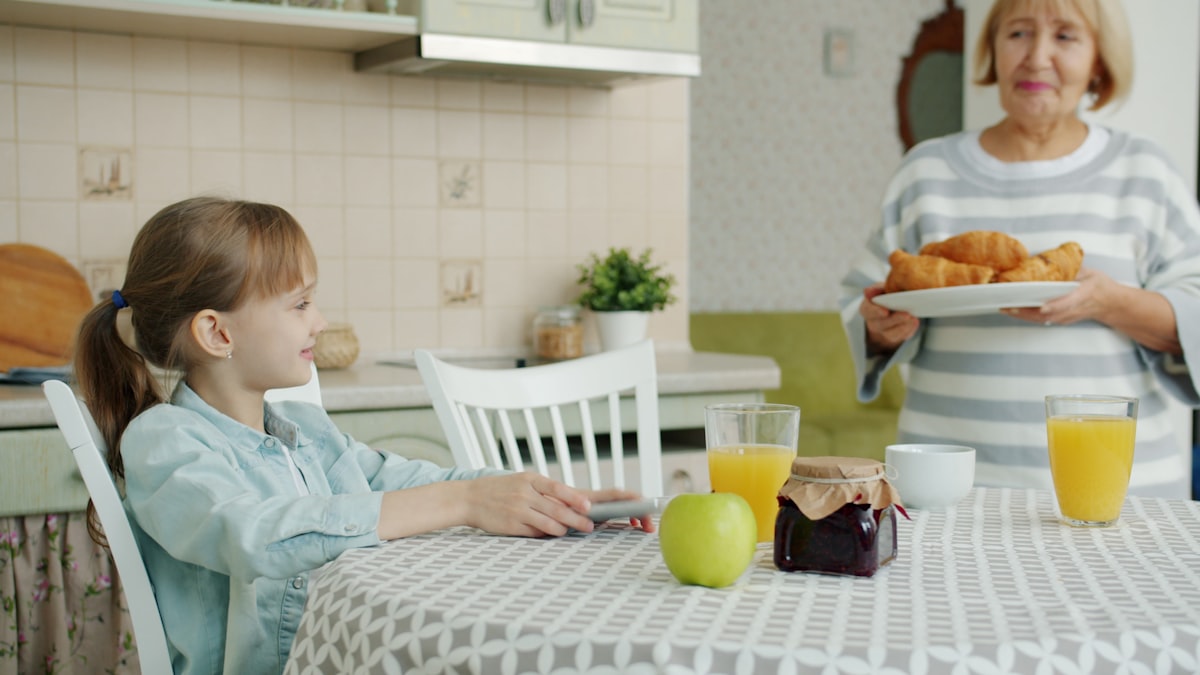
The cuts came last week, ill-timed. Just days before the government closed its consultation on children's social media use, that announcement buried in the news cycle revealed an annual £320m sports premium for primary schools in England is being scrapped. So a new scheme worth £193m replaces it, one that will stretch to cover secondary schools too and resurrect an older model where outside clubs and coaches play a bigger role. On paper, it's a restructuring. But in practice it's a substantial reduction in dedicated funding for our youngest pupils, and it's happening at a moment when the physical and mental health of children dominates public debate.
The £127m Hole Nobody Is Talking About
The arithmetic is blunt. It's a £127m shortfall. The old premium was £320m, ringfenced for primary schools, but the new pot is only £193m, shared across primary and secondary, which primary school leaders noticed immediately and they're unhappy about the haste. The government frames it as an efficiency, a way to resurrect partnerships with community sports organisations. But that framing misses something. Primary school headteachers are now being asked to do more with less, again, while the country wrings its hands over screen addiction and childhood obesity.
Sport England supports this. It's unsurprising since their role will grow under the new model, and there are clear advantages for older pupils who don't already participate in a busy round of extracurricular activities. Doors can open. The chance to make links with outside teams or clubs could offer opportunities that school-only provision simply can't. But the trade-off, the reduction in dedicated primary funding, seems wrong-headed.
A Government at War With Itself
It's a farce. Earlier this year, the Department of Health and Social Care rowed with Bridget Phillipson's team over proposals to axe its £60m yearly contribution to PE funding, but athletes including Mo Farah protested, reversed that cut. But months later, a different cut arrives through a different door. Bridget Phillipson has her hands full with special educational needs reform, not to mention her other job overseeing equality law. The sports minister, Steph Peacock, sits in the Department for Culture, Media and Sport, an outfit far more comfortable promoting civil society groups than wrangling with school budgets. Nobody seems to own it. Nobody's fighting for the children caught in the middle.
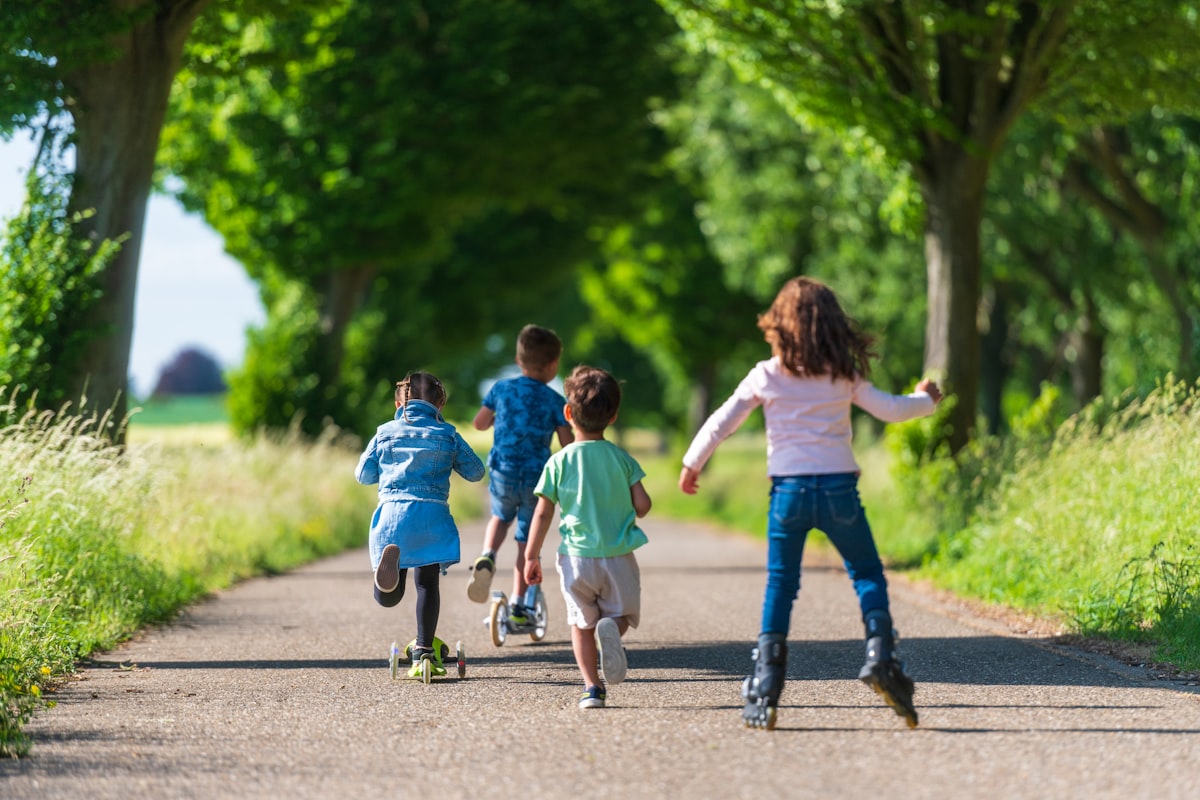
Cutting funding amid mounting efforts to get children away from screens is a government own goal.
The Obesity Crisis They Cannot Ignore
Childhood obesity is viewed by experts as one of the biggest public health challenges facing the country, and it's the settled view of experts that this is not hyperbole. New guidance was unexpectedly strong. It recommends children under two use no screens except for joint activities with adults. Meanwhile, concerns about screen use's mental and physical impacts are sky-high. So further restrictions on what older children can do online are expected soon. A complete ban on under-16s using social media following similar legislation in Australia is one option, and tighter regulation of personalised algorithms and limits on infinite scroll and autoplay are also being considered.
So the government is simultaneously telling parents to get their children off screens and cutting the funding that helps schools provide the alternative. That is not joined-up policy. It is a contradiction dressed up as a spreadsheet exercise.
What the Curriculum Review Actually Said
Last year's curriculum review recommended only modest changes to PE teaching. It wasn't an overhaul. It followed a philosophy of avoiding upheaval and heavier workloads. It called for inclusive sport. The review noted that the number of activities covered can mean pupils gain mastery in none, with hockey one week and basketball the next. But it highlighted a key point: the role of PE in promoting wellbeing as well as competition. That point about PE's role in wellbeing and competition has never been more acute, given the concern over young people's mental health and a rise in conditions like anxiety that's reaching new heights.
Who Pays the Price?
An upcoming report from Alan Milburn about the 1 million 16- to 24-year-olds who are neither in jobs nor education will demand a reset and criticise the amount of time they spend alone in their rooms. It's impossible to miss. Children who grow up without physical activity, without team sports, without the habit of moving their bodies don't suddenly become active adults, and the pipeline from primary PE to lifelong health is well established. But shorten it, and the consequences show up years later in GP waiting rooms and mental health referrals.
He understands the stakes. But athletics, netball, and dance aren't for everyone, yet physical activity's benefits are universal, and Mo Farah didn't protest the earlier £60m cut for a photo opportunity but for what's at stake. School sports funding cuts don't just reduce a line item. They shrink the horizon of what a child believes their body can do, and that's the whole point.
An Own Goal in Slow Motion
The government isn't blind to the risks of a sedentary generation. The consultation on social media, the screen guidance for toddlers, and the algorithmic regulation all signal awareness. But cuts proceed anyway. Ministers should stop squabbling and get a grip on school sports, while departments need to talk to each other, and someone in government needs to grab hold of this issue and refuse to let go. Because right now, the left hand is building a case against screens while the right hand is draining the budget for the one school subject that gets children off them.
- Annual primary sports premium cut from £320m to a shared £193m pot
- New scheme covers secondary schools but leaves primary heads scrambling
- Earlier £60m DHSC cut reversed after athlete protests, including Mo Farah
- Upcoming Milburn report expected to criticise young people's isolation and inactivity
The contradiction sits at the heart of the policy. And the children who will feel it most are the ones who already have the fewest opportunities outside school. That is not a restructuring. That is a retreat. And retreating on children's health while lecturing parents about screen time is not just bad politics. It is bad government.
Frequently Asked Questions
What are school sports funding cuts?
They are reductions in government financial support for physical education and athletic programs in schools.
Why are school sports funding cuts considered a 'government own goal'?
Because cutting funding harms children's health, academic performance, and social development, ultimately costing society more.
How do funding cuts affect students?
They reduce access to sports, leading to lower fitness levels, increased obesity, and fewer opportunities for teamwork and leadership.
What are the long-term consequences of these cuts?
They can increase healthcare costs due to poorer health and reduce the pool of future athletes for national teams.
What can be done to reverse school sports funding cuts?
Advocacy, community fundraising, and lobbying policymakers to prioritize sports as essential to education.

Sarah Jenkins covers health and medicine, translating new research into clear, practical reporting. She focuses on the science behind everyday wellbeing and the developments changing modern care.
💬 Comments (0)
No comments yet. Be the first!