Federal Agencies Halted Post-Wildfire Soil Testing, Leaving LA Families on Toxic Ground
Post-wildfire soil testing was halted after LA fires, leaving families rebuilding on toxic soil without verification.
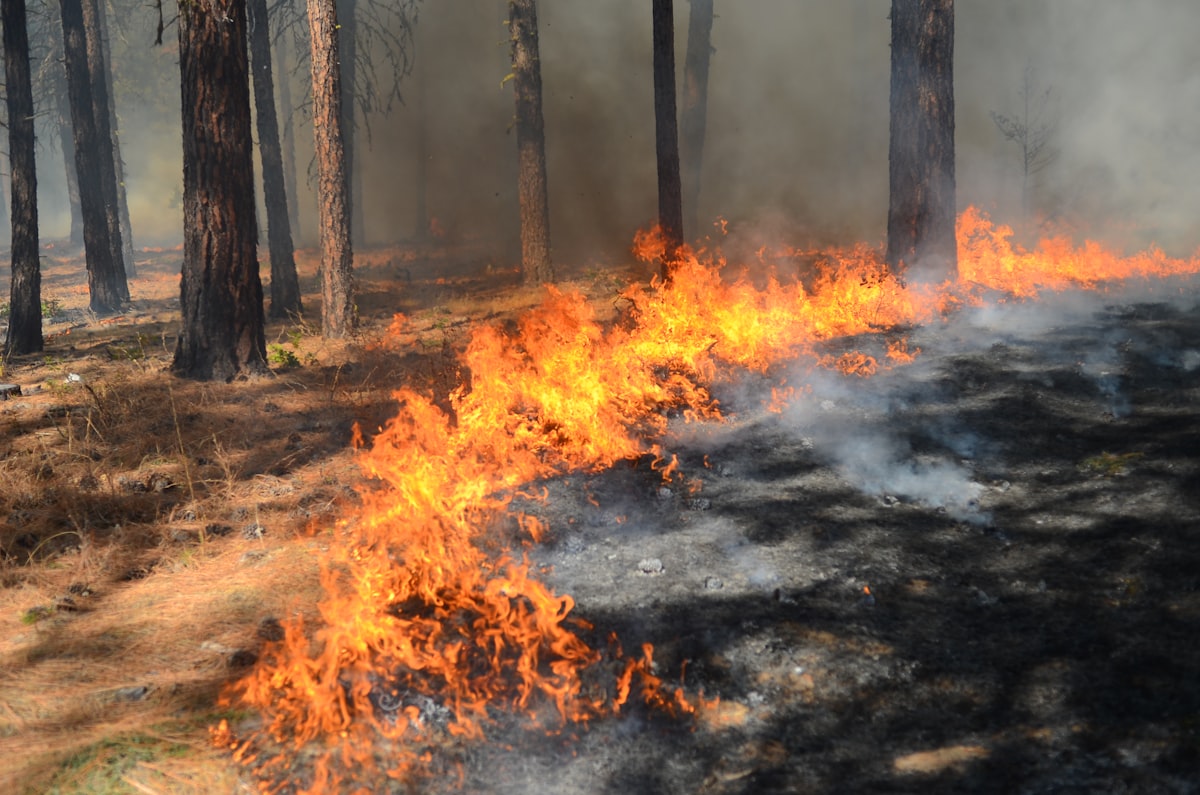
Post-wildfire soil testing has been halted across Los Angeles County's burn zones, leaving families to rebuild on ground that may harbor dangerous levels of lead, arsenic, benzene, and PFAS. The decision was made jointly by the U.S. Army Corps of Engineers and FEMA. It affects more than 13,500 properties. And it breaks with cleanup protocol established after every major California wildfire since 2018.
What Burns When a Modern House Catches Fire
A 21st-century home does not burn clean. It never did. But today's houses contain a chemical inventory that turns catastrophic fire into a toxic event. Lead vapor from paint, electronics, and plumbing fixtures settles into soil and ash. Arsenic, used for decades as a wood preservative, concentrates in burned debris. Benzene and polycyclic aromatic hydrocarbons, both known carcinogens, are produced by the combustion of plastics, synthetic fabrics, and treated lumber. PFAS chemicals from non-stick cookware, stain-resistant upholstery, and firefighting foam persist indefinitely in soil and groundwater.
The Palisades and Eaton fires burned more than 16,000 structures in January 2025. They burned vehicles. Garages filled with chemicals. Solar panel arrays containing lead and cadmium. Commercial buildings. Each category of material contributed its own suite of toxic combustion products. Winds gusting above 70 miles per hour dispersed ash and particulates across a massive geographic area, potentially contaminating properties miles from the fire perimeter.
Here is what those structures leave behind in the soil:
- Lead from paint, electronics, batteries, and plumbing fixtures
- Arsenic from wood preservatives used in older structures
- Benzene and PAHs produced by burning plastics and synthetic fabrics
- PFAS from non-stick cookware, stain-resistant upholstery, and firefighting foam
- Cadmium from solar panel arrays and electronic components
The Numbers That Independent Testing Found
The Los Angeles Times commissioned independent soil testing after federal agencies declined to mandate it. The results were unsettling. Lead levels in fire-affected soil exceeded California's residential safety threshold of 80 parts per million in multiple locations. Researchers publishing in the Journal of Exposure Science & Environmental Epidemiology have since urged the state to reduce that threshold to 55 parts per million. Their argument is stark: children can be harmed at soil lead concentrations below the current California standard.
A Decision That Defied Precedent
Here is the part the press release skipped. After the 2018 Camp Fire destroyed the town of Paradise, post-removal soil testing found dangerous levels of contaminants remaining in properties where topsoil had already been removed. That experience informed a clear precedent: test the soil after cleanup. Confirm it is safe. For the Los Angeles fires, that precedent was explicitly abandoned.
The Army Corps and FEMA agreed to remove hazardous ash and up to six inches of topsoil from destroyed properties. They decided not to perform post-remediation confirmatory soil testing. The rationale offered was that removing six inches of topsoil is sufficient to eliminate hazardous pollution. But that framing misses something important. Research published in the wildfire study indexed by PMC explains that wildfires create unpredictable contamination hotspots at varying soil depths. Ash and debris disturbed during cleanup operations can migrate contaminants deeper into the soil profile. Testing only the surface layer after removal does not capture contamination that may have already moved beyond the removal depth.
"FEMA's refusal to test for toxins in the soil after wildfire cleanup in Los Angeles County is unacceptable. Families deserve to know their homes are safe and free of dangerous chemicals. This is a break from decades of FEMA precedent, and it risks exposing entire communities to long-term health threats." , California Assemblymember Laura Friedman
Why Six Inches Is Not a Reliable Standard
The idea that uniform topsoil removal guarantees safety conflicts with the messy reality of wildfire contamination. Burned structures create localized concentration zones. Cleanup equipment itself can mix contaminated surface material into lower soil layers. Without post-wildfire soil testing, none of these variables are accounted for. The homeowner simply does not know.
Two Very Different Communities, One Shared Exposure
Altadena, one of the hardest-hit communities in the Eaton Fire burn zone, is a historically Black middle-class neighborhood with deep roots in Los Angeles County. Pacific Palisades, destroyed by the Palisades Fire, is among the wealthiest communities in Los Angeles. The absence of post-wildfire soil testing affected both. This is not simply an environmental justice story about race and income. It is a systemic failure that crosses demographic lines.
Children who play in contaminated soil face the highest risk of lead exposure through hand-to-mouth contact, dust inhalation, and vegetables grown in contaminated ground. Pregnant women risk lead mobilization from their own bone stores if they ingest lead-contaminated dust or produce. The long-term consequences of lead exposure are irreversible. Cognitive impairment. Behavioral problems. Cardiovascular disease. There is no treatment that reverses lead-induced neurological damage in a developing child.
What Residents Must Do on Their Own
Given the absence of federal confirmation that post-wildfire soil testing has been completed, LA County residents returning to or rebuilding on fire-affected properties should take specific precautions. The burden has shifted to individuals. Here is what experts recommend:
- Request independent soil testing before beginning any construction, landscaping, or gardening. The LA County Department of Public Health and academic research groups are providing testing or connecting homeowners with testing resources.
- Do not let children play directly in bare soil on or near fire-damaged properties until testing results confirm it is safe. This includes properties that survived the fire. Wind-driven ash may have deposited contaminants on intact parcels far from the fire perimeter.
- Do not plant food gardens in fire-affected soil without testing. Lead and arsenic can be absorbed by root vegetables and leafy greens.
The Gamble No One Discussed
When federal agencies decide not to perform post-wildfire soil testing after a cleanup, they are not eliminating the contamination risk. They are transferring it from a traceable government responsibility to an invisible private burden. Individual families bear that burden. Many do not know the risk exists. Many cannot afford independent testing. Some are simply trusting that if rebuilding is being permitted, the ground beneath must be safe.
That trust is not warranted without the testing that would verify it. The Los Angeles fires of January 2025 were among the most destructive in California history. The rebuilding effort is being described as the largest in the state's history. Allowing that rebuilding to proceed on soil that has not been adequately tested, in defiance of precedent established after every major previous California fire, is a public health gamble being played with the health of tens of thousands of residents. California lawmakers, public health researchers, and affected communities are right to demand better. They should not have to.
Frequently Asked Questions
What decision did federal agencies make regarding post-wildfire soil testing in Los Angeles County?
The U.S. Army Corps of Engineers and FEMA jointly decided to halt post-wildfire soil testing across Los Angeles County's burn zones, affecting more than 13,500 properties. They agreed to remove hazardous ash and up to six inches of topsoil but chose not to perform post-remediation confirmatory soil testing, breaking with cleanup protocol established after every major California wildfire since 2018.
Why did the article state that removing six inches of topsoil is not a reliable standard for ensuring safety?
Research published in a wildfire study explains that wildfires create unpredictable contamination hotspots at varying soil depths, and cleanup operations can migrate contaminants deeper into the soil profile. Testing only the surface layer after removal does not capture contamination that may have already moved beyond the removal depth, making uniform topsoil removal an unreliable guarantee of safety.
What did independent soil testing commissioned by the Los Angeles Times find?
The Los Angeles Times commissioned independent soil testing after federal agencies declined to mandate it, and the results showed lead levels in fire-affected soil exceeding California's residential safety threshold of 80 parts per million in multiple locations. Researchers have since urged the state to reduce that threshold to 55 parts per million, arguing that children can be harmed at soil lead concentrations below the current California standard.
Who are the two communities mentioned in the article that were affected by the lack of post-wildfire soil testing?
The article mentions Altadena, a historically Black middle-class neighborhood in the Eaton Fire burn zone, and Pacific Palisades, one of the wealthiest communities in Los Angeles destroyed by the Palisades Fire. It states that the absence of post-wildfire soil testing affected both, describing it as a systemic failure that crosses demographic lines.
What specific precautions does the article recommend for residents returning to fire-affected properties?
The article recommends requesting independent soil testing before any construction, landscaping, or gardening, and not letting children play directly in bare soil on or near fire-damaged properties until testing confirms it is safe. It also advises against planting food gardens in fire-affected soil without testing, as lead and arsenic can be absorbed by root vegetables and leafy greens.

Sarah Jenkins covers health and medicine, translating new research into clear, practical reporting. She focuses on the science behind everyday wellbeing and the developments changing modern care.
💬 Comments (0)
No comments yet. Be the first!