Plant-Based Dietary Strategies Cut Hypertension Risk
Plant-based dietary strategies get a boost from a BMJ meta-analysis linking legumes and soy to 30% lower hypertension risk.

Plant-based dietary strategies received a considerable evidentiary boost with the publication of a large meta-analysis in BMJ Nutrition Prevention & Health, and the timing could not be more pointed. The analysis, which pooled data from 12 long-term observational studies spanning the United States, Europe, and Asia, found that higher intake of legumes and soy foods was associated with a meaningfully lower likelihood of developing hypertension. People with the highest legume intake were 16 percent less likely to develop high blood pressure compared with those eating the lowest amounts. For soy foods, the reduction in risk reached 19 percent. The dose-response curve told an even sharper story, with risk reductions climbing toward 30 percent at specific intake thresholds. For an industry still organized around treatment rather than prevention, the numbers demand a second look.
A Dose That Changes the Calculus
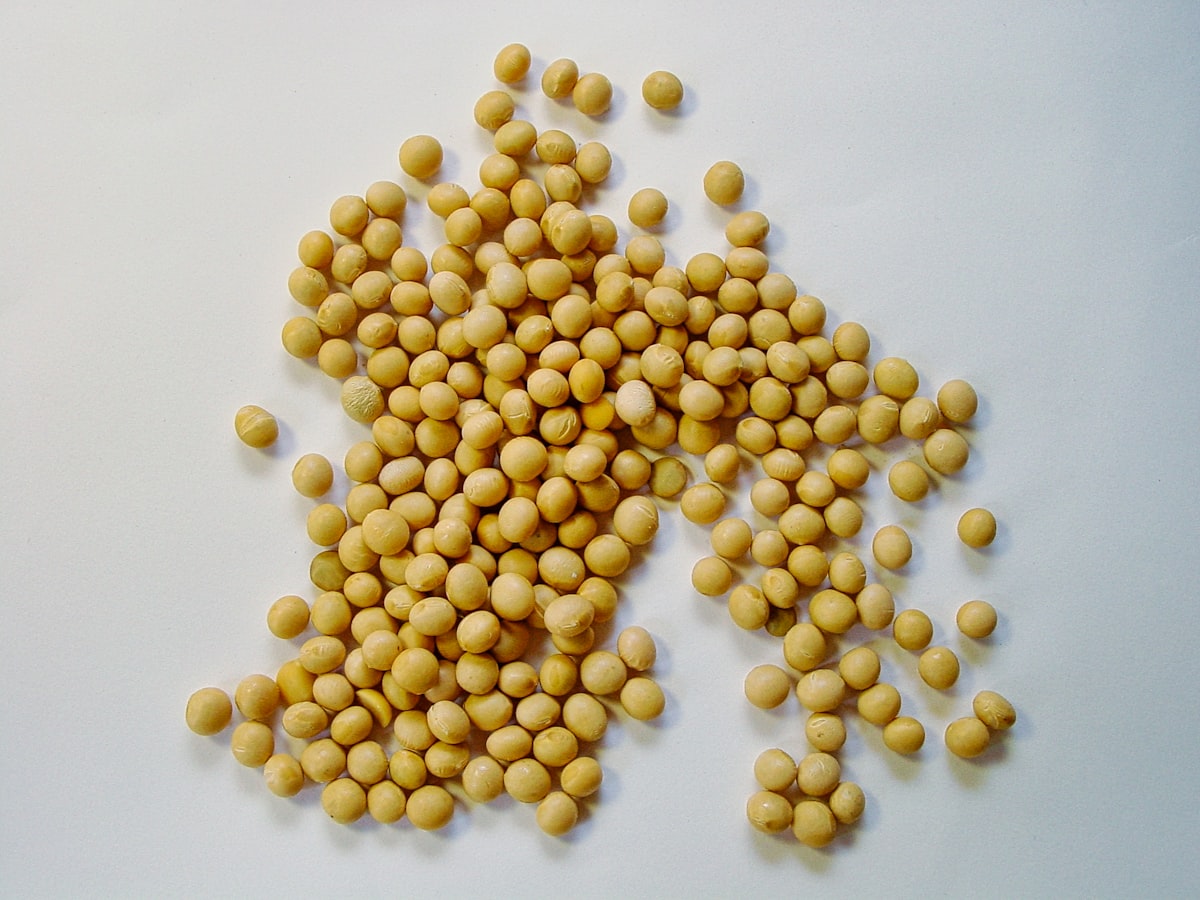
170 grams of legumes per day. That is the intake level at which the risk reduction for hypertension plateaued around 30 percent in the pooled analysis. For soy foods, the sweet spot landed between 60 and 80 grams daily, delivering a risk reduction of roughly 28 to 29 percent. Beyond that, additional soy intake did not appear to confer further benefit. The researchers translated these figures into something tangible: 100 grams equates to roughly one cup or five to six tablespoons of cooked beans, peas, lentils, chickpeas, or soybeans, or about a palm-sized serving of tofu. These are not exotic quantities. They are modest, achievable, and they sit well within the range of what dietary guidelines already recommend for cardiovascular health. The study authors noted that the findings point to a probable causal relationship, using World Cancer Research Fund evidence grading criteria in their assessment.
When Observational Data Firms Up
The analysis, led by Michael Metoudi and colleagues including Isabelle Sadler, Shireen Kassam, and Dagfinn Aune, reviewed studies published through June 2025, encompassing participant counts that ranged from 1,152 to 88,475. Cases of high blood pressure across the included research spanned from 144 to more than 35,000. The geographic spread matters. Five studies originated in the United States, five in Asian countries including China, Iran, South Korea, and Japan, and two in Europe, specifically France and the UK. Nine studies included both men and women, while two focused exclusively on women and one on men. This breadth gives the pooled findings a cross-cultural credibility that narrower datasets often lack. The evidence connecting legumes and soy to lower blood pressure had been inconsistent in prior research. This meta-analysis, by synthesizing a large and diverse body of work, sharpens the picture considerably.
Why Dietary Strategy Is Reshaping the Conversation
Plant-based dietary strategies sit at an intersection that makes multiple stakeholders in the healthcare ecosystem pay attention. For payers and health systems, the appeal lies in low-cost, scalable interventions that do not require prescription management, prior authorization, or adherence monitoring in the traditional sense. For pharmaceutical manufacturers with hypertension portfolios, the signal is more complicated. A 30 percent risk reduction from a dietary shift does not eliminate the need for antihypertensive medications in diagnosed patients, but it does raise questions about the size of the addressable market over the long term, particularly in pre-hypertensive populations. The researchers themselves underscored the biological plausibility. Legumes and soy foods are rich in potassium, magnesium, and dietary fiber, nutrients already understood to support healthy blood pressure. Recent research, the authors noted, suggests that soluble fiber from these foods can be fermented in the gut to produce short-chain fatty acids, compounds that may help blood vessels relax and widen. Soy foods also contain isoflavones, which may independently contribute to blood pressure reduction.
Biology, Not Just Correlation
The mechanisms the study authors describe are worth enumerating, because they move the conversation from association toward causation. The nutrient profile includes:
- Potassium, which helps balance sodium levels and ease tension in blood vessel walls
- Magnesium, which supports vascular tone and endothelial function
- Soluble fiber, which undergoes fermentation in the gut to yield short-chain fatty acids that may promote vasodilation
- Isoflavones in soy, plant compounds linked to improved arterial flexibility
But this multi-pathway biology gives plant-based dietary strategies a mechanistic foundation that strengthens the observational findings, and it's not simply that people who eat more legumes happen to be healthier. Nutrients affect blood pressure regulation.
The Intake Gap Nobody Mentions
But that framing misses something. The evidence is not entirely new. Legumes and fiber have been associated with cardiovascular benefits for years. The novelty lies in the specificity of the dose-response curve and in the quantification of risk reduction at defined intake levels. What makes this strategically urgent is the gap between the evidence and actual consumption patterns. The researchers pointed out that average legume intake across Europe and the UK remains far below recommended levels. Current consumption sits at only 8 to 15 grams per day, a fraction of the 65 to 100 grams per day recommended for overall cardiovascular health. That chasm, between what the data support and what populations actually eat, represents something between a public health failure and a vast opportunity. Closing it would require coordinated effort across food systems, clinical guidelines, and consumer education. It would also require acknowledging that dietary counseling has historically received far less investment than pharmaceutical development, despite evidence that both can meaningfully shift outcomes.
The Executive Voice Weighs In
He's Professor Sumantra Ray. And he's also chief scientist and executive director of NNEdPro Global Institute for Food, Nutrition and Health, which co-owns BMJ Nutrition Prevention & Health. So he framed the findings beyond academic circles, and his assessment carried weight precisely because it acknowledged both the strength of the evidence and its remaining uncertainties.
This research strengthens the evidence base for the cardioprotective benefits of plant-based diets. The authors have significantly added to the case for using legumes and soy as primary dietary strategies to mitigate the global burden of hypertension.
Professor Ray highlighted the dose-response analysis as a practical contribution because it identified intake targets that could be used in dietary guidelines and clinical care. But he tempered that enthusiasm. He noted that unmeasured factors still could've influenced the results, and that the plateau in soy benefits above 60 to 80 grams per day warrants further investigation to determine if it's a true biological limit or a limitation from having fewer studies to analyze.
What This Signals for Public Health Strategy
Plant-based dietary strategies are inching from the domain of wellness advocacy into the realm of evidence-based clinical recommendation, and that transition has consequences. When a meta-analysis of this scale identifies a probable causal relationship with a condition as prevalent as hypertension, the burden of proof begins to shift. Health systems that have built their cardiovascular prevention frameworks around screening and pharmacology may need to integrate food-based interventions more formally. The researchers were explicit about the stakes, writing that the findings have major public health implications given the alarming global increase in hypertension prevalence. They also acknowledged the study's limitations: variation in legume types, preparation methods, overall diet patterns, and definitions of high blood pressure across the included studies. Intake levels differed significantly from one study to another. These are not minor caveats. They mean that translating the findings into standardized clinical guidance will require more work, particularly large-scale prospective cohorts designed specifically to test dietary interventions against hypertension endpoints.
What Needs to Happen Next
The researchers outlined several priorities that will shape the next phase of inquiry:
- Additional large-scale cohort studies to confirm the dose-response relationships observed in this analysis
- Investigation into why soy benefits plateau at 60 to 80 grams per day, and whether this represents biology or data limitation
- Standardization of intake measurement and hypertension definitions across studies to improve comparability
- Integration of legume and soy intake targets into formal dietary guidelines for cardiovascular health
The Forward View
Plant-based dietary strategies now have a body of evidence behind them that is increasingly difficult to dismiss as merely observational noise. The meta-analysis in BMJ Nutrition Prevention & Health does not close the book on the relationship between legumes, soy, and blood pressure. It does, however, give policymakers, clinicians, and industry strategists a clearer set of coordinates than they had before. The researchers concluded that the findings provide further evidence in support of dietary recommendations that prioritize and integrate legumes and soy foods as healthy protein sources. For an era in which hypertension prevalence continues to climb and healthcare budgets strain under the weight of chronic disease, the prospect of a 30 percent risk reduction from something as uncomplicated as beans and tofu is not just a clinical finding. It is a strategic signal. Whether the systems that govern food, medicine, and public health are capable of responding to that signal with proportionate urgency is the question that now hangs over the data. The researchers have laid out what needs to come next. The response has yet to be written.
Frequently Asked Questions
What are plant-based dietary strategies for reducing hypertension risk?
These strategies emphasize whole plant foods like fruits, vegetables, legumes, nuts, and whole grains while limiting processed foods and animal products.
How does a plant-based diet lower blood pressure?
It increases intake of potassium, magnesium, and fiber while reducing sodium and saturated fat, which helps relax blood vessels and improve kidney function.
Can a plant-based diet replace hypertension medication?
It can significantly reduce blood pressure, but should complement, not replace, prescribed medication without medical supervision.
What are examples of plant-based meals for hypertension?
Examples include oatmeal with berries, lentil soup with vegetables, quinoa salads, and stir-fried tofu with broccoli.
How quickly can plant-based strategies lower blood pressure?
Some studies show noticeable reductions within 2-4 weeks, but consistent long-term adherence yields the best results.

Hanna Schmidt writes about health, nutrition and wellbeing, separating evidence from the noise. She covers how lifestyle and science come together to shape long-term health.
💬 Comments (0)
No comments yet. Be the first!