Pain Pathways Explained: What It Means for You
Pain pathways from nociceptors to brain shape your pain. Here's what that really means for everyday life and recovery.

Pain pathways are not simple on-off switches inside your body. They are a dynamic, continually evolving exchange between your nerves, your spinal cord, and your brain. And once you understand how that conversation works, you gain real power over what you feel.
Most of us grew up thinking pain works like a fire alarm. You get hurt. A signal shoots up to your brain. You feel pain. End of story.
But that framing misses something huge.
Pain is not a direct readout of tissue damage. It is a construction. An interpretation. And every step along the way can turn the volume up or down. Let me walk you through what actually happens, and why it matters for your everyday life.
Where Your Pain Actually Starts
Your body is lined with tiny sentinels called nociceptors. They live in your skin, your muscles, your joints, your bones, and even your internal organs. Their job is simple: detect things that could hurt you.
Strong mechanical pressure. Extreme heat or cold. Chemical signals released when tissue gets damaged or inflamed. When any of these triggers hit a nociceptor, it fires off an electrical impulse. That impulse is the very first step in your pain pathways.
But not all pain signals travel at the same speed.
Two Types of Pain Signals
Your nervous system uses two different fiber types to send pain messages, and each one tells a different part of the story:
- A-delta fibers: These are wrapped in myelin, which means they transmit fast. They deliver that immediate, sharp, well-localized sting. Think of the split-second sensation when you cut your finger.
- C fibers: These are unmyelinated, so they move slower. They carry the dull, aching, burning pain that lingers long after the initial injury. That deep soreness you feel the next day? That is your C fibers talking.
Together, these two systems give you an urgent warning followed by a longer-lasting reminder to protect the injured area. It is a brilliantly designed survival mechanism.
The Spinal Gatekeeper You Never Knew About
Once those electrical impulses leave the nociceptors, they travel along sensory nerves toward your spinal cord. This is where things get interesting.
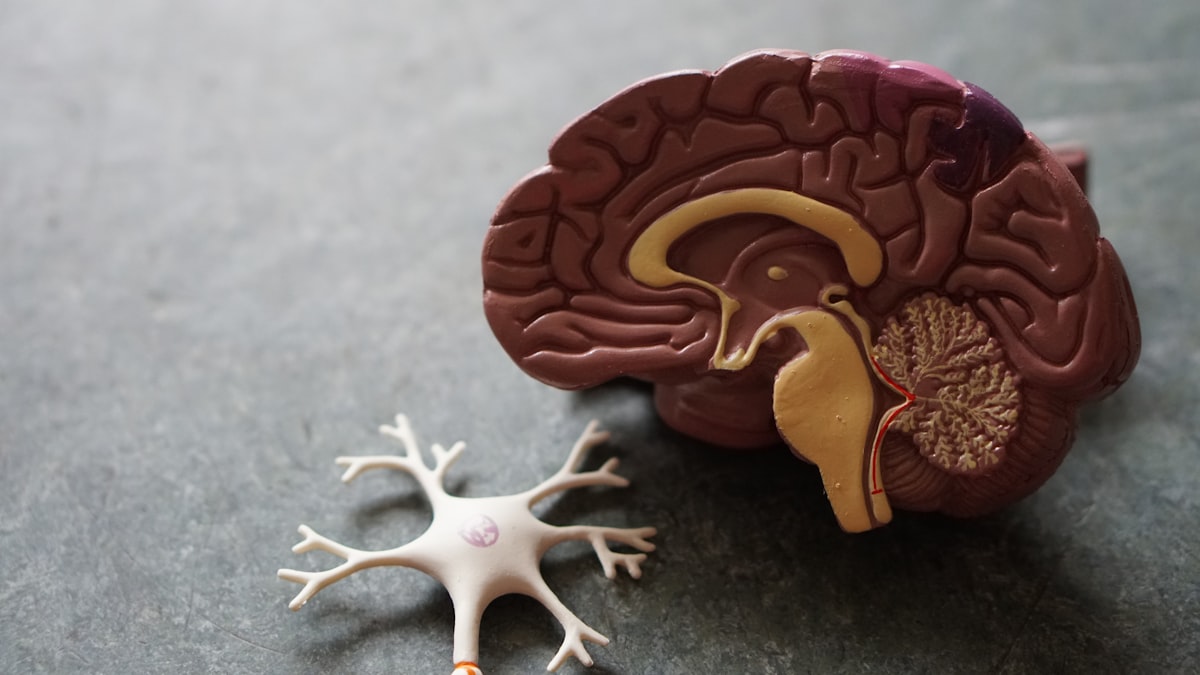
The signals arrive at a place called the dorsal horn. Think of it as the first major processing station for your pain pathways. It is not a passive relay. It is a gatekeeper with the power to amplify or dampen what comes through.
Inside the dorsal horn, nociceptive fibers release neurotransmitters across synapses to second-order neurons and interneurons. Excitatory influences make those neurons more likely to fire, strengthening the pain signal. Inhibitory mechanisms do the opposite. They turn the volume down.
The balance between these two forces matters enormously. Two people can have the same nociceptor input, but if one person has stronger inhibition in the dorsal horn, they will feel less pain. This is not theoretical. This is how your body actually works.
Your Brain Builds the Pain You Feel
From the dorsal horn, second-order neurons send signals upward along major pain pathways, including something called the spinothalamic tract. These ascending tracts carry information about pain and temperature to a relay station in your brain called the thalamus, according to Harvard Health.
But the thalamus is just the beginning.
Once signals reach the brain, they fan out to multiple regions. Your primary and secondary somatosensory cortices map the location and intensity of the pain. They tell you where it hurts, how sharp it is, and whether it is burning or throbbing.
Then other areas jump in. The insula. The anterior cingulate cortex. Parts of the prefrontal cortex. These regions shape the emotional and cognitive dimensions of your pain. They integrate sensory input with memories, emotions, expectations, and context.
Pain is not just an on-off signal; it is a complex experience that begins at nociceptors in the body, travels through the spinal cord's dorsal horn along specialized pain pathways, and is finally shaped into conscious brain pain perception in multiple regions of the brain.
This is why the same injury can feel worse when you are stressed. Or barely noticeable when you are focused on something else. Or more manageable when you feel safe and supported. Your brain is not passively receiving pain. It is actively constructing it.
Why Context Changes Everything
Think about what this means in real terms. Pain is an output of your nervous system, not a direct reflection of what is happening in your tissues. Your brain weighs everything it knows before deciding how much pain you should feel.
That is why people can experience strong pain with minimal tissue damage. Or relatively little pain despite extensive injury. It all depends on how the nervous system processes the signals at every step along the way.
When Pain Overstays Its Welcome
Acute pain makes sense. You get a cut, a burn, or a surgical wound. Nociceptors fire. Pain pathways activate. You protect the area. Healing happens. The signals quiet down. The system works exactly as designed, according to Cleveland Clinic.
Chronic pain is a different beast entirely.
Usually defined as lasting longer than three months or beyond expected healing time, chronic pain involves more complex changes. Persistent nociceptor input and repeated activation of the dorsal horn and brain circuits can lead to something called central sensitization.
Here is what that means in plain language: your neurons become more excitable and responsive. Pain can continue even after tissues have largely healed. Everyday stimuli that should not hurt can trigger disproportionate discomfort. Your nervous system gets better at producing pain. It learns to be in pain.
What You Can Do With This Knowledge
This is not just interesting science. It changes how you approach pain in your own life. Recognizing that pain pathways are flexible and influenced by physical, emotional, and cognitive factors opens up a broader range of helpful strategies.
Movement and rehabilitation can help recalibrate how your nervous system processes signals. Stress management techniques can reduce excitability in the dorsal horn and pain-related brain regions. Psychological therapies and accurate education about pain work alongside physical approaches.
These strategies can work together to:
- Reduce pain intensity over time by retraining your nervous system
- Improve daily function even when some underlying tissue changes remain
- Help you live more fully without waiting for a perfect scan or a clean bill of health
None of this means the pain is in your head. It means your head is deeply involved, along with your nerves, your spinal cord, and the constant two-way communication happening along your pain pathways.
That is not a weakness. It is a target. Something you can work with.
Medical Daily published the full breakdown of this research, and the takeaway is clear: pain is a dynamic, adjustable experience, not a fixed sentence. Understanding that is the first step toward changing it.

Sarah Jenkins covers health and medicine, translating new research into clear, practical reporting. She focuses on the science behind everyday wellbeing and the developments changing modern care.
💬 Comments (0)
No comments yet. Be the first!