Johns Hopkins ADHD Discovery Gains Traction
Johns Hopkins researchers identify brainstem neurons that filter distractions, potentially advancing ADHD treatment paths.
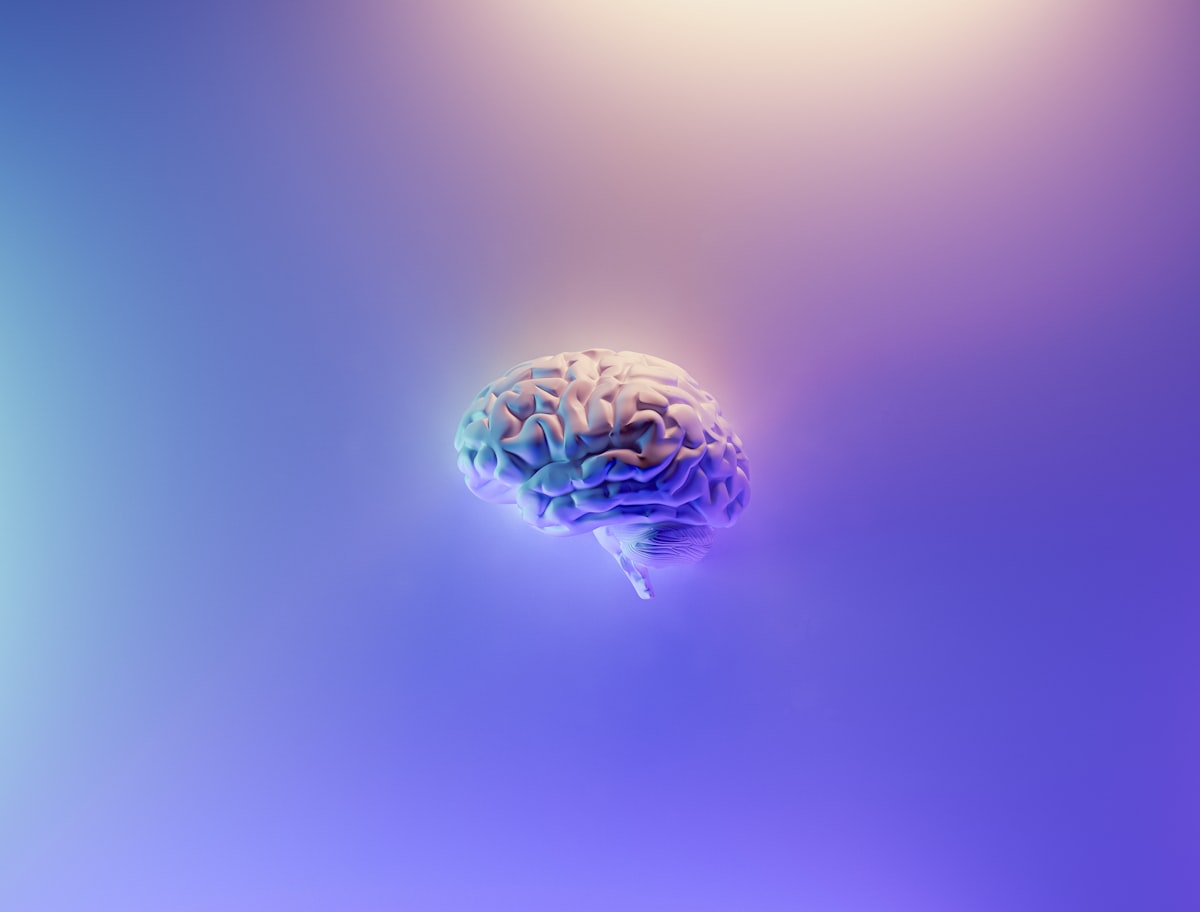
Johns Hopkins ADHD discovery redefines focus
Johns Hopkins ADHD researchers found a specialized neuron group in the brainstem. It acts as an attentional selection engine. For decades, the medical community centered its understanding of focus on the prefrontal cortex, the brain region often linked to executive function in primates. It's a much older system. So this new perspective suggests that the mechanism for filtering distractions is far more ancient and widespread across vertebrate species than we've previously understood.
An ancient evolutionary filter
Ignoring competing signals isn't a new trick. But this research suggests that this capacity, rather than being unique to higher primates or a recent evolutionary development, is actually embedded in the brainstem, an ancient area shared by fish, birds, and mammals alike, which the team demonstrated by studying mice and discovering that these neurons act as a filter for prioritizing relevant information. When those specific neurons were deactivated during behavioral tasks, the subjects experienced a marked increase in distractibility, yet they showed no impairments in motor function or visual processing. So it's a fundamental system.
The mechanics of selective attention
These neurons perform a specific task. They evaluate incoming information and determine which signals warrant immediate focus, a process that's key for navigating environments filled with competing data like a noisy room or a crowded space. So the study clarifies how the brain manages this selection process through the following observations.
- The neurons are located in an evolutionarily old region of the brainstem.
- Inhibitory neurons act as a switch for selective spatial attention.
- Disabling these cells leads to a loss of the ability to compare competing pieces of information.
- The distraction effect is reversible, returning to normal once the neurons are reactivated.
Strategic insights from the lab
The leadership behind this research emphasizes the functional necessity of this neural circuit. Senior author Shreesh Mysore notes the clear behavioral impact of these cells:
A hallmark of ADHD is that even faint distractors draw attention away, and that is exactly what we see here when these neurons are silenced. But the very next day, when the neurons are turned back on, the same animal can ignore distractors again, even very strong ones.
This observation offers a potential framework for understanding why existing treatments for attention disorders can vary so much in efficacy from one patient to another. But it's not just speculation. And if the underlying circuitry is truly conserved across species, then future therapeutic interventions could target this brainstem mechanism directly. That's a big if.
Shifting the medical focus
This discovery shifts the competitive conversation, moving us away from the idea that the prefrontal cortex is the sole seat of attention. It's not. Lead author Ninad Kothari highlights the discrepancy between traditional models and evolutionary reality, noting that animals lacking a highly developed prefrontal cortex can still focus, which demands a more fundamental neurological solution, so this brainstem system offers a new target for drug development and clinical observation. But we've only just begun to understand it.
Future directions in clinical research
The researchers are now looking toward the human application of these findings. It's a big step. So while the presence of these neurons in humans is considered highly probable, the next phase involves confirming their exact role in human spatial attention, and the team intends to investigate whether these neurons function differently in individuals diagnosed with autism or attention-related disorders. Such insights could lead to more targeted medication and therapy regimens. That's the goal. The path forward involves establishing the link between this ancient neural system and complex human behavior, potentially changing how medical professionals approach the treatment of cognitive focus issues.
Frequently Asked Questions
What is the main finding of the Johns Hopkins ADHD discovery?
The discovery identified a specialized group of neurons in the brainstem that acts as an attentional selection engine, filtering distractions. This suggests the mechanism for attention is far more ancient and widespread across vertebrate species than previously understood.
Why does this Johns Hopkins ADHD discovery shift the medical focus on attention?
The discovery moves away from the idea that the prefrontal cortex is the sole seat of attention, because animals without a highly developed prefrontal cortex can still focus. It reveals a brainstem system that offers a new target for drug development and clinical observation.
How did the researchers demonstrate the function of these neurons in the study?
The team studied mice and deactivated the specific neurons during behavioral tasks, which caused a marked increase in distractibility without impairing motor function or visual processing. The distraction effect was reversible, returning to normal once the neurons were reactivated.
When do the researchers plan to investigate the human application of this discovery?
The next phase involves confirming the exact role of these neurons in human spatial attention. The team intends to investigate whether these neurons function differently in individuals diagnosed with autism or attention-related disorders.
Who led the research and what did they say about the behavioral impact of silencing these neurons?
Senior author Shreesh Mysore led the research and noted that silencing these neurons caused animals to be drawn away by faint distractors, mirroring a hallmark of ADHD. When the neurons were turned back on, the same animal could ignore distractors again, even very strong ones.

Sarah Jenkins covers health and medicine, translating new research into clear, practical reporting. She focuses on the science behind everyday wellbeing and the developments changing modern care.
💬 Comments (0)
No comments yet. Be the first!