Half of UK adults spend under 3 hours a week in nature
Half of UK adults spend under three hours a week in nature, a Wildlife Trusts poll finds, with officials promising better access.
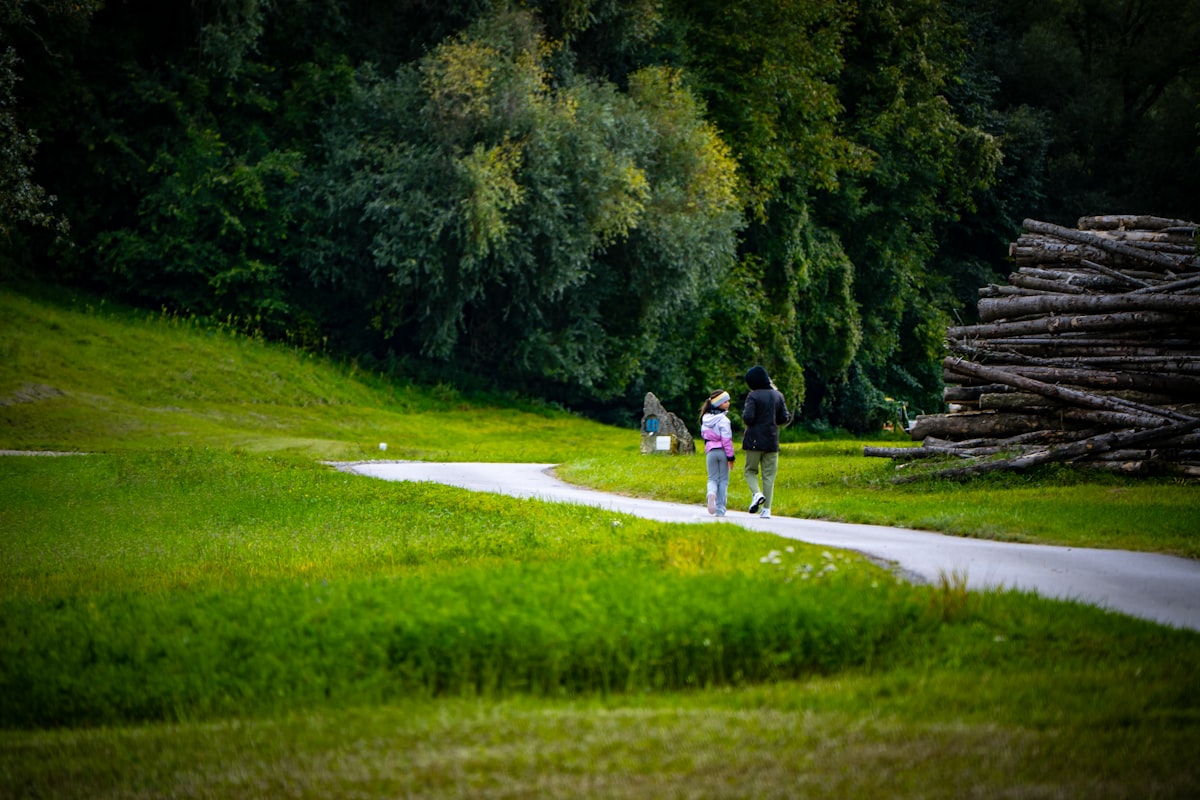
Half of UK adults now spend less than three hours a week in natural settings. Gardens, parks, fields, woods. The places that once formed the backdrop of childhood have become, for millions, a fleeting weekly glimpse rather than a daily ritual. A new poll of 2,000 people carried out for the Wildlife Trusts reveals a nation that has quietly drifted indoors, even as the evidence for going outside piles up in medical journals and government reports. For one in 10 adults, the weekly total is less than a single hour.
The Backyard Generation
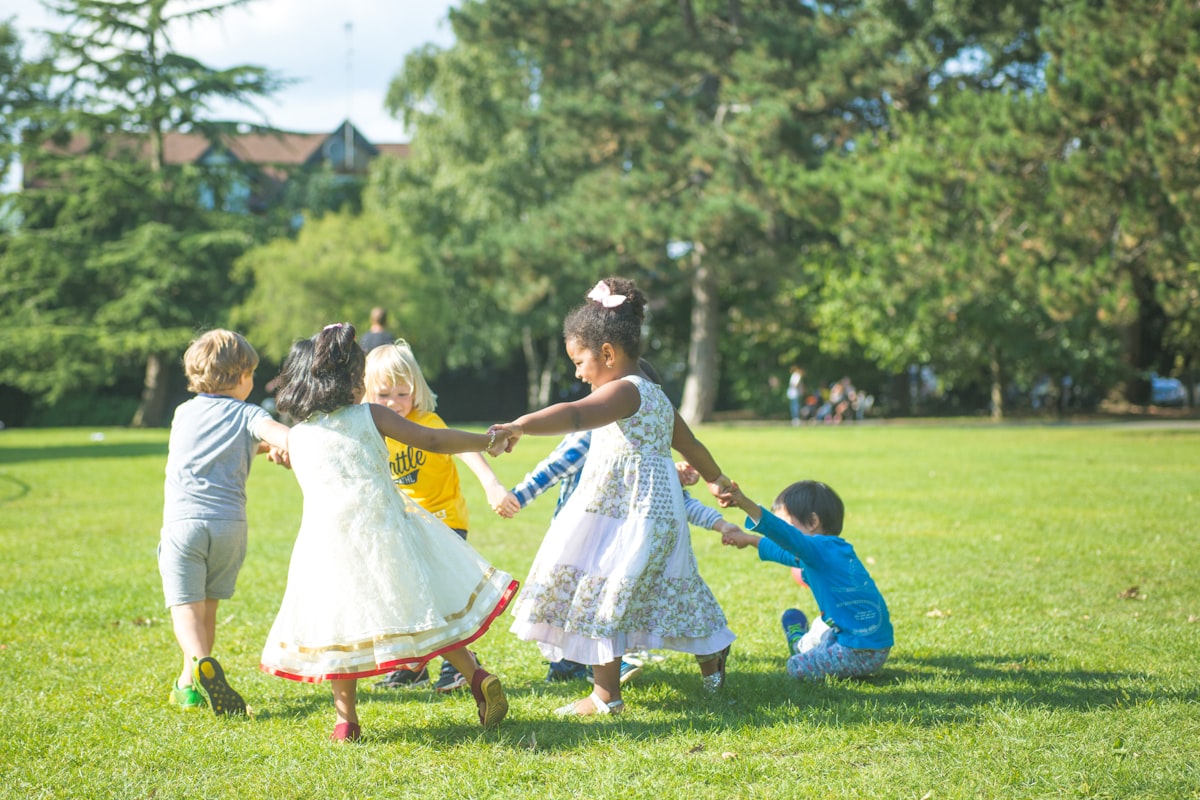
The survey asked people to reach back into their own childhoods. What came back was a flood of mud, tree bark, pond water, and joy. Almost 90% of UK adults recalled their outdoor play with genuine warmth. The excitement. The feeling of freedom. Even those who remembered falling in cowpats looked back fondly. Climbing trees, squelching through wet earth, paddling in ponds, building dens in the woods. These were not extraordinary adventures. They were simply what childhood looked like.
And they took up serious time. Almost two thirds of people said they had spent more than half their free time outside as children. The contrast with adult life is sharp. Half of UK adults now scrape together under three hours a week in natural environments. The shift is not subtle. It is a wholesale rewriting of how daily life is arranged.
What Nature Gives Back
It's not a nice-to-have footnote. And previous research shows regular access to green spaces reduces GP visits by 28%, saving NHS £2 billion a year, these aren't speculative figures from wellness influencers but data health economists use to plan services.
It's alarming. Dom Higgins, head of health and education at the Wildlife Trusts, put it bluntly when he said being outdoors in nature has so much joy to offer us all with fresh air, sunlight, birdsong and so many proven health benefits, so it's hard not to be alarmed by the number of people who spend so little time outdoors.
But that framing misses something. The problem is not that people have forgotten nature exists. The survey found that two thirds of people said thinking about their childhood memories made them more likely to want to reconnect with the outdoors. The desire is there. The opportunity, increasingly, is not.
The Access Problem
The government has committed to ensuring everyone has access to a green space within a 15-minute walk of their home. It sounds modest. Yet one in five households currently falls short of that target. In deprived areas, the gap yawns wider still. A promise on paper does not dig a pond or plant a meadow.
Shrinking Budgets, Shrinking Parks
Spending on parks has plunged over the past decade or so. Council budgets, stretched thin by legally required services like social care and support for children with special educational needs, have squeezed the discretionary stuff. Parks count as discretionary. Julie Jones-Evans, chair of the Local Government Association’s culture, tourism and sport committee, called parks and green spaces vital to local communities. Then she laid out the reality. Councils face financial pressure from rising demand for statutory services, and that leaves parks vulnerable. “This demonstrates why it is important councils are supported by sufficient and sustainable funding to protect these important services,” she said.
What Children Actually Want
The numbers on children tell their own quiet story. A 2024 poll for the National Trust found that more than three quarters of children said they wanted to spend more time in nature. But two thirds of parents were able to take their children to nature spaces only once a week or less. Accessibility was the main barrier. And then there is the statistic that stops you cold. A 2016 poll suggested that three quarters of UK children spent less time outside than people in prison.
Rewilding the Inner Child
The Wildlife Trusts are pushing back with something disarmingly simple. Their 30 Days Wild challenge has been taken up by 3 million people in the past decade. The charity provides free guides and children’s activity packs, this year featuring the TV character Bing. The ask is small. Stop for a few deep breaths at your local park. Lie on the ground and look up through the trees at the birds above.
“We’re urging people to spend a few minutes recalling a childhood memory of being outside and then to venture outdoors and experience nature once more. Taking a moment to rewild yourself can be as simple as stopping for a few deep breaths at your local park or lying on the ground looking up through the trees to the birds above.”
Higgins also pointed to something reassuring in the data. Town parks featured strongly in happy childhood memories. Urban green spaces, he said, can offer both access to nature and a strong sense of community and belonging. The rewilding does not require a trip to the Lake District. A patch of grass and a bench will do.
A spokesperson for the Department for Environment, Food and Rural Affairs said the government is introducing or improving green spaces wherever people live. Three new national forests are planned. The first will stretch from the Cotswolds to the Mendips. Nine new national river walks are also in the works, one in each region of England. The ambition is real. But ambition means little to the half of UK adults who still spend their weeks sealed indoors, cut off from the sunlight, the birdsong, and the simple act of looking up through branches at the sky.
- Almost 90% of UK adults recall outdoor childhood play with warmth and positivity
- Nearly half of adults now spend less than three hours a week in natural settings
- One in 10 adults spends less than one hour per week outside in nature
- Regular green space access cuts GP visits by 28% and could save the NHS £2bn annually
- One in five UK households lacks green space within a 15-minute walk of home
- Three quarters of children want more time in nature, but accessibility blocks most families
- Three million people have joined the Wildlife Trusts' 30 Days Wild challenge since it launched
- Three new national forests and nine new national river walks are planned across England
Frequently Asked Questions
What does the statistic 'half of UK adults spend less than three hours a week in nature' mean?
It means that 50% of adults in the UK spend fewer than three hours per week outdoors in natural settings like parks, forests, or countryside.
Why is spending time in nature important for UK adults?
Time in nature improves mental health, reduces stress, and boosts physical well-being through activities like walking or gardening.
What are the main reasons UK adults spend so little time in nature?
Common reasons include busy work schedules, urban living with limited access to green spaces, and reliance on digital entertainment.
How can UK adults increase their time in nature despite busy lives?
They can take short walks during lunch breaks, visit local parks on weekends, or incorporate nature into daily commutes.
What are the consequences of spending less than three hours a week in nature?
It can lead to higher rates of anxiety, depression, and sedentary lifestyle-related health issues like obesity.

Sarah Jenkins covers health and medicine, translating new research into clear, practical reporting. She focuses on the science behind everyday wellbeing and the developments changing modern care.
💬 Comments (0)
No comments yet. Be the first!