Elders Pandemic Simulation Exposes Gaps in Global Health Response
Elders pandemic simulation gathered ex-leaders in Nairobi to role-play bird flu, exposing weak systems and trust amid real Ebola.
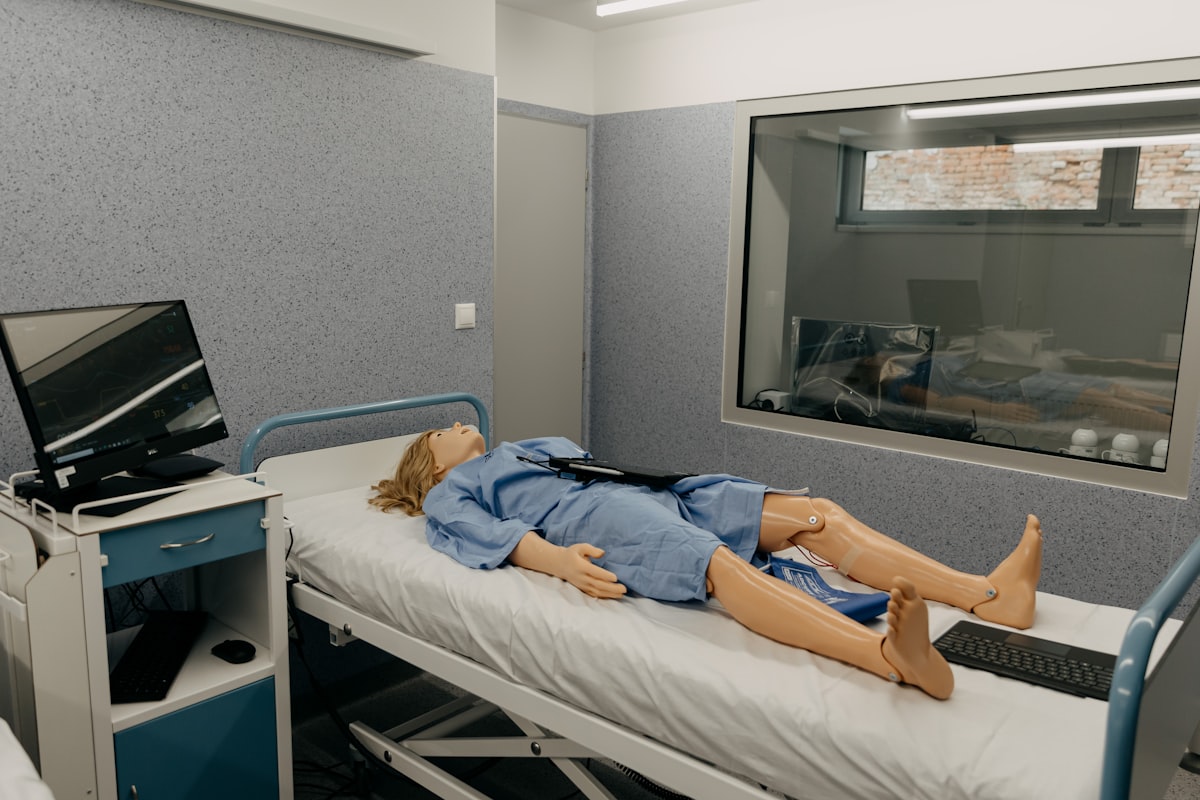
Elders pandemic simulation exercises unfolded last Thursday at a World Health Organization emergency hub just outside Nairobi, bringing together former presidents, a Nobel laureate, and a former UN high commissioner to confront a hypothetical outbreak. The scenario: a novel bird flu variant had surfaced in Chad, patients were dying from respiratory failure, and the government was hesitating to notify international authorities. Around a dozen people sat around a boardroom table, eyes fixed on an animated presentation, walking through choices that could determine whether a contained cluster became a continental catastrophe.
The simulation was not a theoretical indulgence. It was designed to expose the fractures in global readiness before the next real pathogen exploits them. And the timing proved unsettling.
A Hypothetical Crisis, Made Real
The prompt for the first scenario was direct. Health workers in eastern Chad had reported deaths. Initial samples pointed to a novel bird flu variant. But confirmation meant sending those samples to a foreign laboratory. Chad's government feared economic repercussions and stigma. International health regulations demanded notification within 24 hours of assessment. The question hanging in the room: if you were Chad's head of state, how would you ensure compliance, and what assurances would you need from international partners?
Ernesto Zedillo, a former president of Mexico, fired off the first response. He argued that governments need incentives to do the right thing. He invoked South Africa's experience from 2021, when the country detected a new Covid-19 variant and was met with travel bans and restrictions. The punishment for transparency, he suggested, had not been forgotten.
On the opposite side of the table, Zeid bin Ra'ad bin Zeid al-Hussein, a former UN high commissioner for human rights, offered a structural diagnosis. He pointed to stronger verification systems operating in other sectors and asked why health systems could not be raised to meet them. His framing suggested the problem was less about political will and more about uneven institutional design.
"Most Times, It Is Not a Lack of Political Will"
But that framing misses something. The former Liberian president Ellen Johnson Sirleaf pushed back with a different reading. The real bottleneck, she argued, lies in weak healthcare systems that cannot identify outbreaks properly in the first place. When local systems lack diagnostic capacity and surveillance reach, governments are not resisting pressure to report. They are operating without reliable information to act on.
Her intervention shifted the room's focus upstream. The Elders pandemic simulation was never just about decisions made during a crisis. It was about the conditions that determine whether those decisions are possible at all.
Two Real Outbreaks Frame the Exercise
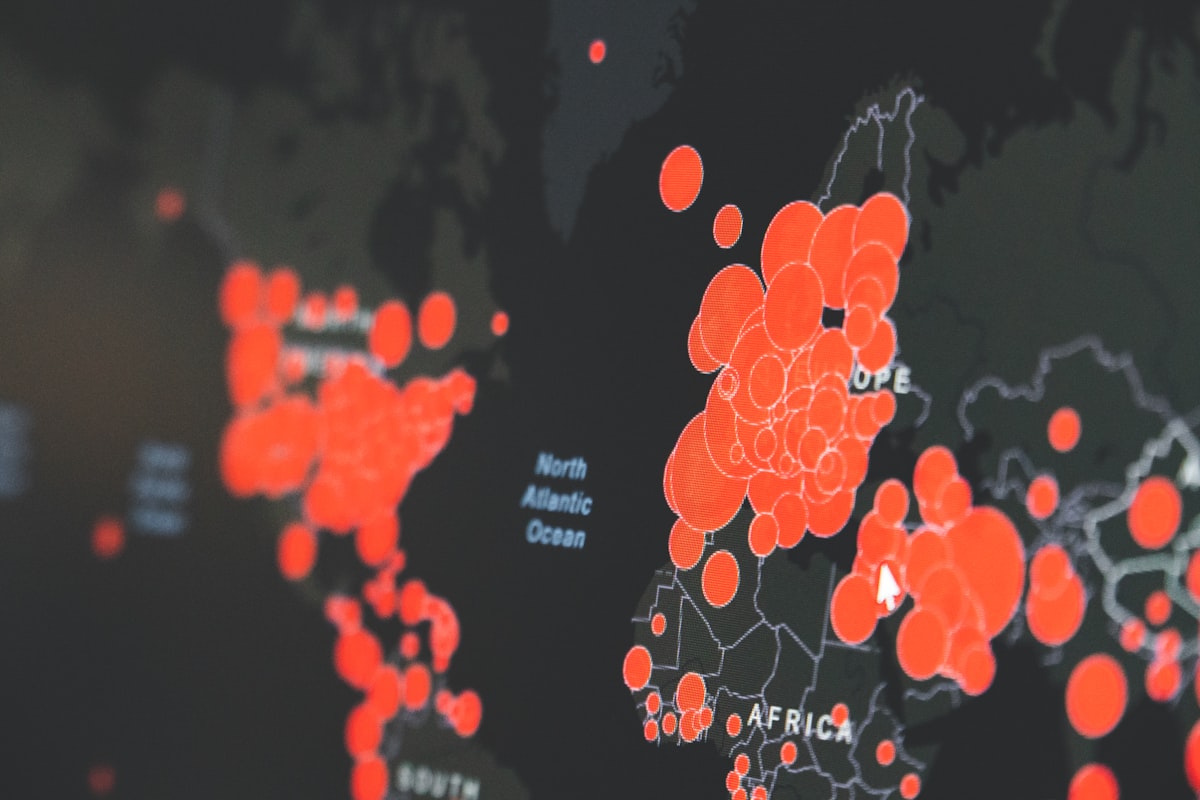
The simulation took place amid a hantavirus outbreak and, by grim coincidence, just one day before health officials announced an Ebola outbreak in Uganda and the Democratic Republic of the Congo. That outbreak has so far killed at least 139 people. The hypothetical scenario in Chad was shadowed by actual death tolls unfolding in real time.
Dr Mohamed Janabi, WHO's regional director for Africa, put a number on the broader pattern. The organisation recorded 146 emergency disease outbreaks across the continent last year alone. The Elders pandemic simulation, he told the group, offered a window on frontline reality. "Outbreaks will continue," he said. "How we manage them, that's the issue."
The Treaty That Wasn't
Hovering over every discussion was a diplomatic failure. Negotiators had missed this month's deadline to finalise a global pandemic treaty first announced during Covid in 2021. The agreement was supposed to establish how nations share information on dangerous pathogens and what access they are guaranteed in return: vaccines, tests, treatments. The delay signals something deeper.
It reflects a trust deficit between richer and poorer countries. Africa's experience during the pandemic, when wealthier nations stockpiled vaccines and the continent received few doses, has not been forgotten. Many believe the continent was effectively abandoned.
"We need to work together because we never know where it will happen. And we need to get all the people to be ready when it happens. We need really to understand that when we have the outbreak, it can go far and sometimes it can go beyond our borders."
Denis Mukwege, a Congolese gynaecological surgeon and Nobel laureate, delivered that assessment after the Elders pandemic simulation concluded. He pointed to his own country's experience responding to Ebola and mpox outbreaks. His emphasis was on multilateralism, rapid reaction, and political will for countries to collaborate. The alternative, his words implied, is a pathogen that does not respect borders met by a response that stops at them.
Climate and Conflict Collide
The simulation's second scenario introduced compounding crises. Chad finally notified WHO, but only after two weeks. By then, the situation had deteriorated sharply. Cases were appearing in northern Cameroon. Severe flooding had cut off transport routes. Pathogen samples could not reach an international laboratory. The question shifted: how can WHO and its international partners prepare for health and climate emergencies that will increasingly hit at the same time?
Hussein urged collaboration between science and climate experts. He noted that many professionals work in the climate space without health experts present, and vice versa. Sirleaf agreed with a blunt assessment: "The international integrated system or integrated response is not there yet."
What the Simulation Exposed
The Elders pandemic simulation surfaced several interconnected vulnerabilities that the group believes demand urgent attention:
- Reporting hesitancy driven by fear of economic punishment, as seen when South Africa faced travel bans after detecting a new variant
- Weak healthcare systems that lack the diagnostic capability to identify outbreaks, undermining the entire notification chain
- Fragmented expertise, with climate scientists and health experts rarely operating in the same planning rooms
- A stalled pandemic treaty that leaves no clear framework for sharing pathogen data or guaranteeing equitable access to countermeasures
The Elders group, founded in 2007 by Nelson Mandela, was built on the idea that collective wisdom from former leaders could tackle global crises. The simulation was their attempt to understand, firsthand, how Africa is preparing for the next pandemic and what advocacy gaps they could fill.
146 Reasons to Move Faster
Dr Janabi's figure of 146 emergency disease outbreaks last year carries weight. It means Africa faced a major health emergency roughly every two and a half days. The Elders pandemic simulation was not a distant exercise in contingency planning. It was a mirror held up to a relentless present.
What the Elders took away from the session was not a set of tidy solutions. It was a clearer picture of the chasm between international regulations on paper and the reality on the ground. Reporting deadlines exist. Verification systems exist in other sectors. But the integrated machinery that connects early detection to rapid, funded, politically supported response does not. Not yet.
The day after the simulation, as Ebola cases mounted, the hypothetical became historical. The gaps the Elders had spent hours diagnosing were no longer gaps in a scenario. They were gaps in the world.
Frequently Asked Questions
What is the Elders pandemic simulation?
The Elders pandemic simulation is a tabletop exercise led by former global leaders to test international pandemic preparedness and response.
What key gaps did the simulation expose?
It revealed critical weaknesses in global coordination, vaccine equity, and timely information sharing among nations.
Who participated in the simulation?
The exercise involved members of The Elders, including former presidents, prime ministers, and global health experts.
Why was this simulation conducted?
It aimed to identify shortcomings in current global health systems and propose actionable improvements before the next pandemic.
What were the main recommendations from the simulation?
Key recommendations include strengthening the WHO, ensuring equitable vaccine distribution, and creating a global pandemic treaty.
Sarah Jenkins covers health and medicine, translating new research into clear, practical reporting. She focuses on the science behind everyday wellbeing and the developments changing modern care.
💬 Comments (0)
No comments yet. Be the first!