Ebola Outbreak Spreading Rapidly: What It Means for You
Ebola outbreak spreading rapidly in the DRC is now the third largest on record. Global risk remains low, but health workers faced severe PPE shortages. Here's the honest take.
Ebola outbreak spreading rapidly through the Democratic Republic of the Congo has exploded into the third largest on record. Nearly 750 cases. One hundred seventy seven deaths. Around 1,400 contacts now being traced. And it was only first reported a week ago, on May 15.
You are probably wondering if this affects you. Let me walk you through exactly what is happening, what went wrong, and why public health experts are sounding alarms right now.
The Outbreak Right Now
The World Health Organization dropped a press briefing Friday that should make everyone sit up straight. WHO Director General Tedros Adhanom Ghebreyesus confirmed the outbreak is still "spreading rapidly." The agency bumped the national risk level from "high" to "very high." Regional risk stays "high." Global risk, for now, remains "low."
But those labels can shift fast. Here is what the raw numbers look like.
- Nearly 750 confirmed and suspected cases since the first known infection in late April.
- One hundred seventy seven deaths reported so far.
- Roughly 1,400 contacts being actively traced by health workers.
- Four health workers were among the earliest deaths, killed by an unidentified infection cluster.
This is already the third largest Ebola outbreak ever recorded. And it had a massive head start.
How We Got Here
WHO representative Dr. Anne Ancia spoke from the DRC during the briefing. Her words were blunt. When officials finally reached the affected area, the virus was "already rampant and silently disseminating for a few weeks already."
The earliest suspected case traces back to a health worker in Bunia, the capital city of Ituri province. Symptoms began April 24. WHO did not get word of any outbreak until May 5, when reports surfaced of a cluster of deadly, unidentified infections. Four health workers were dead. By the time a WHO team physically arrived, there were already 80 cases.
Dr. Ancia did not sugarcoat the situation. "Now we are sprinting behind the virus so that we can really try to control this outbreak," she said. She expects case numbers to keep climbing until response operations are fully in place.
A Virus Without a Vaccine
This is not the Zaire strain you may remember from the 2014 West Africa outbreak. The virus driving this crisis is the Bundibugyo virus. It is uncommon. It has no established vaccines. No proven therapeutics. The only tools health workers have right now are active case finding, isolation, and contact tracing.
That is a thin toolbox. And the conditions on the ground make everything harder.
- Armed conflict is active in the affected areas.
- Population mobility is intense, meaning infected people move before they can be found.
- Health systems are weak and under-resourced.
- Millions of people face acute hunger and need humanitarian assistance just to survive.
An Ebola outbreak spreading rapidly through this kind of environment is a nightmare scenario for epidemiologists.
Where Is the US?
Until recently, the answer was simple. The United States led global Ebola responses. American logistics, funding, and expertise were the backbone of containment efforts. That role has evaporated.
Craig Spencer, an emergency medicine doctor and Brown University professor who contracted Ebola while treating patients in Guinea in 2014, wrote a scathing opinion piece in The New York Times on Thursday. His message was sharp. The US has "abdicated its longstanding role as a leader in global health and humanitarian response."
I know how destructive the disease can be, and how unprepared we are for its return.
The Trump administration dismantled USAID. And it's also imposed severe cuts to the CDC, left numerous public health leadership roles vacant, and withdrew completely from the WHO, so now the practical consequences are already visible in this outbreak.
The Cost of Walking Away
The Times reported that the delay in detecting the outbreak was partly due to patient samples being transported to a national lab in Kinshasa at the wrong temperature. That transport task was previously managed by USAID. It did not happen correctly this time.
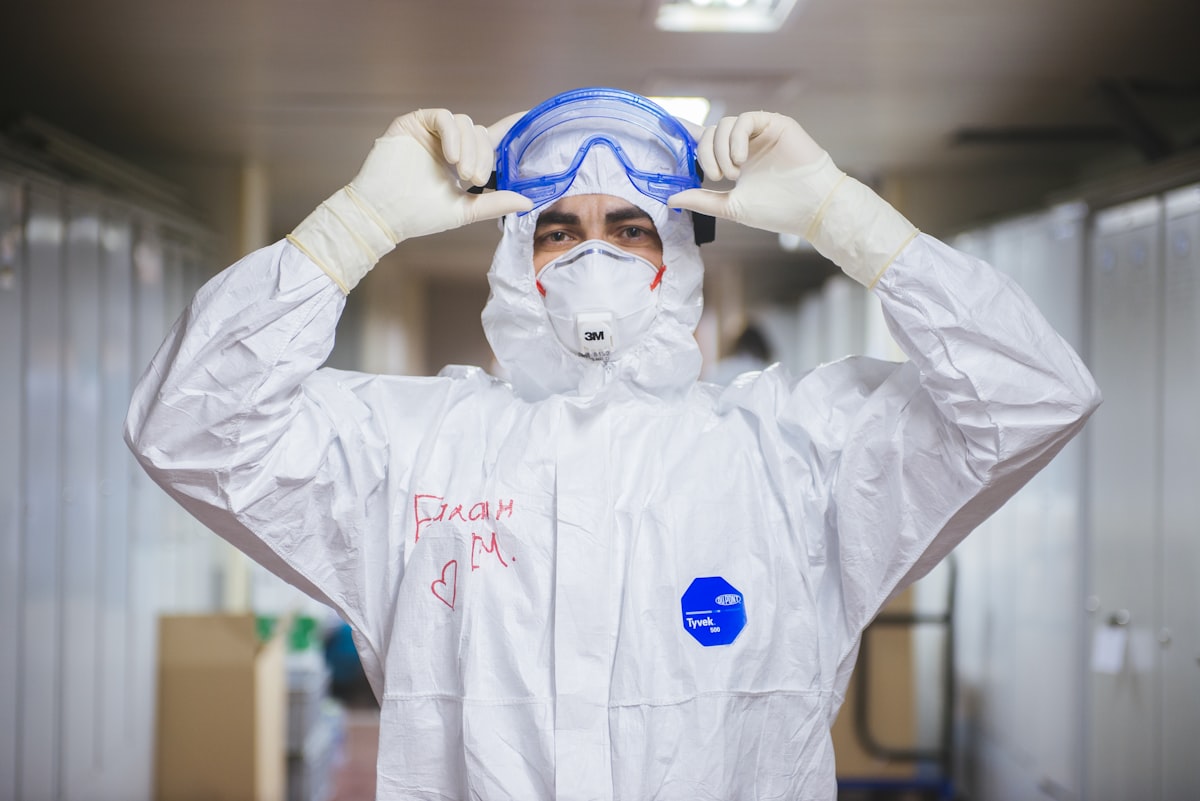
The US also used to be the crucial player in logistics and delivering supplies. Personal protective equipment. Face shields. Respirators. Impermeable coveralls. Surgical hoods. Health workers in the DRC went weeks without these basic protections at the start of the outbreak.
Megan Fotheringham, who served as USAID's deputy director of infectious diseases during the 2018-2020 Ebola outbreak in Ituri, did not hide her anguish. "My heart is breaking for those workers," she told The Times. "They are not protected, and they are putting their lives on the line." She said a functioning USAID could have moved stockpiles of protective equipment within hours.
We're sending more field staff. Satish Pillai, the CDC incident manager, said during a separate briefing that the US is ramping up resources, and the administration claims it's funding up to 50 treatment clinics in the DRC and Uganda.
But that framing misses something. Uganda responded by saying it was "not aware" of any such plans. Pillai also dodged questions about why an American doctor infected in the outbreak was sent to Germany for treatment rather than the United States.
"Disease of Compassion"
Spencer and other frontline clinicians often call Ebola a disease of compassion. It spreads through bodily fluids. The people most at risk are those who provide intimate care. Parents holding sick children. Family members washing the bodies of dead relatives. Health workers treating patients at their most contagious stage.
He recalled one family of seven. All infected. The parents cared for their children while fighting the disease themselves. Only the parents survived.
On Friday, epidemiologists Katelyn Jetelina and Emily Smith pointed out a bitter irony that this outbreak seems to be spreading not just by compassion but by what they've called "the global withdrawal of it." But it's spreading.
What This Means for You
Real talk: The WHO currently rates the global risk as low. That is the official assessment. But this outbreak is moving fast, the virus has no vaccine, and the international response is fragmented and underfunded.
Maria Van Kerkhove, WHO's epidemic and pandemic management director, was asked what the response would cost and whether the agency has enough money. She said they are still working on the estimate. Then she said something that should stick with you.
There's billions of dollars that are spent on war every single day. So, there's plenty of money that can be handled for this. And what is extremely frustrating is that money will come for a response. But what we actually need money for is prevention. This constant, steady stream of funding to support national governments in the capacities that they have across surveillance, detection, research, infection prevention, control, workforce, building trust in communities, et cetera, regularly as opposed to going into this cycle of panic and neglect.
She named the pattern exactly. Panic. Then neglect. Then panic again. An Ebola outbreak spreading rapidly today becomes tomorrow's forgotten crisis until the next one hits.
Your Risk, Honestly
If you live outside central Africa, your immediate personal risk is minimal. Ebola does not spread through the air. It requires direct contact with bodily fluids from an infected person showing symptoms. The global risk level from WHO remains low.
But if you care about whether global health systems can catch the next outbreak before it reaches your doorstep, this moment matters. The same surveillance networks, rapid response teams, and trusted community health workers that stop Ebola are the ones that catch novel flu strains, drug-resistant bacteria, and whatever comes next. Letting those networks fray is a choice. And choices have consequences.
As Ars Technica reported, the WHO is struggling to fill the funding and coordination gaps left by the US withdrawal. The question is not whether money will eventually flow. It always does once the panic peaks. The question is whether we invest in prevention or keep paying for emergency response at ten times the cost.
Frequently Asked Questions
What is the current status of the Ebola outbreak?
The outbreak is spreading rapidly across multiple regions, with health officials reporting a sharp increase in cases and deaths.
How does Ebola spread from person to person?
Ebola spreads through direct contact with bodily fluids of infected people or contaminated surfaces, not through air or water.
What are the early symptoms of Ebola?
Early symptoms include fever, severe headache, muscle pain, and fatigue, often followed by vomiting, diarrhea, and unexplained bleeding.
Is there a vaccine or treatment for Ebola?
Yes, vaccines and treatments exist, but their availability is limited in outbreak zones, and early medical care improves survival chances.
What can I do to protect myself and my family?
Avoid travel to affected areas, practice strict hand hygiene, and avoid contact with sick individuals or their belongings.

Hanna Schmidt writes about health, nutrition and wellbeing, separating evidence from the noise. She covers how lifestyle and science come together to shape long-term health.
💬 Comments (0)
No comments yet. Be the first!