Coffee and Blood Pressure: The Surprising Truth
Coffee and blood pressure: Temporary spikes are normal, but long-term risks depend on how much you drink and your current health.

Coffee and blood pressure have a tangled relationship that has confused even the most health-conscious drinkers for decades. You hear one thing from your doctor, another from the morning news, and something else entirely from the friend who downs four espressos a day and swears he feels fine. So which version's actually true?
What High Blood Pressure Actually Means
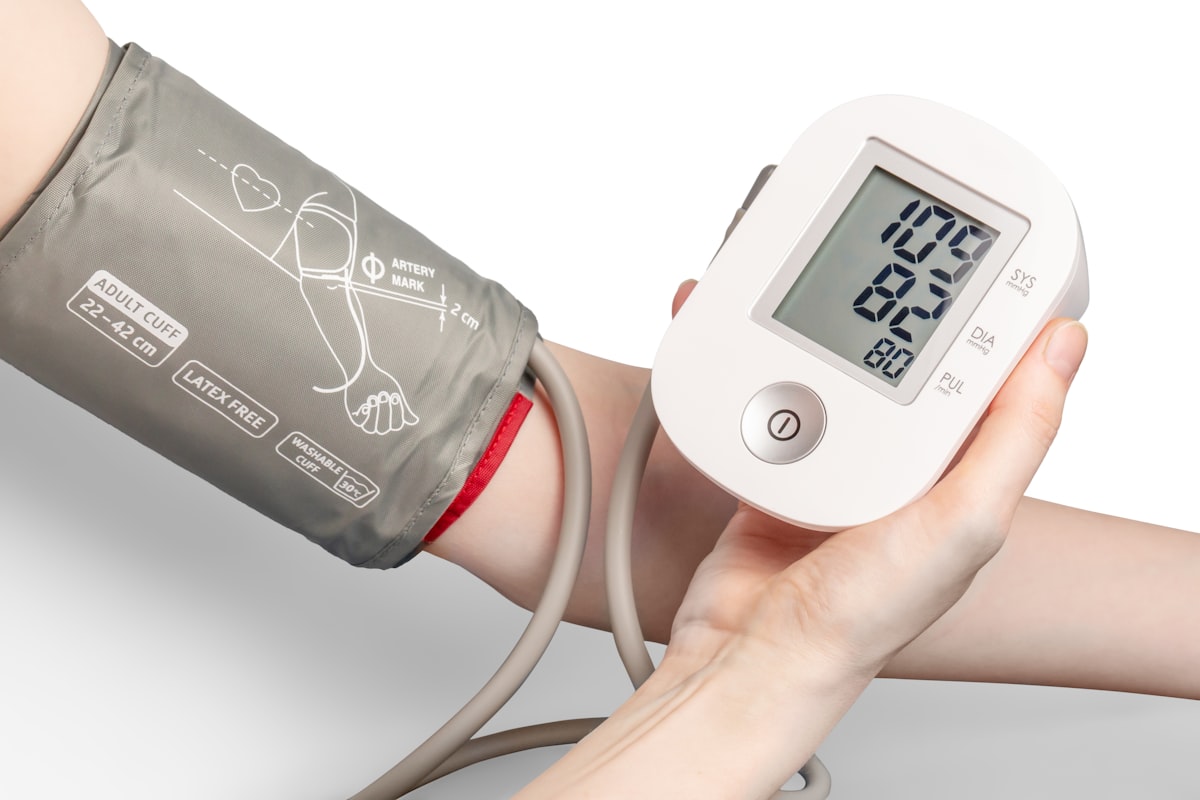
Blood pressure has two numbers. It's exactly the force of blood pushing against artery walls as the heart does its work, and doctors track it with those two numbers. The top one's systolic. But systolic measures pressure when the heart contracts and pumps blood through the body, while the bottom number, diastolic, measures pressure when the heart relaxes between beats.
Two Numbers Worth Knowing
A healthy blood pressure reading sits below 120 systolic and below 80 diastolic. But most people miss this. When those numbers consistently reach 140/90 or higher, the diagnosis becomes hypertension, and it rarely announces itself with symptoms, so around 31% of adults have it while about half don't realize they're living with it. Even among those taking medication, roughly 47% still don't have their blood pressure under control, and that's a staggering gap between diagnosis and management.
How Caffeine Pushes Pressure Up
Caffeine acts as a muscle stimulant. It's straightforward. So it can increase heart rate and in some cases cause arrhythmia by prompting the adrenal glands to release adrenaline, which makes the heart beat faster and narrows blood vessels, causing blood pressure to climb.
Caffeine levels peak between thirty minutes and two hours after drinking coffee, and its half-life of three to six hours means the body needs that long to clear roughly half of it. But that timeline varies. Age plays a role because children's smaller, less developed livers mean it's metabolized more slowly. Genetics matter too. Some people naturally break down caffeine faster than others. Regular coffee drinkers also tend to clear it from the body more efficiently.
Why Your Body Reacts the Way It Does
Research reviews show caffeine from coffee, cola, energy drinks, and chocolate can raise systolic blood pressure by 3 to 15 points and diastolic by 4 to 13 points after consumption. The effect may be more concerning for people who already have hypertension or existing heart or liver disease. Anyone in those groups should discuss caffeine intake with their doctor. That is not generic advice. It is specific to the risk profile these studies highlight.
Beyond Caffeine
But that framing misses something. Coffee's not just a caffeine delivery system; it contains hundreds of phytochemicals, compounds that influence flavor, aroma, and potentially health in ways researchers are still untangling. Some of these compounds may directly affect blood pressure.
Melanoidins help regulate fluid balance and enzymes involved in blood pressure control, while another compound called quinic acid has been linked to lower systolic and diastolic blood pressure. Researchers believe it may help blood vessels function more effectively, making them better at handling changes in pressure. But the story's nuanced.
The Long-Term Question
So does coffee actually cause hypertension over time? No, it doesn't. One review combined data from 13 studies involving about 315,000 people, and during follow-up, 64,650 participants developed hypertension, yet researchers found no link between coffee drinking and a greater risk of developing high blood pressure. And those results held steady regardless of gender, coffee intake, caffeinated versus decaffeinated choice, smoking habits, or study duration.
In five U.S.-based studies and seven lower-quality studies, some lower-risk findings appeared, and the researchers noted that those results should be interpreted carefully. But the overall picture's unchanged.
A Warning From Japan
Here's the awkward part. A Japanese study followed over 18,000 adults 40 to 79 for nearly 19 years, and about 1,800 had grade 2 or 3 hypertension (systolic 160 or higher or diastolic 100 or higher). And in that group, people who drank two or more cups of coffee daily had double the risk of dying from cardiovascular disease, including heart attack and stroke, compared to non-drinkers.
The danger is clear. Researchers didn't find the same increased risk among people with normal blood pressure or mild, grade 1 hypertension, but it was concentrated in the severe hypertension group. So this detail should make anyone with very high readings pause before reaching for a second cup.
Most people do not need to give up coffee completely. Instead, experts recommend paying attention to overall health, caffeine intake, and blood pressure levels.
The Bottom Line
The relationship isn't binary. Clare Collins, Laureate Professor in Nutrition and Dietetics at the University of Newcastle, lays out a practical framework that doesn't demand total abstinence, and it depends on your numbers, your habits, and your body.
Here are the steps experts recommend:
- Know your blood pressure numbers, your health history, and which foods and drinks contain caffeine.
- Consider all factors that affect blood pressure: family history, diet, salt intake, and physical activity.
- Avoid caffeine before a blood pressure check because it can temporarily skew the results.
- Avoid drinking caffeine later in the day if it interferes with sleep.
- Try to keep coffee intake to four cups a day or fewer, or consider switching to decaf.
- If your systolic blood pressure is 160 or higher or your diastolic is 100 or higher, consider limiting coffee to one cup daily and speak with your doctor.
One detail's worth pausing on. The Japanese study showed elevated risk at two or more cups per day for people with severe hypertension, and that threshold's lower than the general four-cup guideline. If your numbers are in the danger zone, one cup may truly be the ceiling.
For most people, coffee doesn't need to disappear from the morning ritual, but it just needs to be consumed with eyes wide open so you know your numbers and watch your intake. And if something feels off, ask the doctor. Not the internet.
Frequently Asked Questions
What numbers define a healthy blood pressure reading versus a diagnosis of hypertension?
A healthy blood pressure reading is considered to be below 120 systolic and below 80 diastolic. When those numbers consistently reach 140/90 or higher, the diagnosis becomes hypertension.
How does caffeine in coffee temporarily affect an individual's blood pressure levels?
Caffeine acts as a muscle stimulant, which can increase heart rate and prompt the adrenal glands to release adrenaline. This makes the heart beat faster and narrows blood vessels, causing blood pressure to climb, with effects peaking between thirty minutes and two hours after consumption.
Does long-term coffee consumption contribute to the development of hypertension?
No, a review combining data from 13 studies involving about 315,000 people found no link between coffee drinking and a greater risk of developing high blood pressure. These results held steady regardless of gender, coffee intake, or smoking habits.
For whom might coffee consumption pose a higher health risk, and what specific findings support this?
The effect of caffeine may be more concerning for people who already have hypertension or existing heart or liver disease. A Japanese study showed that individuals with grade 2 or 3 hypertension (systolic 160 or higher or diastolic 100 or higher) who drank two or more cups of coffee daily had double the risk of dying from cardiovascular disease compared to non-drinkers.
What practical advice do experts offer regarding coffee intake, especially for individuals with elevated blood pressure?
Experts recommend knowing your blood pressure numbers, health history, and which foods and drinks contain caffeine. For most people, keeping coffee intake to four cups a day or fewer is advised, but if systolic blood pressure is 160 or higher or diastolic is 100 or higher, limiting to one cup daily and speaking with a doctor is crucial.
Matteo Ricci reports on medicine and public health, from clinical breakthroughs to the systems that deliver care. He is committed to explaining complex health topics in a way readers can act on.
💬 Comments (0)
No comments yet. Be the first!