Chronic Kidney Disease Surge to 788 Million, Study Finds
A 2025 Lancet analysis reveals chronic kidney disease cases have more than doubled to 788 million worldwide, now a leading cause of death and disability.
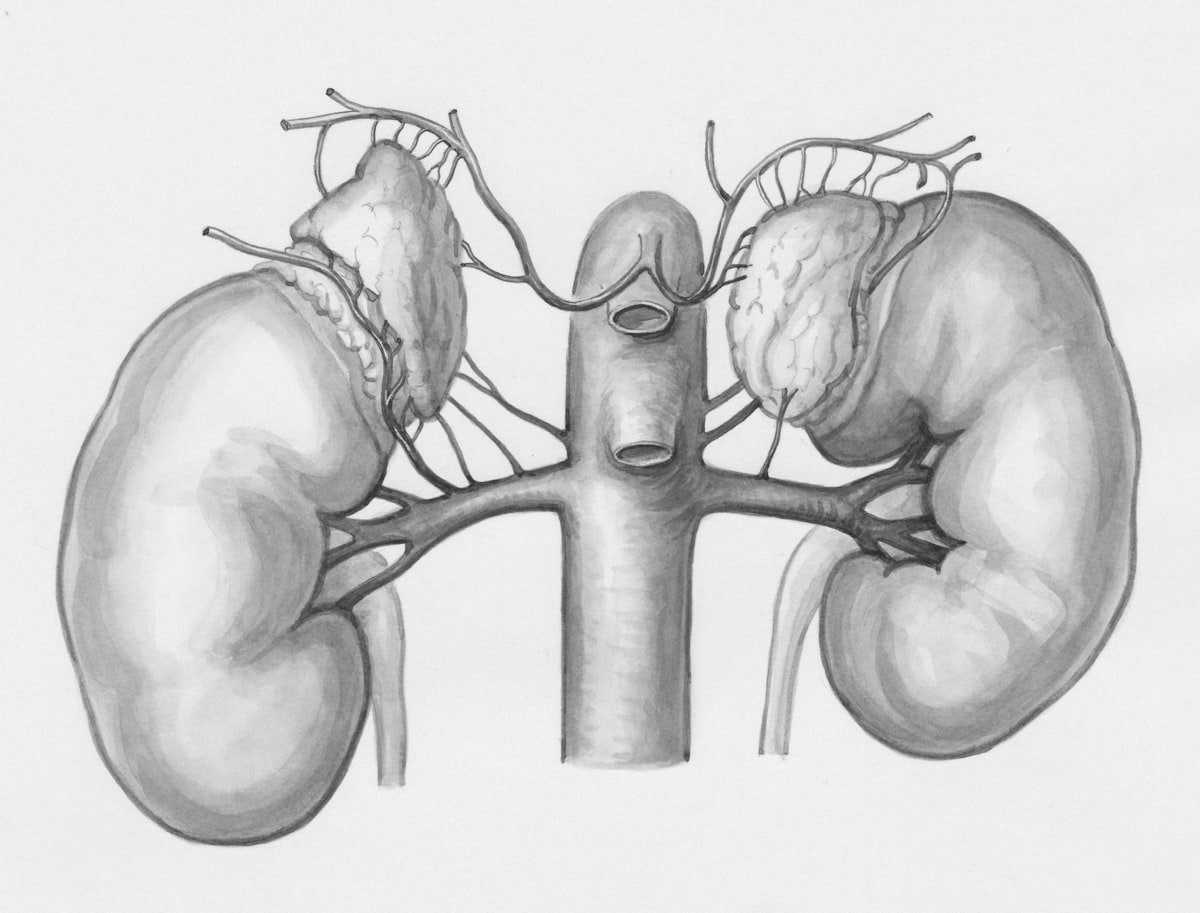
Chronic kidney disease has quietly grown into one of the world's most widespread and deadly health problems, and a sweeping new global analysis puts the scale of the crisis into stark numbers. The study, published in The Lancet and led by researchers at NYU Langone Health, the University of Glasgow, and the Institute for Health Metrics and Evaluation at the University of Washington, found that the number of people living with the condition more than doubled in just over three decades, climbing from 378 million in 1990 to 788 million in 2023.
That is nearly 800 million people. Roughly 14% of all adults on the planet. And for the first time, chronic kidney disease has pushed its way into the top 10 causes of death worldwide.
788 Million and Counting
The report was part of the Global Burden of Disease 2023 study, a massive international effort to track health loss across countries and over time. Researchers reviewed 2,230 published research papers and national health datasets from 133 countries. They examined diagnoses, deaths, and the disability linked to chronic kidney disease. What emerged is a picture of a disease that has outpaced expectations and continues to accelerate.
Roughly 1.5 million people died from the condition in 2023. After adjusting for differences in age patterns across countries, deaths were more than 6% higher than in 1993. The disease was also the 12th leading cause of reduced quality of life from disability that same year.
"Our work shows that chronic kidney disease is common, deadly, and getting worse as a major public health issue," said study co-senior author Josef Coresh, MD, PhD, director of NYU Langone's Optimal Aging Institute. "These findings support efforts to recognize the condition alongside cancer, heart disease, and mental health concerns as a major priority for policymakers around the world."
A Crisis Hiding in Plain Sight
Here is the part that makes this particularly dangerous. Most people with chronic kidney disease in the study were still in the early stages. They felt no symptoms. Their bodies gave no obvious warning. The kidneys slowly lose their ability to remove waste and extra fluid from the blood, and a person can go years without knowing anything is wrong.

But that framing misses something. Chronic kidney disease is not simply a late-stage condition that leads to dialysis or transplant. It is increasingly understood as a quiet, common disorder that can be detected earlier and treated sooner. The damage does not only threaten the kidneys. Impaired kidney function was a major risk factor for heart disease, contributing to about 12% of global cardiovascular deaths.
Who Is Most at Risk
The biggest risk factors are surprisingly ordinary. High blood sugar. High blood pressure. High body mass index, a measure of obesity. These are conditions that millions of people manage, or fail to manage, every day. They are also conditions where early intervention can change the trajectory before kidney damage begins.
The Treatment Gap
It's not the same everywhere. In sub-Saharan Africa, Southeast Asia, Latin America, and other low-income regions, relatively few people receive dialysis or kidney transplants because these treatments are often less available and harder to afford, the authors note.
Chronic kidney disease is underdiagnosed and undertreated," said study co-lead author Morgan Grams, MD, PhD, the Susan and Morris Mark Professor of Medicine at the NYU Grossman School of Medicine. More urine testing's needed. And our report also highlights the need to ensure patients can afford and access therapy once they are diagnosed.
Grams pointed to medications introduced over the past five years that can slow kidney disease and lower heart attack, stroke, and heart failure risk, but she cautioned it'll take time to improve outcomes globally. She warns many go untested. So chronic kidney disease may be even more common than estimates suggest.
What Happens Next
1.5 million people died in a single year. The World Health Organization took formal notice in May 2025, placing chronic kidney disease on its agenda for reducing early deaths from noncommunicable diseases by one third before 2030. That is a major shift. It signals that global health authorities now see this as a front-line problem, not a niche concern.
In 2026, kidney experts highlighted projections suggesting that chronic kidney disease deaths could keep rising in the decades ahead, even as deaths from stroke and ischemic heart disease are expected to fall sharply. Clinical guidance is already evolving to match the urgency. Kidney Disease: Improving Global Outcomes, an organization that develops widely used kidney care guidelines, has been updating its 2024 chronic kidney disease guidance to address emerging evidence on kidney protective treatments.
A Shift in Medical Thinking
These treatments include SGLT2 inhibitors, GLP-1-based therapies, and nonsteroidal mineralocorticoid receptor antagonists for people with chronic kidney disease without diabetes. The growing focus reflects how experts now view the disease. It is no longer just about managing the final stages. It is about catching the quiet damage early and acting before the kidneys fail.
The Numbers at a Glance
- 788 million people worldwide were living with chronic kidney disease in 2023, up from 378 million in 1990.
- Roughly 14% of all adults globally have the condition.
- Approximately 1.5 million deaths in 2023 were attributed to chronic kidney disease.
- Impaired kidney function contributed to about 12% of global cardiovascular deaths.
Coresh said they're helpful. When the condition is caught early enough, medications and lifestyle changes can help prevent progression to dialysis or kidney transplantation, but the challenge is making sure that happens everywhere, not just in wealthy countries with strong screening programs, and the gap between what medicine can do and what actually reaches patients remains wide.
The report was the most thorough global estimate of chronic kidney disease in nearly a decade, presented at the American Society of Nephrology's annual Kidney Week conference alongside its publication in The Lancet. But funding's from three sources. It's the National Institutes of Health, the Gates Foundation, and the National Kidney Foundation.
The numbers are enormous. The trends are heading the wrong direction. But the researchers keep returning to one point that matters: most cases are in the early stages, and early action works. The question is whether the world will act on that knowledge.
Frequently Asked Questions
What is the scale of chronic kidney disease globally according to the study?
The study found that the number of people living with chronic kidney disease more than doubled from 378 million in 1990 to 788 million in 2023. That is roughly 14% of all adults on the planet, and the disease has become the 10th leading cause of death worldwide.
Why is chronic kidney disease considered particularly dangerous?
Most people with chronic kidney disease in the study were still in the early stages and felt no symptoms, so they can go years without knowing anything is wrong. Additionally, impaired kidney function is a major risk factor for heart disease, contributing to about 12% of global cardiovascular deaths.
How can chronic kidney disease be detected and treated earlier?
The article states that more urine testing is needed for detection. It also highlights medications introduced over the past five years, such as SGLT2 inhibitors and GLP-1-based therapies, that can slow kidney disease and lower heart attack and stroke risk if caught early.
When did the World Health Organization formally address chronic kidney disease?
The World Health Organization took formal notice in May 2025, placing chronic kidney disease on its agenda for reducing early deaths from noncommunicable diseases by one third before 2030. This signals that global health authorities now see it as a front-line problem.
Who are the main risk groups for chronic kidney disease according to the article?
The biggest risk factors are high blood sugar, high blood pressure, and high body mass index, which are conditions many people manage daily. The article also notes that in sub-Saharan Africa, Southeast Asia, and Latin America, chronic kidney disease is underdiagnosed and undertreated because treatments like dialysis are less available and harder to afford.

Sarah Jenkins covers health and medicine, translating new research into clear, practical reporting. She focuses on the science behind everyday wellbeing and the developments changing modern care.
💬 Comments (0)
No comments yet. Be the first!