New 'Megacluster' Discovery Offers Hope Against Superbugs
A recent study reveals a 'megacluster' of genes that could lead to new antibiotic strategies against drug-resistant bacteria, a significant advance in combating superbugs.
Antibiotic megacluster discovery ignites new hope. We're running out of weapons against superbugs, but scientists have unearthed a remarkable genetic blueprint from soil microbes that reveals a potent, multi-pronged attack strategy. It could soon reinvigorate our dwindling arsenal of life-saving drugs.
Nature's Own Super-Weapon Blueprint
For decades, we've relied on antibiotics derived from nature. We borrowed weapons forged in the constant microbial warfare happening in soil and other environments, and these "natural products" have been our best defense against deadly bacterial infections. But finding new ones has become incredibly tough. Antibiotic resistance is now a terrifying reality, making once-treatable infections deadly again.
This discovery isn't about a single molecule. It's about uncovering a complex, pre-packaged system that nature itself perfected, a complete and ready-to-use mechanism rather than just one isolated component. Think of it differently. So don't imagine finding one arrow but a whole quiver designed for a specific target.
Unpacking the 'Megacluster'
But researchers found a massive block of genes, which they've dubbed a "megacluster," within well-studied soil bacteria called Streptomyces. These bacteria are already famous for giving us drugs like streptomycin. Yet this megacluster, with its ingenious design, somehow remained hidden until now. It's incredible.
The megacluster doesn't just produce one compound. It directs the creation of four distinct molecules. But these aren't random; they work together, targeting a single metabolic pathway in bacteria that is vital for their survival and ability to cause illness. That pathway is responsible for making biotin, also known as vitamin B7.
Here’s how the four molecules gang up:
- Three of the clusters within the megacluster churn out antibiotic molecules: stravidins, acidomycins, and dapamycins. Each of these specifically cripples a different enzyme needed to build biotin.
- The fourth cluster creates a decoy molecule. It mimics a natural component of the biotin-making process, essentially hijacking the pathway and forcing it to produce a useless version of the vitamin.
It's a full-spectrum assault on a single process. To make matters even more sophisticated, the megacluster also contains instructions for producing streptavidin, a protein known to bind tightly to biotin and effectively steal it away.
Why This Changes the Game
For years, we scanned bacterial DNA for gene clusters that could make one molecule at a time. It was a slow hunt. But if a bug developed a resistance to that one molecule, the drug lost its power, and we'd have to start all over again, searching for a new compound from scratch in a process that could take a decade or more. So this new megacluster discovery shows us that evolution has already figured out a smarter way.
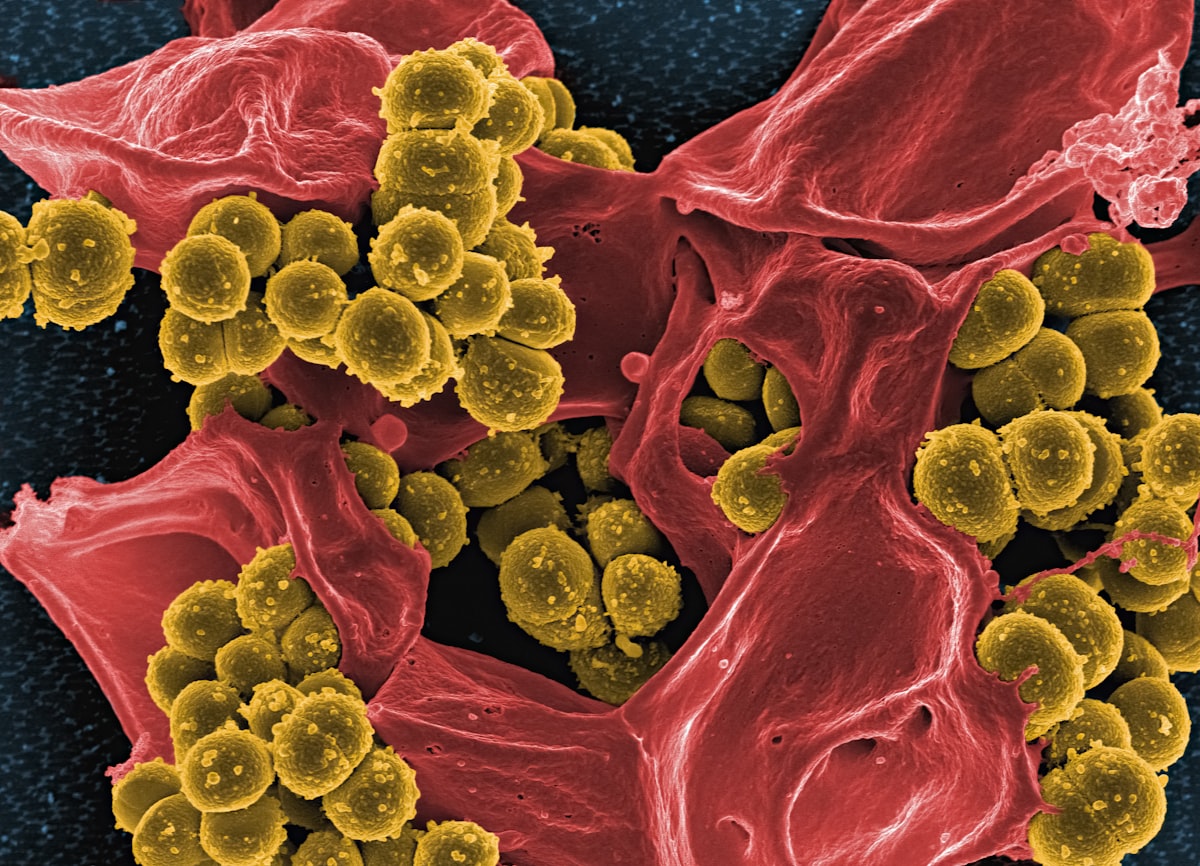
It's a far more daunting evolutionary challenge. But because these molecules hit multiple steps in a single pathway simultaneously, they're far harder for bacteria to overcome since the microbes can't just tweak one enzyme to escape. They'd have to find a way to counter four different antibiotics and a decoy, all at once.
We've finally found a solution. It's a sophisticated, naturally evolved combination therapy that is exactly what we need to get ahead of antibiotic resistance. But nature perfected this strategy over millennia. We're only now beginning to tap into it.
The Road Ahead: Hope, But Not a Magic Bullet
What does this mean for you, right now? It means there's genuine scientific progress being made. This isn't just more of the same. It's a completely new approach to antibiotic discovery, and by looking for these "megaclusters," scientists can potentially unlock many more natural combination therapies that we've never had access to before.
However, we need to be realistic. This is an exciting scientific finding, but it’s not a medicine you can pick up at the pharmacy tomorrow. There are many steps still to go. Researchers need to do more basic science, figure out how to adapt these molecules for use in the human body, and then face the lengthy and expensive process of clinical trials to prove they are both safe and effective.
"The architecture of the anti-biotin megacluster provides a paradigm for naturally evolved combination therapies, supporting a shift in antibiotic discovery from isolating individual hits to reconstructing native synergistic systems."
This quote from the researchers themselves highlights the core shift: moving from finding single miracle drugs to understanding and rebuilding nature's own sophisticated defense systems. So we're learning from the best strategist, nature. It's about applying those lessons to protect our health.
A New Strategy for Survival
The antibiotic megacluster discovery offers a vital glimpse into how we might outsmart superbugs, reminding us that nature holds many more secrets we're only beginning to understand. It's a powerful lesson. By learning to read its complex blueprints, we can arm ourselves with better defenses against the microbial threats that loom larger each year.
This advance could reinvigorate the field of antibiotic research. It pushes scientists to look for these multi-molecule marvels, a smart and strategic move that could help ensure we have effective treatments for bacterial infections for generations to come. But it's truly groundbreaking.
```Frequently Asked Questions
What is the 'megacluster' discovered in soil bacteria?
The megacluster is a massive block of genes found in Streptomyces soil bacteria that produces four distinct molecules targeting a single metabolic pathway in bacteria. It directs the creation of three antibiotic molecules (stravidins, acidomycins, and dapamycins) and a decoy molecule that hijacks the biotin production process.
Why is the megacluster discovery considered a new approach to antibiotic discovery?
Instead of finding single compounds that bacteria can easily develop resistance to, the megacluster offers a naturally evolved combination therapy that attacks multiple steps in a single pathway simultaneously. This makes it much harder for bacteria to overcome, as they would need to counter four different antibiotics and a decoy at once.
How do the molecules produced by the megacluster work together?
The three antibiotics each cripple a different enzyme needed to build biotin, while the fourth molecule mimics a natural component to hijack the pathway and produce a useless version of the vitamin. Additionally, the megacluster includes instructions for streptavidin, a protein that binds tightly to biotin and steals it away.
When can patients expect to benefit from this discovery?
This is not a medicine available soon; there are many steps remaining, including basic science, adapting molecules for human use, and lengthy clinical trials to prove safety and effectiveness. The article emphasizes that it is an exciting scientific finding but not a magic bullet for immediate use.
Who are the researchers involved in this study, and what paradigm shift do they propose?
The researchers behind the discovery propose a shift from isolating individual antibiotic hits to reconstructing native synergistic systems, as stated in their quote about the anti-biotin megacluster. They highlight that this provides a paradigm for naturally evolved combination therapies.

Sarah Jenkins covers health and medicine, translating new research into clear, practical reporting. She focuses on the science behind everyday wellbeing and the developments changing modern care.
💬 Comments (0)
No comments yet. Be the first!