ZET SCALE Orders 2,500 Electric Trucks
Members of ZET SCALE commit to purchasing 2,500 electric trucks, selecting Tesla as the primary supplier.
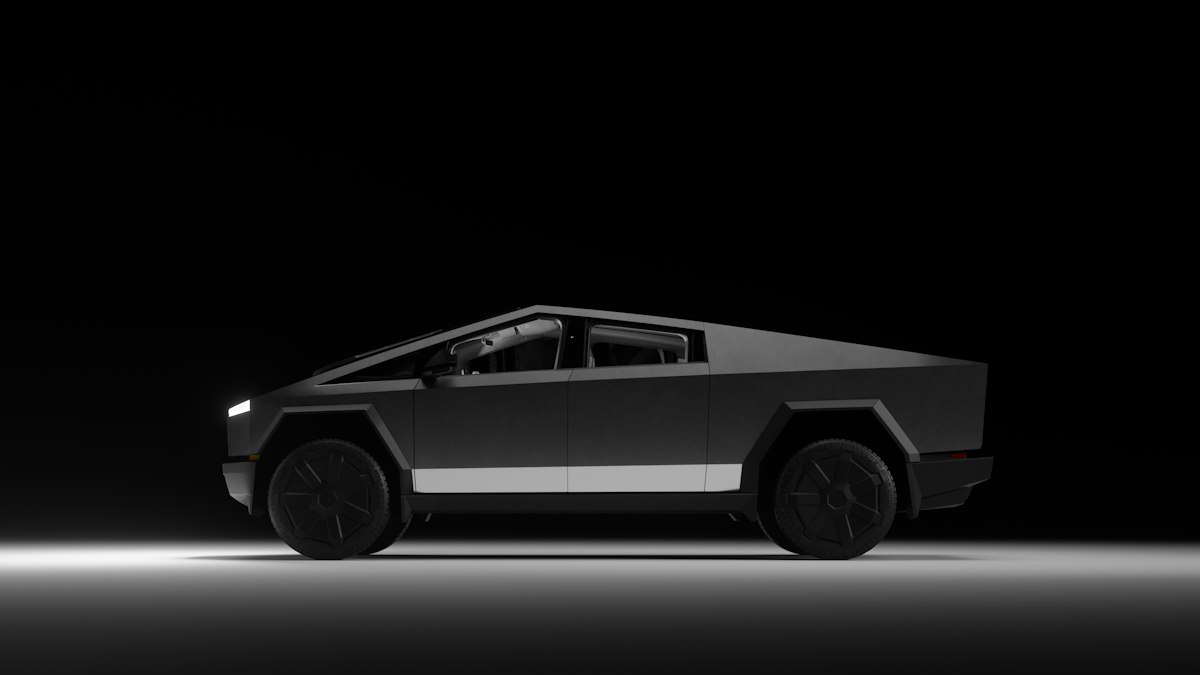
ZET SCALE just placed the biggest electric truck order this country has ever seen. The Zero-Emission Truck Shipper-Carrier Alliance Leading Electrification, better known as ZET SCALE, has secured commitments from its members to buy 2,500 battery electric Class 8 trucks. Most of them will come from Tesla.
That number should stop you for a second. It equals the total number of battery electric Class 8 trucks on US roads today. This single order equals the total number of battery electric Class 8 trucks on US roads today.
What Exactly Just Happened
ZET SCALE is an offshoot of Catalyst Mobility, the group formerly known as CALSTART. The Smart Freight Center is a partner, and so are Microsoft and PepsiCo. The whole point is simple: pool buyers together, offer manufacturers one giant order, and get a lower price than any single fleet could negotiate alone.
Every Class 8 truck manufacturer in North America got an invitation to bid. Tesla won the primary spot.
“After evaluating price, range, charging capability, and production capacity, the Alliance selected Tesla as its primary OEM for the initial 2,500 trucks,” ZET SCALE said.
Kenworth, Volvo, and RIDE will supply the rest. The trucks will roll out across ten freight hubs in the coming years.
Where These Trucks Are Headed
- Los Angeles, Stockton, and Bakersfield, California
- Seattle/Tacoma, Washington
- Houston, Dallas, and San Antonio, Texas
- Chicago, Illinois
- Atlanta, Georgia
- The Newark/New York area
Notice the pattern. Ports, rail yards, warehouse corridors. The exact places where diesel exhaust hits neighborhoods hardest.
Delivery timing? Not announced yet. So if you are waiting on a firm date, keep waiting.
Why the Money Guys Matter Here
Here is the part most people skip. Buying the truck was never the hard part. Financing it was.
ZET Financial places the orders. It runs the ZET Lease program, and that program is built to pull residual value risk off fleet balance sheets, which means fleets don't have to worry about what a used electric truck is worth in the future.
Michael Berube, CEO of Catalyst Mobility, nailed why that matters.
“You can have good technology and still not have a market,” Berube explains. “What is different about ZET SCALE is that the demand was organized so manufacturers could price at scale. That is how costs move, and that is how clean trucks leave the pilot phase.”
Christoph Wolff is CEO of the Smart Freight Center. He added that every company used to face this transition alone. But ZET SCALE spreads the risk across shippers, carriers, manufacturers, and financiers, and it does that instead of dumping that risk on one player, which means it's not one company carrying everything by itself anymore. They're sharing it.
Real talk: that is the whole ballgame. Shared risk is what gets fleets to sign.
California Moves at the Same Time
The same week, California approved SB 1213. The bill is designed to bring price transparency and accountability to the state's zero-emission medium and heavy duty truck market.
State senator Eloise Gómez Reyes sponsored it. Her point is straightforward.
California is putting real money into our clean transportation future, and taxpayers and fleet operators deserve to know those investments are paying off, Reyes said.
The bill directs the state to explore alternative financing models. That includes low cost loans. And it includes residual value guarantees. Seven states, California included, have released guidelines for electric truck price data reporting, and they've done so even though it's not clear yet how those guidelines will work in practice, which means we've got a patchwork of rules that don't line up.
So what does this actually mean for you? If you drive, breathe, or live near a freight corridor, cleaner trucks mean cleaner air, and that's a fact you can't ignore. And if you run a fleet, the financing tools just got more real. That's the bottom line.
The Cost Gap Nobody Wants to Say Out Loud
Here is the uncomfortable math. A new electric Class 8 truck runs about $400,000. A diesel equivalent runs about $180,000. That gap is not small. It is more than double.
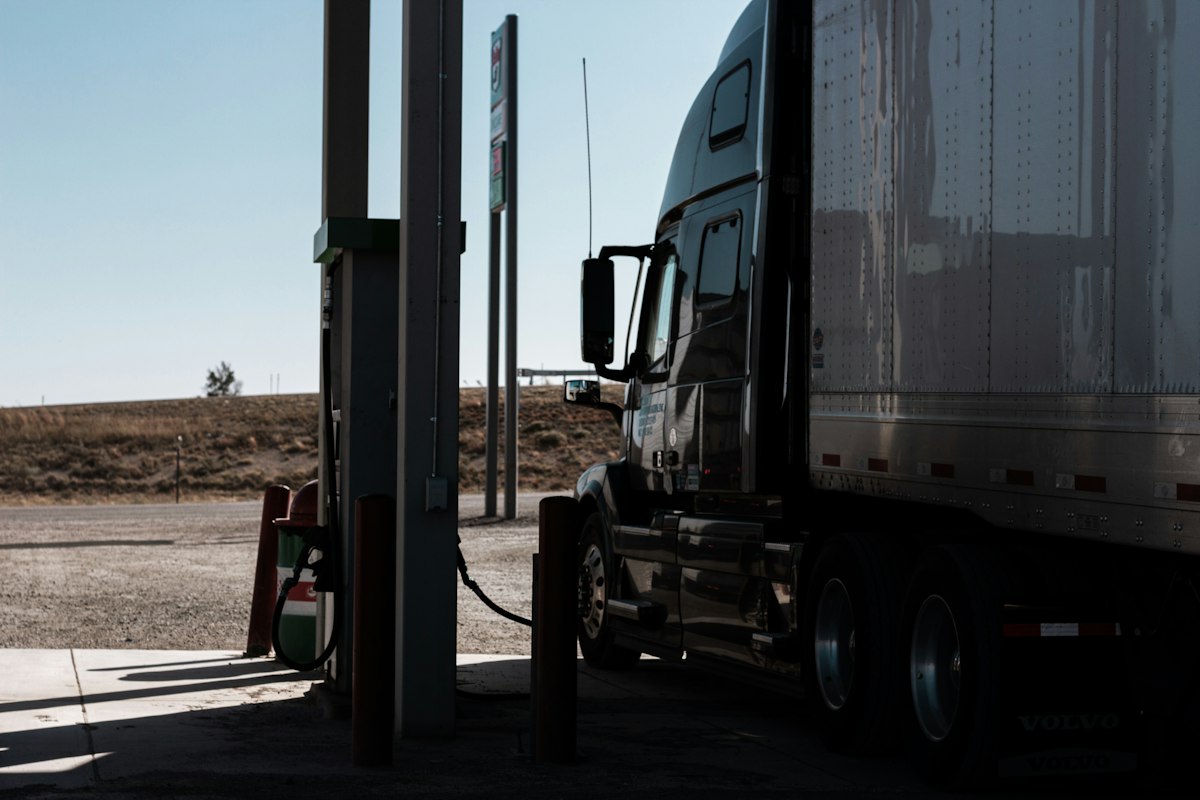
It's true. Total cost of ownership does favor electric trucks today, because diesel fuel is expensive. But fleet operators think in years, not weeks. If they believe the diesel crisis sorts itself out, and that belief holds firm across boardrooms and depots alike, then they sit still. They don't move.
Electric truck prices in Europe dropped 27 percent in recent years while US prices climbed 32 percent. Same technology. Opposite direction.
Part of that gap comes down to competition. Chinese manufacturers like Sany build cheaper electric trucks, and BYD had a big presence at this year's IAA Transportation show in Hannover. There are no Chinese electric trucks in the US market.
Policy helps. Competition would help more.
Tesla's Growing Order Book
Tesla is not new to this. The company recently landed an order for 500 Semis from Einride, plus 50 more trucks from IMC Logistics. The Einride deal includes Standard Range Semis for port work and Long Range Semis for Southern California to inland warehouse routes.
Dan Priestley, who heads the Tesla Semi program, said the ZET SCALE goals take the operational cost advantage of electricity and amplify it at scale.
“We are proud to have been the primary selection in this RFP and look forward to giving shippers and carriers a new competitive edge,” Priestley said.
One thing nobody knows yet: whether ZET SCALE actually negotiated a lower purchase price on those Tesla Semis. No information on that has been released.
The Verdict
ZET SCALE wants 10,000 heavy duty electric trucks on North American highways as fast as possible. This order is the first real step. It will not change what you pay at the dealership. It probably will not change your commute next month.
But it changes the math for the industry. Bulk demand. Shared risk. Real financing. That is how a pilot project becomes a market, and that is how the whole thing starts to move, because you can't build a market on one-off deals and good intentions alone, and you can't get real financing without shared risk, and you don't get bulk demand without all three of those pieces fitting together in a way that makes the numbers work for everyone involved. Watch the ten hubs. That is where this gets proven.
Frequently Asked Questions
What is ZET SCALE and what order did it place?
ZET SCALE stands for the Zero-Emission Truck Shipper-Carrier Alliance Leading Electrification, and it is an offshoot of Catalyst Mobility, the group formerly known as CALSTART. It has secured commitments from its members to buy 2,500 battery electric Class 8 trucks, which equals the total number of such trucks on US roads today.
Why did ZET SCALE select Tesla as its primary OEM?
ZET SCALE said it selected Tesla as its primary OEM after evaluating price, range, charging capability, and production capacity. Tesla won the primary spot for the initial 2,500 trucks, while Kenworth, Volvo, and RIDE will supply the rest.
How does the ZET Lease program address the financing challenge for fleets?
ZET Financial places the orders and runs the ZET Lease program, which is built to pull residual value risk off fleet balance sheets. This means fleets do not have to worry about what a used electric truck is worth in the future, freeing them from that burden.
Where will the 2,500 electric trucks be deployed, and what pattern do these locations follow?
The trucks will roll out across ten freight hubs in Los Angeles, Stockton, and Bakersfield, California; Seattle/Tacoma, Washington; Houston, Dallas, and San Antonio, Texas; Chicago, Illinois; Atlanta, Georgia; and the Newark/New York area. These locations follow a pattern of ports, rail yards, and warehouse corridors, which are the exact places where diesel exhaust hits neighborhoods hardest.
What is the cost difference between a new electric Class 8 truck and a diesel equivalent, and how have prices trended in Europe versus the US?
A new electric Class 8 truck runs about $400,000, while a diesel equivalent runs about $180,000, a gap that is more than double. Electric truck prices in Europe dropped 27 percent in recent years while US prices climbed 32 percent.

Dominic Fischer writes about cars and the future of mobility, covering everything from new launches to charging infrastructure. He follows how the way we drive is changing and what comes next on the road.
💬 Comments (0)
No comments yet. Be the first!