What Is climate-hushing and Why It Fails
A new study reveals that climate-hushing, or avoiding climate talk in campaigns, misses an opportunity to motivate voters.
Climate-hushing is leaving Democratic candidates on the sidelines
Climate-hushing is the unofficial playbook in political strategy circles ahead of the 2026 midterms. Some advisors tell candidates to dodge the subject entirely. That advice is getting harder to sell, though, because the environment isn't playing along with the script, and the proof is burning, smoking, and smothering communities right now, so the old calculus just doesn't hold up anymore. Record heat waves are scorching the country. Canadian wildfire smoke is choking the air, and these consequences aren't distant now, they're visceral and immediate in a way that's tough to spin away. In Washington state, the reality hits even closer, as three wildfires have ripped through Spokane County, consuming over 600 buildings and forcing thousands to flee their homes, and that number can't be ignored. It's stark.
The health impact of a warming world
Public health is shifting with the climate. And research published in the journal Frontiers in Environmental Health shows that the increase in wildfire smoke over the last 16 years has effectively offset health gains made by reducing pollution from industry and transportation, a quiet erosion of hard-won progress. Expectant mothers are particularly vulnerable, with studies identifying a rise in low birthweight and pre-term births linked to wildfire smoke exposure; that's a stark, avoidable toll. But the conversation remains sidelined in political messaging. It can't stay that way.

Evaluating the case for silence
Political advisors often point to three specific claims to justify the avoidance of climate topics, and those claims have become something of a mantra in backrooms and briefing memos alike. They argue voters prioritize other issues. They say the language is too polarizing. And they warn that mentioning the topic will cost candidates votes. But it's not what they think. Recent surveys of 3,500 adults conducted this summer provide a different perspective on these assumptions, one that undercuts the very foundations of that cautious calculus, and the data flips the old script entirely. So the mantra doesn't hold.
- Climate change ranked 12th out of 15 issues, confirming it is not a top priority for the general electorate.
Market Context: According to a June 2024 survey by the Yale Program on Climate Change Communication and the George Mason University Center for Climate Change Communication, global warming ranked as the 19th most important issue out of 28 for registered voters.
- Framing policies as clean energy or air quality versus climate change did not change support levels, suggesting the policy mechanism matters more than the label.
- Climate supporters are highly motivated, and emphasizing the topic actually increased candidate support rather than diminishing it.
Why supporters are more motivated
The gap between those who care and those who oppose is stark. Supporters rated climate's influence on their vote at nearly 75 out of 100, while opponents scored it under 38, a 37-point chasm that suggests ignoring the issue could backfire for candidates hoping to fire up their base. So the data shows voters reward politicians who actually address these worries. It's a clear signal. Candidates can't afford to stay silent.
Popularity of specific solutions
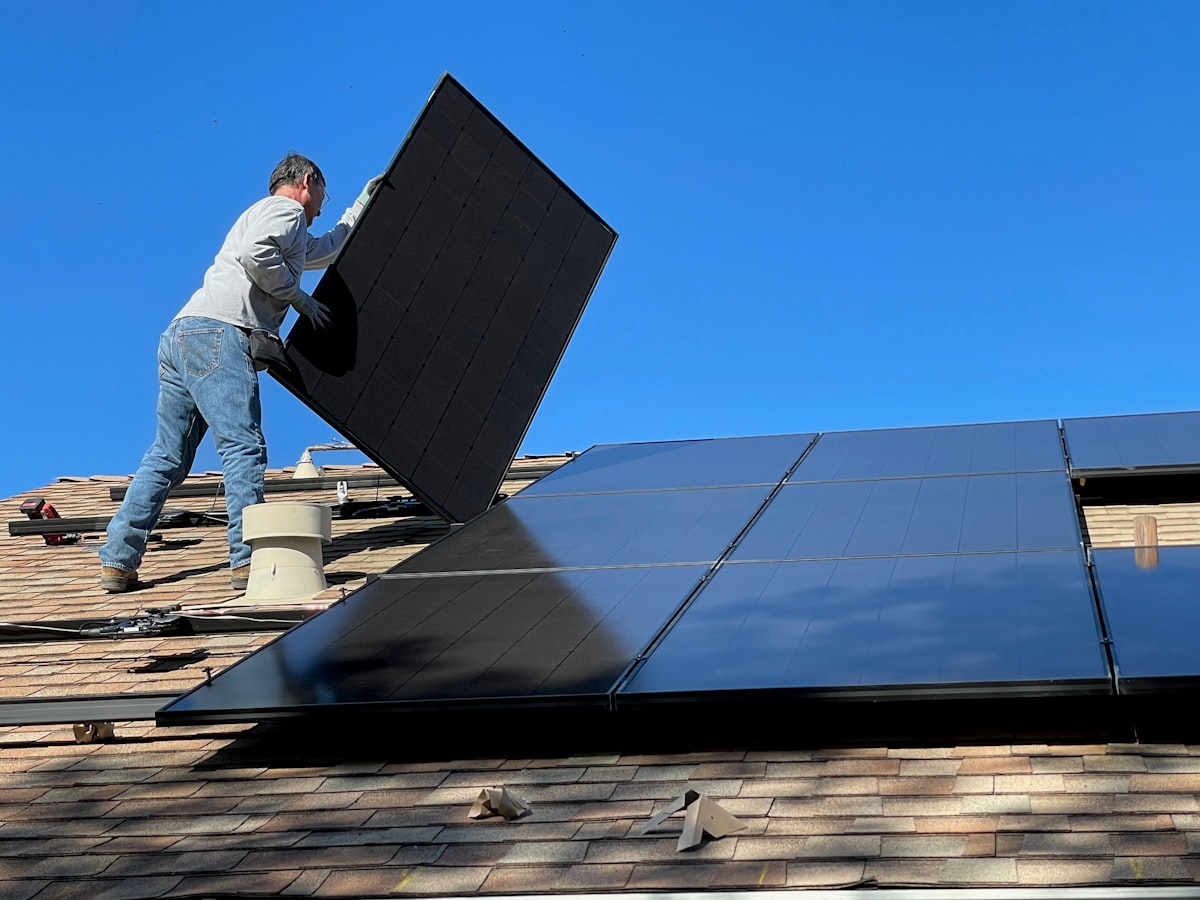
The conversation shifts from abstract labels to tangible tech. That's when the political outlook brightens. Voters show broad, non-partisan support for specific decarbonization tools, including rooftop solar, large solar farms, onshore wind, and heat pumps, and this support doesn't waver across party lines. So focusing on these popular technologies lets candidates ground their messaging in real solutions. It's a rare win. These solutions resonate across the political spectrum, and that's a powerful thing for any campaign to seize, because they turn divisive rhetoric into concrete choices that people can see on their own roofs and in their own fields. But the key is sticking to the specifics.
"Climate supporters and opponents were sharply mismatched. Supporters rated the pull of climate on their vote at nearly 75 out of 100. Opponents rated it as under 38 out of 100, a gap of 37 points," according to the researchers who conducted the survey.
Looking toward the next election cycle
The decision to avoid the subject leaves a clear opening for candidates to address broader economic anxieties through the lens of environmental action. It's a gap politicians could seize. By linking climate solutions to cost of living, energy security, and public health, they can turn a perceived liability into a central plank of their campaigns, and the evidence suggests voters are looking for solutions that address their immediate concerns. So they're willing to support candidates who provide them. But that's the catch.
Frequently Asked Questions
What is climate-hushing according to the article?
Climate-hushing is described as the unofficial playbook in political strategy circles ahead of the 2026 midterms, where some advisors tell candidates to dodge the subject of climate entirely. The article notes that this advice is getting harder to sell because environmental consequences are now immediate and visceral, such as record heat waves and wildfire smoke.
Why does the article say the case for silence on climate issues fails?
The article states that political advisors often justify avoidance with claims that voters prioritize other issues, the language is too polarizing, and mentioning the topic will cost votes. However, recent surveys of 3,500 adults this summer undercut these assumptions, showing that climate supporters are highly motivated and emphasizing the topic actually increased candidate support rather than diminishing it.
How did the survey data show voter motivation differs between climate supporters and opponents?
The survey revealed a stark gap: supporters rated climate's influence on their vote at nearly 75 out of 100, while opponents scored it under 38, a 37-point difference. This suggests that ignoring climate could backfire for candidates hoping to fire up their base, as voters reward politicians who address these worries.
What specific solutions does the article mention as having broad, non-partisan support?
The article mentions that voters show broad, non-partisan support for specific decarbonization tools, including rooftop solar, large solar farms, onshore wind, and heat pumps. This support does not waver across party lines, and focusing on these technologies allows candidates to ground their messaging in real solutions that resonate across the political spectrum.
According to the article, what opening does avoiding climate topics leave for candidates in the next election?
The article says that avoiding climate leaves an opening for candidates to address broader economic anxieties through the lens of environmental action. By linking climate solutions to cost of living, energy security, and public health, they can turn a perceived liability into a central plank of their campaigns, as evidence suggests voters are looking for solutions that address their immediate concerns.

Sebastian Wolf reports on the car industry, from performance machines to the engineering that powers them. He is fascinated by how manufacturers balance tradition with the rapid move to electrification.
💬 Comments (0)
No comments yet. Be the first!