Is Elon Musk's Tesla Cybercabs Bet Too Big?
Tesla Cybercabs are Elon Musk's latest "biggest gamble." He plans to end Cybertruck production to make robotaxis, currently in U.S. trial stages.
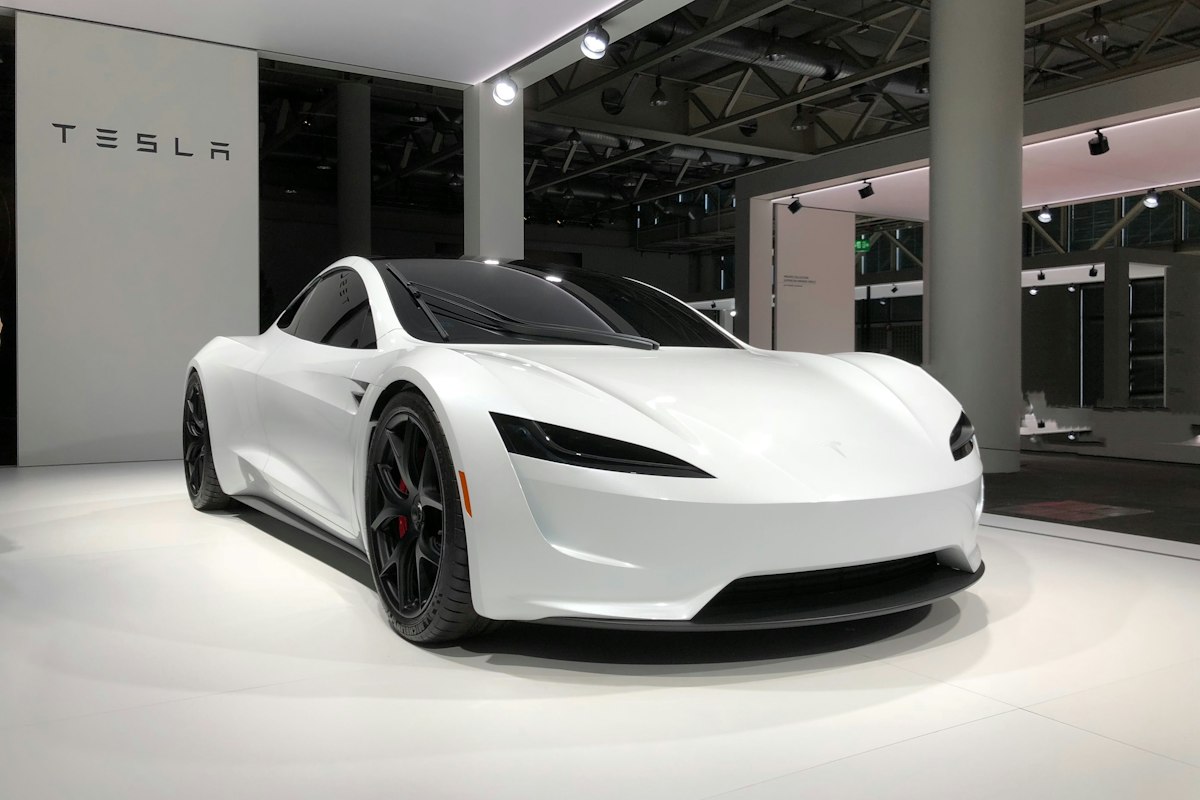
Is Elon Musk’s latest gamble with Tesla Cybercabs too much, too soon? The visionary CEO of the world’s biggest electric vehicle maker is known for his bold moves, and without taking big chances, Tesla wouldn't be where it's today. Think about it. So look at the Model 3 and Model Y, which were massive bets that paid off big time for drivers everywhere.
Musk is upping the ante. He's shifting his production focus from one ambitious project to another, and it's a move that could change how you get around in the future. So, are we talking about another game-changing success, or a high-stakes roll of the dice?
The Great Production Pivot
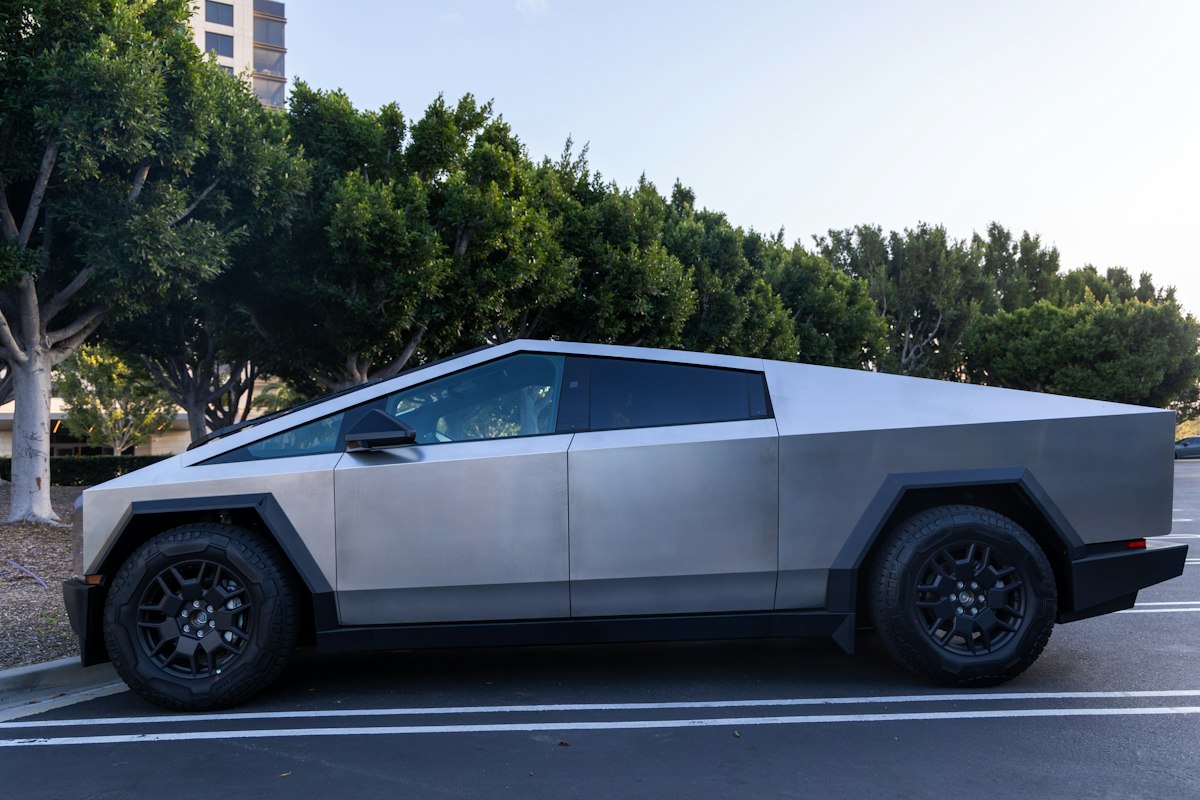
Tesla is ending Cybertruck production. Whispers suggest that it's heading back to the company's original factory in California, though we've heard no official word on the move from Austin. Why move? And so, with operations at the massive Texas plant shifting, we can't help but wonder if this change signals a major transition for the brand's production strategy.
Musk craves that Austin capacity. So he plans to use the facility to build more Cybercabs, the self-driving robotaxis he has been discussing for five years or even longer. He’s obsessed. For over half a decade, he’s been pitching this specific future where cars drive themselves, effortlessly picking you up and dropping you off at your chosen destination.
These self-driving coupes are already out there, in trial stages across several U.S. cities. But to get a full, massive fleet approved and operating? That’s the real hurdle. Musk is wagering that by pumping out more Cybercabs and getting them on the road, he'll finally secure those key approvals. It’s a classic "build it and they will come" strategy, but with regulatory bodies holding the keys.
What Does This Mean for You, the Driver?
The focus is clearly shifting. So what does this production shift actually mean for your daily commute or your next vehicle purchase if you were eyeing a Cybertruck and this news feels a bit like a curveball? If you're a current Tesla owner already familiar with the company's "Full Self-Driving" system, you know the journey is ongoing.
Full Self-Driving, at $99 a month, is already a major gamble for owners making that monthly commitment. It's technology that's still evolving. But leaping to a full-blown robotaxi service that doesn't even need a driver is a whole different ballgame, impacting the very idea of car ownership for some and raising safety and convenience questions for others.
Cut through the noise. This isn't just a factory change. But it's about betting on a future where you might hail a self-driving car instead of driving your own, a vision that promises convenience while demanding trust in advanced technology that's unproven at scale.
One commenter put it bluntly, highlighting the financial aspect of such a massive undertaking:
Elon has money to burn, 446 million is pocket change for him. Seems he has money to burn on the Cybercab as well. Doubt this robocab will make a profit.
That's direct talk. And many drivers are thinking it, asking whether this is a smart investment in the future or if it's a gamble that might not pay off for anyone but the company's investors.
The Road Ahead for Self-Driving Tech
The push for widespread Tesla Cybercabs faces some serious real-world questions. Think about:
- Regulatory Hurdles: Getting blanket approval for a massive fleet of driverless vehicles in multiple cities is a huge challenge. Each city, each state, has its own rules.
- Public Trust: Will everyday drivers and riders feel safe in a car with no human behind the wheel? Overcoming skepticism is a big part of the battle.
- Infrastructure: Can our roads and digital infrastructure handle a constant stream of robotaxis?
Musk is known for pushing boundaries. He's done it before. But turning a trial program into a dominant transportation method requires more than just building the cars, because it requires a societal shift and a lot of regulatory green lights. This isn't just about vehicle production. It's about navigating complex legal and public perception landscapes.
Is It Worth Waiting For?
Drivers wonder about the timeline for Cybercabs. It's a mystery. And when they’re finally a common sight on our roads, we’ve got to ask if they’ll truly be a better option than owning your own car or using existing ride-sharing services, given the complex variables of cost, convenience, and safety that will inevitably shape our daily commutes. The technology is intriguing, promising a future of effortless, hands-free travel.
But here's the catch. The transition from "trial stages" to a "massive fleet" isn't ever simple.
The Verdict: A High-Stakes Wager
Elon Musk's bet on Tesla Cybercabs is audacious. It is a calculated move that prioritizes a futuristic vision over current production commitments, which leaves investors wondering if it is a stroke of genius or simply putting the cart before the horse. It's a gamble. But the road to a driverless future is paved with big risks and even bigger questions for all of us behind the wheel, or, soon enough, just riding along.
Frequently Asked Questions
What is the primary reason behind the shift in production at Tesla's Texas plant?
Elon Musk plans to utilize the Austin facility to build more Tesla Cybercabs. This shift indicates a change in the brand's production strategy as the company moves away from Cybertruck production.
Why does Elon Musk believe that producing more Cybercabs will help the company?
Musk is wagering that by pumping out more Cybercabs and getting them on the road, he will finally secure the necessary regulatory approvals. He is employing a 'build it and they will come' strategy to overcome the hurdles of operating a massive fleet.
What are the significant challenges identified for the widespread adoption of Tesla Cybercabs?
The rollout faces regulatory hurdles because each city and state has its own unique rules. Additionally, the company must overcome public skepticism regarding safety and determine if existing infrastructure can handle a constant stream of robotaxis.
How does the transition to a driverless robotaxi service differ from the current 'Full Self-Driving' system?
While Tesla owners are already familiar with the evolving $99 a month 'Full Self-Driving' system, a robotaxi service that requires no human driver is a much larger change. This shift impacts the fundamental concept of car ownership and raises new concerns regarding convenience and safety.
What is the current status of the Tesla Cybercabs technology mentioned in the article?
The self-driving coupes are currently in trial stages across several U.S. cities. However, the timeline for when these vehicles will become a common sight on the roads remains a mystery.
Dominic Fischer writes about cars and the future of mobility, covering everything from new launches to charging infrastructure. He follows how the way we drive is changing and what comes next on the road.
💬 Comments (0)
No comments yet. Be the first!