Jungheinrich EFG forklift Launches in Asia
German brand launches the Jungheinrich EFG forklift series for Asian industrial warehouses in 1.6 to 3-ton classes.
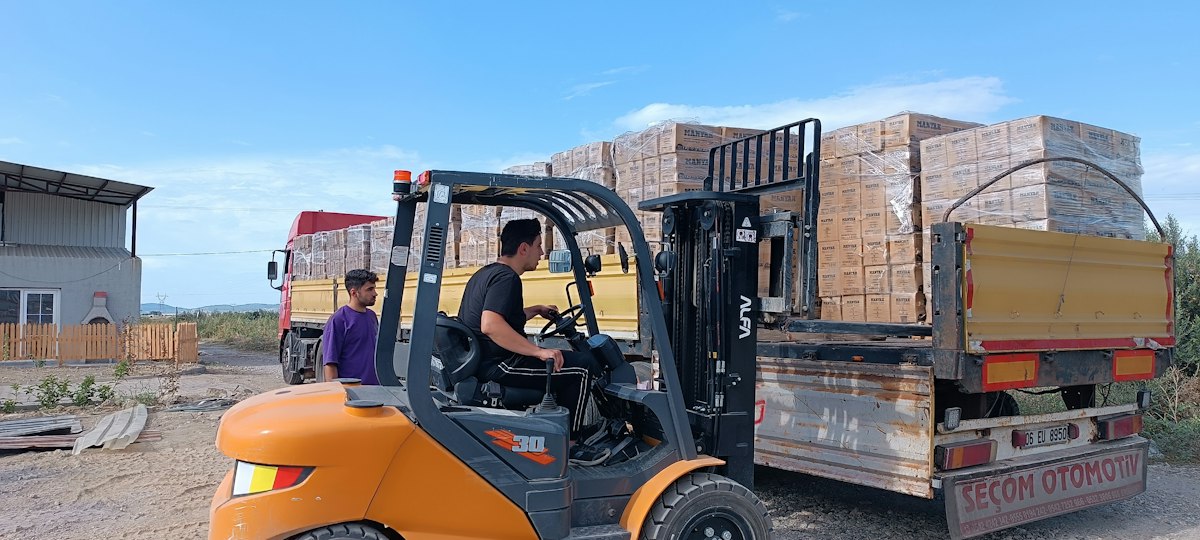
Jungheinrich EFG machinery is making a strategic push into Asian industrial markets with a new line of 1.6 to 3 ton class electric counterbalance forklifts. They're compact. And the next-generation EFG MB and MC series give businesses the flexibility to match vehicle performance directly with operational requirements in factories across the region, while it's clear they're built for tight warehouses.
European equipment brands struggled. For a long time, they couldn't penetrate Asian material handling sectors, primarily because operating environments in the region feature uniquely tight layouts and high shift demands that simply don't ease up. So, the manufacturer built a specific lineup. It's clear they aim to secure a stronger position in high-density industrial hubs.
Tailoring Performance for Demanding Facilities
Operators can configure these machines. They're configured around daily workloads, specific warehouse layouts, and driver preferences because companies operating in cramped indoor spaces don't require the same capabilities as those moving heavy loads across large distribution hubs. Adapt them. So, rather than forcing a single blueprint onto every facility, the strategy centers on customizable options for power and handling.
Operational flexibility remains a central focus of the rollout. Industrial facilities can select between two distinct performance packages, balancing power output against operational demands.
- Everyday handling package: Prioritizes energy efficiency for standard warehouse material movement.
- High-throughput package: Delivers extra driving and lifting muscle for heavy loads, coming standard on 2.5 to 3.0 ton models.
- Battery options: Choice of lead-acid or lithium-ion setups offering 346 Ah or 690 Ah capacity.
- Energy recovery: Built-in regenerative braking technology that reclaims up to 30% of energy during stopping and load lowering.
- Drive choices: Available in both three-wheel and four-wheel electric configurations.
Match the truck. And by matching the truck to the task, businesses don't pay for unnecessary capacity, while it's ensured that heavy duty environments receive sufficient power to maintain throughput targets.
Inside the Machine Strategy
Energy management forms the core of the new lineup strategy. Extending run time's critical. It's especially true between charging sessions for multi-shift facilities. And regenerative braking plays a massive role here, capturing kinetic energy whenever an operator slows down or lowers a pallet, feeding that power right back into the system.
Customization reaches the operator environment. Facilities can now equip these trucks with fingertip control systems, a larger 4 inch digital display, upgraded LED lighting packages, and Advanced Driver Assistance Systems. They're adjustable. Because cabin and seating layouts aren't rigid, they're fully adaptable to maintain driver comfort across long, grueling shifts, ensuring that each operator stays focused and productive throughout the entire workday.
"Different operations have different requirements. With the EFG M series, customers can configure the truck around their application, workload and operators whether they need greater maneuverability for confined warehouse spaces, or a stable, powerful truck for demanding transport and stacking work."
Lisa Jing Xue, Managing Director at the Qingpu Plant in China, emphasized that extensive market research shaped the product line, allowing businesses to purchase the capacity they need today while they're reserving the ability to scale capabilities later. And it's a simple goal.
Visibility and Automated Safety Systems
Visibility remains a critical safety factor in packed industrial spaces. Narrow aisles leave little room for error. To address this, the design incorporates a slim B-pillar and a glass roof, giving drivers a clear line of sight when elevating loads or navigating crowded aisles.
Safety matters. The four-wheel EFG MC variant comes standard with automatic cornering speed reduction, a sophisticated system that automatically scales down momentum when making sharp turns because it's designed to prevent tip-overs. It works.
Integrated Telematics Standard
And because modern fleet management relies heavily on data, every truck in this series includes integrated telematics from day one so fleet managers gain immediate access to critical operational insights. They don't need aftermarket installs.
Data Metrics Tracked
It's monitoring machine utilization data. So, by also assisting with preventive maintenance planning while managing pre-operational safety checklists, the telematics platform's connectivity gives managers a clear picture of equipment health across the entire work site.
Deploying Across Regional Networks
Order books are officially open. But while it's now possible to order both the three-wheel and four-wheel electric models, rolling out new machinery requires a strong support infrastructure to ensure minimal downtime for regional logistics networks.
Quick access is critical. So, to back up the deployment, the rollout is supported by a service network of over 6,000 personnel across the Asia-Pacific region, providing maintenance and parts so supply chains don't stop moving. It's a massive push. This investment in localized support signals a serious effort to establish a permanent, dominant footprint in the region's expanding industrial market.
Frequently Asked Questions
What is the primary objective of the new Jungheinrich EFG forklift lineup in Asian markets?
The manufacturer aims to secure a stronger position in high-density industrial hubs by providing equipment designed for tight warehouses. These forklifts help businesses match vehicle performance directly with their specific operational requirements.
How does the regenerative braking system contribute to the efficiency of the Jungheinrich EFG forklift?
The built-in regenerative braking technology reclaims up to 30% of energy during stopping and load lowering. This captured kinetic energy is fed back into the system, which helps extend run times between charging sessions for multi-shift facilities.
Why are there different performance packages available for the Jungheinrich EFG forklift series?
Different facilities have varying needs, such as the difference between moving standard materials and transporting heavy loads in distribution hubs. By offering an everyday handling package and a high-throughput package, businesses can avoid paying for unnecessary capacity while ensuring heavy-duty environments have sufficient power.
What safety features are included in the design of the Jungheinrich EFG forklifts to assist operators in confined spaces?
The design features a slim B-pillar and a glass roof to provide a clear line of sight when navigating crowded aisles or elevating loads. Additionally, the four-wheel EFG MC variant includes an automatic cornering speed reduction system to help prevent tip-overs during sharp turns.
Who provides support for these forklifts across the Asia-Pacific region following the rollout?
The rollout is supported by a service network consisting of over 6,000 personnel throughout the Asia-Pacific region. This infrastructure provides necessary maintenance and parts to ensure that regional logistics networks experience minimal downtime.

Clara Rossi covers the motoring world, with a focus on electric vehicles, design and the shift toward cleaner transport. She tests the latest models and explains what matters to drivers beyond the spec sheet.
💬 Comments (0)
No comments yet. Be the first!