Waymo Robotaxis No Better for Traffic, Study Finds
Waymo Robotaxis complete 44% of miles empty, similar to Uber and Lyft's deadhead rates, a study finds.
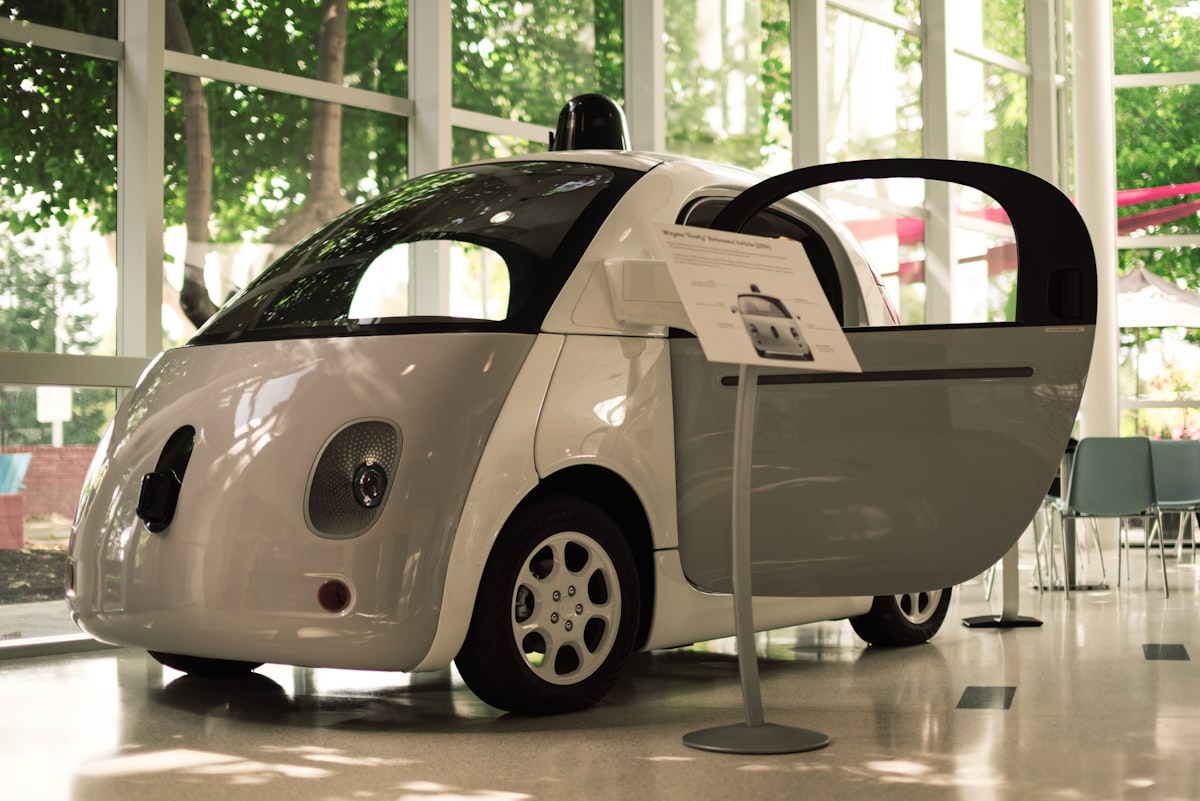
They're no better. According to an analysis of millions of trips across California, Waymo Robotaxis are no better at reducing traffic than the traditional ride-hailing services they were meant to replace. But the findings puncture a long-standing sales pitch for autonomous technology and raise uncomfortable questions about how driverless fleets will actually reshape urban streets.
Over a period stretching from August 2023 through the end of 2025, Waymo’s driverless cars completed 13.8 million trips for 19.3 million passengers. They covered a staggering 86.3 million miles while doing so, expanding their footprint at a rate of roughly 15 percent every month. But behind the rapid growth, a stubborn metric refused to budge: the share of miles driven without a single human rider inside.
Deadhead Miles Hit 44 Percent
Awad Abdelhalim, an assistant director of research at the MIT Transit Lab, combed through Waymo's filings with the California Public Utilities Commission to understand exactly how much of that 86-million-mile odometer was logged by empty vehicles. He found a plateau. But it's strikingly similar to conventional ride-hailing.
Waymo’s robotaxis drove roughly 44 percent of their miles without a passenger;comparable to the 40 percent deadhead rate of Lyft and Uber, effectively erasing any congestion advantage.
That number did not start that way. When Abdelhalim first examined the data, only 36 percent of Waymo’s miles were carrying a paying passenger. Over time, the fleet became more efficient, pushing that figure up to around 56 percent. But the trajectory flattened. The improvement stalled, leaving nearly half of all traveled miles as deadweight on the road.
Two Kinds of Empty Miles
Not all deadhead miles are created equal. The analysis distinguishes between robotaxis cruising aimlessly while awaiting a dispatch and those steering toward a passenger they have already accepted. Waymo has quietly made progress on the second category. The distance driven empty en route to a pickup has been shrinking steadily, and the introduction of freeway service may have helped cut the deadhead miles per individual trip.
That efficiency gain? It's offset. But a separate review of the same CPUC data by Matthew Raifman, who studies policy and autonomous vehicles at UC Berkeley, looked at the period from January 2024 through September 2025 and found the same 44 percent deadhead mark. And his deeper dive revealed that two-thirds of those empty miles came from robotaxis simply driving around waiting to be assigned a customer.
The Plateau That Won’t Budge
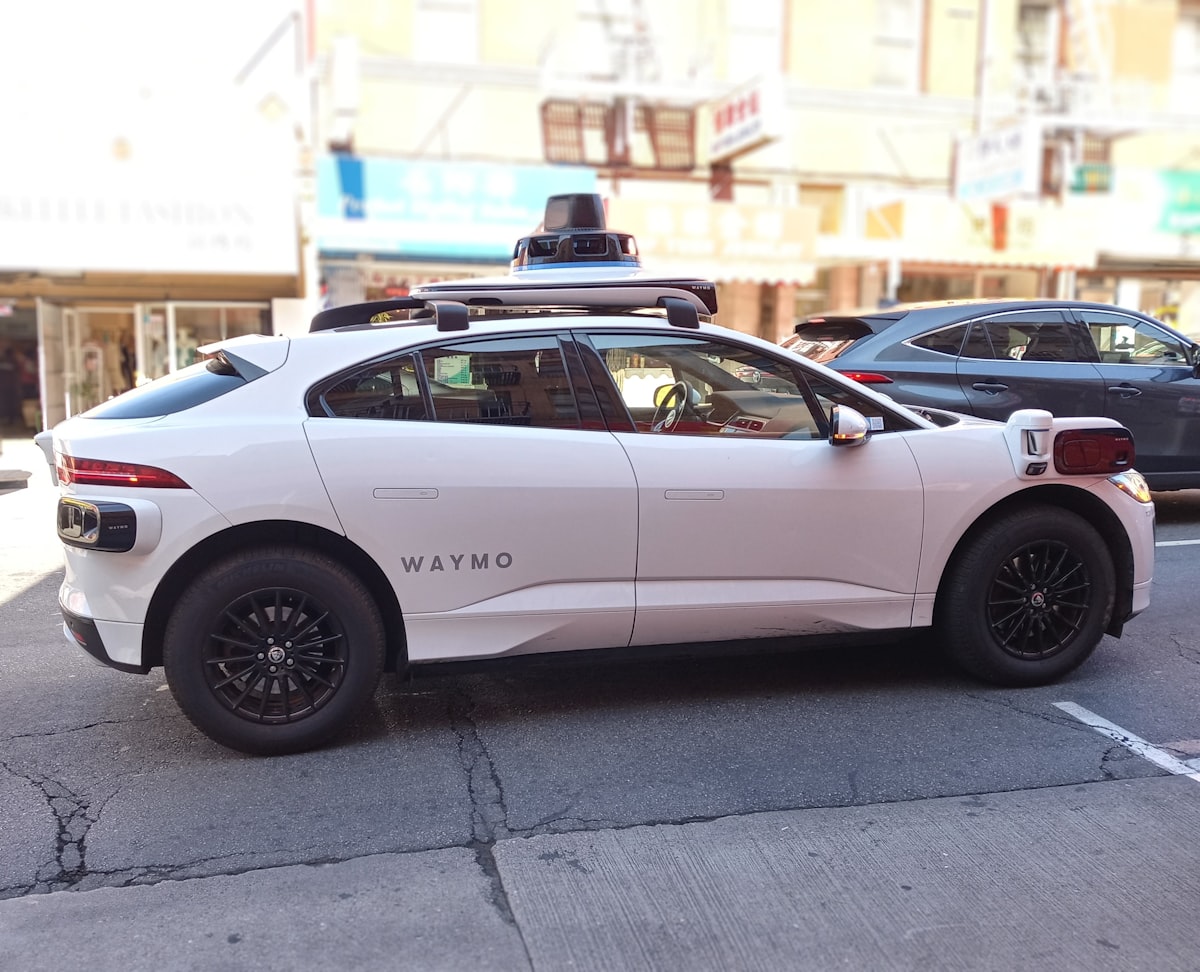
They're empty. But this waiting time turns empty cars into moving obstacles, and on any given trip through San Francisco it's easy to spot the fleet's sensor-laden Jaguar I-Paces and far less common to see a human inside them, and the sheer volume of unoccupied vehicles circulating in dense neighborhoods eats into the very road space the technology was supposed to liberate.
It's a familiar pattern. But for years, the promise that app-based rides would slash car ownership and ease gridlock seduced investors and urban planners alike, and then real-world data showed the opposite, breaking it apart.
Ride-Hailing’s Broken Promise, Repeated
Back in 2014, a team of researchers at MIT published work suggesting ride-hailing could reduce car ownership and thin out traffic. But it didn't happen. Two of those authors later walked back their conclusions as evidence mounted that Uber and Lyft increased vehicle miles and CO2 emissions, and they said low pricing enticed trips people otherwise wouldn't have taken.
Robotaxis now face the same trap. Abdelhalim’s data suggests that if a human-driven ride-hail vehicle spends about 40 percent of its miles empty, and a robotaxi spends roughly the same proportion, there is little practical difference in the congestion they create.
Safety Through an Empty Seat
There's a peculiar statistical footnote that helps explain some of Waymo's safety claims: a robotaxi that is empty more often will, on average, have fewer people inside when something goes wrong. But if the typical occupancy is lower than a ride-hailing vehicle carrying a driver plus a passenger, the expected injury rate per vehicle will appear lower, even if the driving behavior is identical. It's a reminder. Crash figures need careful reading.
What Actually Eats Traffic
The sums are enormous. But pinpointing the source of congestion matters because Waymo raised $16 billion earlier this year, and the broader autonomous sector's absorbed at least $100 billion in investment since the 2010s. Yet the most proven way to shrink the physical footprint of urban movement involves none of that venture capital at all.
Moving the same number of people into buses, trains, and subways dramatically shrinks road space they consume because a bus packed with commuters occupies a fraction of the asphalt that group would use in cars. Rail math's even more compelling. But public transit doesn't come cheap, and the scale of investment it demands rarely matches the hype around self-driving tech.
The Trillion-Dollar Gap
The American Public Transport Association has called for $268 billion in investment over five years, a figure that suddenly looks modest next to the price of a world-class system. A report by Transportation For America puts that target at $4.6 trillion over the next two decades. Compared to the $100 billion dropped into autonomous vehicles so far, the road that actually moves people efficiently remains chronically underfunded.
Data from California says no. But they're making it no better, demanding the same curb space, waiting in the same loops, replicating the same imbalances that ride-hailing already perfected, so the self-driving status quo has newer badges on the doors.
- 13.8 million trips completed during the study period
- 86.3 million total miles driven by Waymo robotaxis
- 44 percent of those miles driven without a passenger aboard
- Two-thirds of empty miles spent simply waiting for a ride assignment
- 40 percent deadhead rate typical for Lyft and Uber rides
Frequently Asked Questions
What percentage of Waymo Robotaxi miles were driven without a passenger, according to the study?
Waymo's robotaxis drove roughly 44 percent of their miles without a passenger, a figure that plateaued over the study period. This means nearly half of all traveled miles were empty, or deadhead, miles.
How does Waymo's deadhead rate compare to that of traditional ride-hailing services like Lyft and Uber?
Waymo's 44 percent deadhead rate is strikingly similar to the 40 percent deadhead rate typical of Lyft and Uber. The article states this similarity effectively erases any congestion advantage that autonomous technology was supposed to provide.
Why might Waymo's safety statistics appear more favorable than they actually are?
A robotaxi that is empty more often will, on average, have fewer people inside when something goes wrong. If the typical occupancy is lower than a ride-hailing vehicle carrying a driver plus a passenger, the expected injury rate per vehicle will appear lower even if the driving behavior is identical.
What does the article identify as the most proven way to reduce urban traffic congestion?
The article states that moving the same number of people into buses, trains, and subways dramatically shrinks the road space they consume. A bus packed with commuters occupies a fraction of the asphalt that group would use in cars, and rail math is even more compelling.
Who analyzed Waymo's filings with the California Public Utilities Commission and found a 44 percent deadhead mark?
Awad Abdelhalim, an assistant director of research at the MIT Transit Lab, combed through Waymo's filings and found the 44 percent deadhead mark. Matthew Raifman, who studies policy and autonomous vehicles at UC Berkeley, conducted a separate review of the same data and confirmed the same figure.

Clara Rossi covers the motoring world, with a focus on electric vehicles, design and the shift toward cleaner transport. She tests the latest models and explains what matters to drivers beyond the spec sheet.
💬 Comments (0)
No comments yet. Be the first!