Ford F-150 Dropping 2.7-Liter EcoBoost, Adding V8s
Dealer order guides indicate the Ford F-150 will replace its 2.7-liter EcoBoost engine with a 3.0-liter unit for 2027.
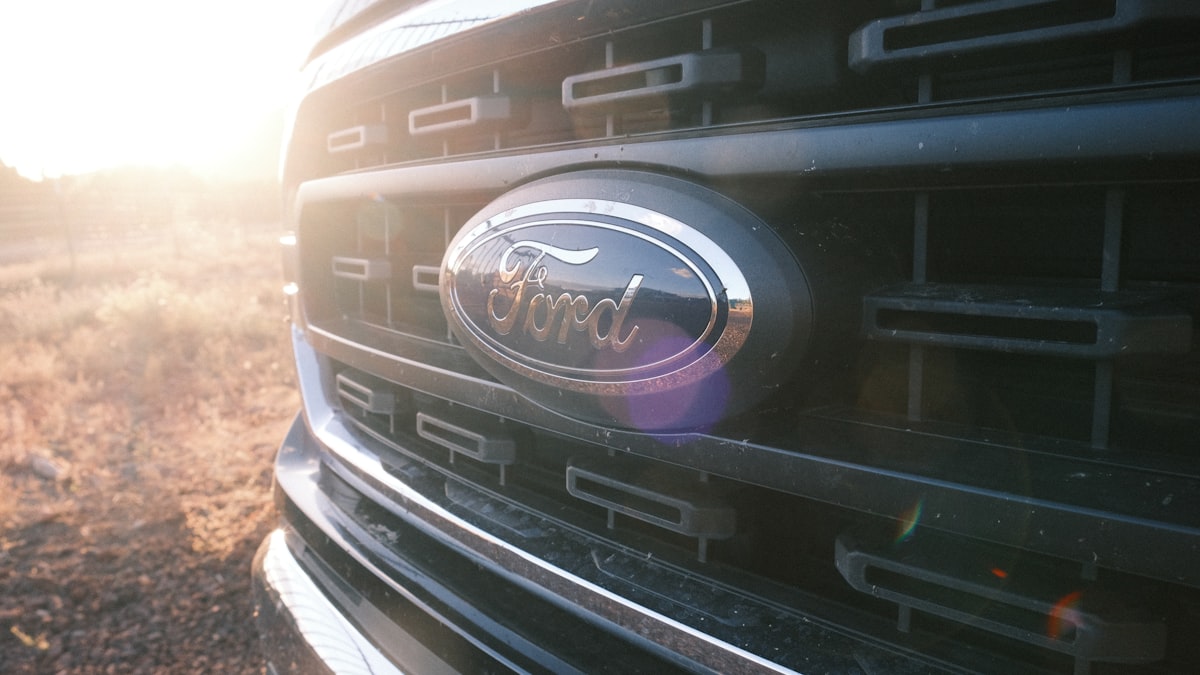
Ford F-150 Dropping 2.7-Liter EcoBoost, Adding V8s
Ford F-150 is dropping the 2.7-liter EcoBoost and adding V8s. That's a major shift for the Blue Oval's best-selling truck, and it changes how the company configures its lineup for buyers who value raw power over fuel efficiency. So starting next year, the mix on dealership lots won't look anything like it does today. It's a bold move. And while the exact engine lineup hasn't been fully detailed, the decision signals a clear pivot toward traditional displacement, one that could redefine the truck's appeal to loyalists and newcomers alike. Don't expect the old options to linger. They're gone.
The 2.7-liter EcoBoost engine is bowing out. It has served as the base engine for some time, but it will be replaced by a 3.0-liter EcoBoost V6. If you were hoping for a simpler engine setup, this might not be the news you wanted to hear.
The New Engine Lineup
The 3.0-liter EcoBoost, identified as unit 99C/EN-YX, is stepping in as the new default. While some enthusiasts might point out that this engine is essentially a bored and stroked version of the outgoing 2.7-liter, the performance figures are higher. You are looking at a bump in power, but with that comes questions regarding long-term reliability for a motor often tuned for performance models.
Here is what you need to know about the engine changes:
- The 3.0-liter EcoBoost is the new standard engine for XL, STX, XLT, and Lariat trims.
- The 2.7-liter EcoBoost, which featured dual injection to help keep valves clean, is officially out.
- The 5.0-liter V8 engine is becoming more widely available across the truck lineup.
- The 3.5-liter EcoBoost and the hybrid PowerBoost remain in the mix.
What This Means For Performance
The outgoing 2.7-liter engine offered 325 horsepower and 400 lb-ft of torque. The replacement 3.0-liter unit bumps those numbers up to just over 400 horsepower and 440 lb-ft of torque. If you prioritize spec sheet bragging rights, the new engine looks like a clear winner. If you prefer the cleaner intake benefits of the old dual-injection setup, the loss of the 2.7-liter is a real shame.
More V8 Options Coming
Here's the catch. Ford is expanding access to its 5.0-liter Coyote V8, and that's a direct counterpunch to the industry's relentless push for smaller, turbocharged motors. So the engine will return to trims like the King Ranch and Platinum, which had previously moved away from the V8 option. But don't expect a quiet surrender. While many automakers shrink engines to meet efficiency goals, Ford's move proves it's betting big on cubic inches. That's a bold play.

This is a smart move for drivers tired of forced induction. Honestly, it's a breath of fresh air. If you want displacement and a traditional engine feel, the 5.0-liter is likely the upgrade you should look for, and that's a compelling reason to consider it over the more complex alternative, especially when you factor in how much simpler it is to live with day after day. So it provides an alternative for those who remain skeptical of the long-term maintenance costs associated with twin-turbocharged V6 engines. They're not easy to ignore. But that's the point.
Is The V8 The Better Choice?
No indication Ford plans to detune the 3.0-liter or boost the V8's output for 2027. The V8 will likely sit as the premium, naturally aspirated option for buyers who simply want more displacement, and it's the path of least resistance if you're worried about the complexities of a turbo system. So that's it.
What To Expect At The Dealer
Look beyond the engines, and you'll spot a genuinely refreshed approach to the F-150 lineup. New variants of the Tremor and Raptor are planned, so expect those off-road machines to get a serious second act, and the Co-Pilot360 and BlueCruise systems are getting updates that'll make highway driving feel a lot less tense. You'll also see fresh wheel options and a brand-new security package. That's a lot of change. But it all adds up to a truck that's ready for everything you can throw at it.
But there's a bigger picture here. And these changes look engineered for one purpose, to go head-to-head with the spec sheets that rivals wave around at every dealership and online comparison tool, giving the brand a fighting chance in the numbers game. Many buyers judge trucks strictly on paper, so that new V6 output will help the brand hold its own in that crowded conversation. It's a calculated trade-off, though. The stronger figures also open a clear door to raise the MSRP across the board, and you can't miss that.
The Final Verdict
Shopping for a new truck? Then you can't ignore the powertrain. The 3.0-liter engine might offer more peak power, but for traditionalists, the real headline is the expanded availability of the 5.0-liter V8, a move that signals a clear nod to those who crave the familiar rumble and straightforward durability of a larger, naturally aspirated workhorse. So decide what matters more: the high-tech, high-boost V6 or the proven reliability of that big V8. It's your call.
Wait for official pricing before you commit. The updates look solid, but the price of entry is almost surely heading in one direction.
Frequently Asked Questions
What is the Ford F-150 doing with its engine lineup according to the article?
The Ford F-150 is dropping the 2.7-liter EcoBoost engine and adding V8s, specifically expanding availability of the 5.0-liter Coyote V8. The 2.7-liter is being replaced by a 3.0-liter EcoBoost V6 as the new standard engine for several trims.
Why is Ford expanding the availability of the 5.0-liter V8 in the F-150?
The article says Ford's move to expand the V8 is a direct counterpunch to the industry's push for smaller, turbocharged motors, betting big on cubic inches. It provides an alternative for buyers who are skeptical of twin-turbocharged V6 engines and prefer traditional displacement.
How do the performance figures of the new 3.0-liter EcoBoost compare to the outgoing 2.7-liter?
The outgoing 2.7-liter engine offered 325 horsepower and 400 lb-ft of torque, while the replacement 3.0-liter unit bumps those numbers up to just over 400 horsepower and 440 lb-ft of torque. This represents a clear increase in peak power.
Who will get the 3.0-liter EcoBoost as the standard engine in the new F-150 lineup?
The 3.0-liter EcoBoost will be the new standard engine for XL, STX, XLT, and Lariat trims. Meanwhile, the 5.0-liter V8 will return to trims like the King Ranch and Platinum, which had previously moved away from the V8 option.

Dominic Fischer writes about cars and the future of mobility, covering everything from new launches to charging infrastructure. He follows how the way we drive is changing and what comes next on the road.
💬 Comments (0)
No comments yet. Be the first!