Ship Air Lubrication Is Real, But Air Isn't Free
Ship air lubrication is deployed on hundreds of vessels. Scavenge-air systems cut the compressor penalty on large fuel-burning ships.
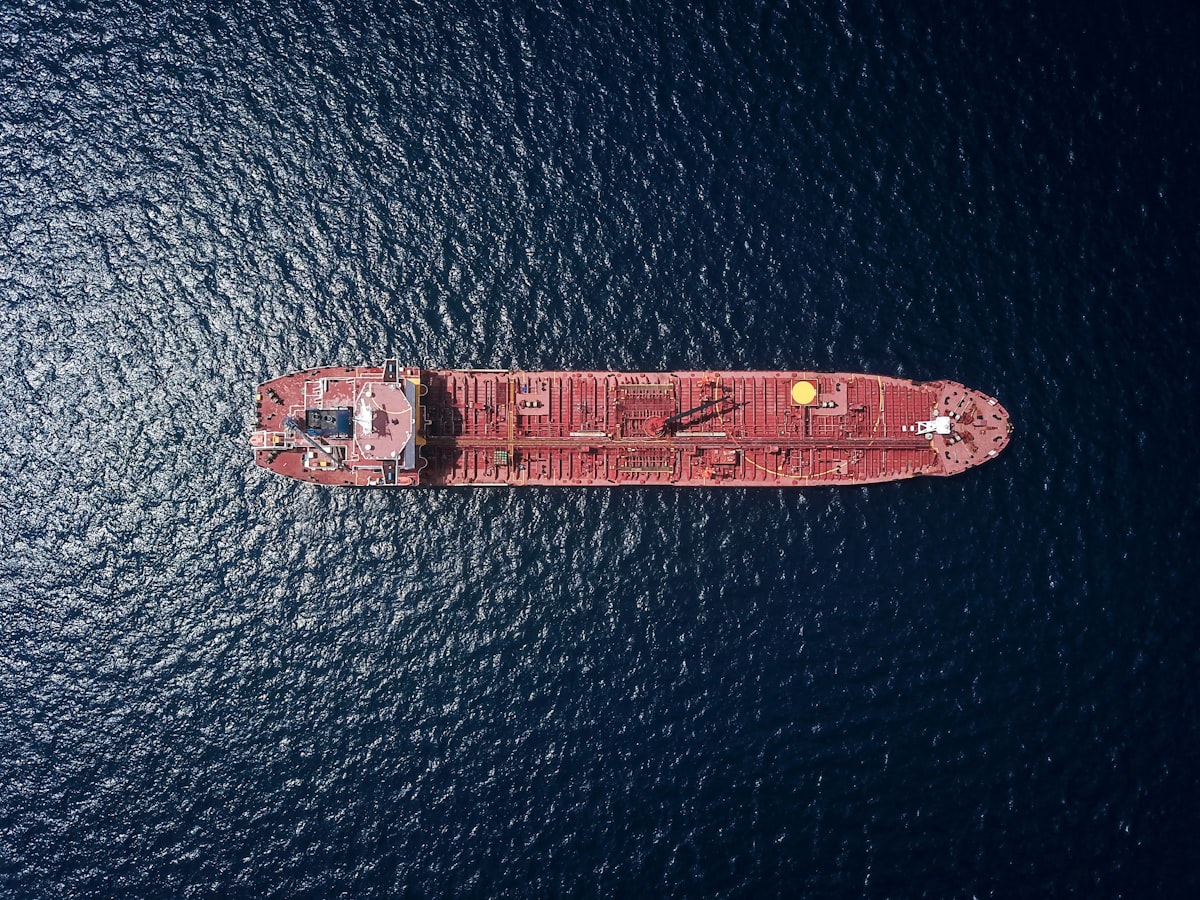
Ship air lubrication has been around long enough to shed its novelty label. The concept is straightforward: push air beneath a hull, create a bubble or air layer between steel and seawater, and the ship glides through with less friction. Less friction means less propulsive power. Less power means less fuel. The physics are not in dispute. What has always been in dispute is whether the energy spent making and delivering that air cancels out the gain.
The Compressor Penalty Nobody Talks About
Conventional systems rely on dedicated compressors, motors, electrical drives, piping, controls, and carefully designed hull outlets. All of that equipment draws power. The gross drag reduction is not the number that belongs in a fuel model. What matters is the net figure, after subtracting the compressor load and all the system losses. That net number has been the unglamorous anchor on ship air lubrication economics for decades. It is why the technology did not take over the fleet the moment someone proved bubbles reduce friction in a laboratory.
The question is narrower than most public discussion admits. After a ship spends energy compressing air, moving it through ducts, and controlling its release, is there still a real fuel saving left over?
Scavenge Air Changes the Arithmetic
Everllence and Silverstream have proposed an approach that tries to answer that question differently. Instead of bolting on separate electrically driven compressors, their engine-supported concept taps scavenge air from the main engine. Scavenge air is pressurized intake air inside the engine's breathing system before combustion. It is not exhaust. It is not a waste stream. It clears exhaust gases from the cylinders and supplies combustion air. The clever part is obvious. The free part is not.
The compression work still exists somewhere in the engine and turbocharger system. The ship pays the penalty, just through a different meter.
The engineering question is practical and vessel-specific. Does drawing from the scavenge-air system impose a lower all-in fuel penalty than running dedicated compressors across real speeds, draughts, sea states, engine loads, fouling conditions, and maintenance intervals? That calculation depends on the ship, the route, and the operator willing to run it honestly.
The 3.5 Percent Figure
The reported estimate for the engine-supported approach is a net fuel saving of about 3.5 percent. That is a modest number, and modesty is usually a good sign in this space. It is large enough to matter on ships with high fuel bills and rising carbon exposure. It is not large enough to treat as a substitute for the rest of maritime decarbonization. A 3.5 percent net saving on the right vessel is worth having. It is not transformational.
Silverstream has moved well beyond the conference-slide stage. Substantial orders and dozens of systems are already operating. Industry tracking puts ship air lubrication systems on hundreds of vessels in the live fleet. Adoption has been strongest where the economics are most obvious first: LNG carriers, container ships, and increasingly cruise ships. These are large, fuel-burning, valuable assets with operators and charterers that already pay attention to energy performance.
The Vessels That Fit Best
The best candidates share a profile:
- Large ships with broad, relatively flat bottom sections
- Enough wetted surface area for friction reduction to matter
- Stable draughts and speeds
- High fuel burn and long operating profiles
- Enough remaining service life to justify installation cost
- Routes where low single digit net savings pay back against fuel and carbon costs
If the air does not stay under the right part of the hull, if it detaches too quickly, if the hull form is a poor fit, or if the compression penalty is too high, the benefit shrinks fast. That is normal engineering discipline, not a flaw unique to the technology.
When Electrification Wins Instead
But the comparator matters more than most efficiency discussions acknowledge. Ship air lubrication looks good when compared with doing nothing. Doing nothing is rarely the real choice. Shipowners and charterers also have hull coatings, fouling management, propeller and appendage improvements, slow steaming, weather routing, voyage optimization, wind assist on some routes, shore power, batteries, hybrid-electric architecture, and different fuels to weigh.
For short-sea routes, ferries, harbor craft, inland vessels, and many port-adjacent operations, electrification keeps getting stronger. Batteries, shore power, and route-specific charging do not reduce the fuel bill by a few percentage points. Where they fit, they remove combustion from the operating model entirely. In those segments, air lubrication may still have niche uses, but it is not where the main decarbonization work sits.
The Fossil Cargo Reality
LNG carriers are an obvious early adopter class. They are large, sophisticated, fuel-burning vessels with owners who think carefully about energy performance. But they also sit inside the fossil gas transition. Oil tankers and coal bulkers face the same structural issue more directly. Efficiency retrofits may make excellent sense for vessels that keep operating through the next decade or two. Climate-aligned shipping in 2050 is not simply today's cargo mix with more efficient hulls.
That is the risk in treating early adoption as proof of universal scale. A technology can be commercially real, technically useful, and still bounded by vessel class, cargo durability, route profile, maintenance burden, and the changing shape of maritime demand.
Efficiency in Its Proper Place
Shipping does not need every efficiency measure to be a transition pathway. It needs the right measures applied to the right vessels, with measured performance rather than assumed savings. Engine-supported air lubrication deserves attention because it asks a better engineering question than most public discussion of the technology. It does not ask whether air can reduce drag. Under the right conditions, it can. It asks whether the air can be supplied with a lower parasitic penalty by integrating with the main engine's scavenge-air system.
That is exactly the sort of incremental improvement that can matter in real fleets, especially as fuel and carbon costs rise. The maritime transition will be built from many practical pieces:
- Some routes electrify
- Some ships hybridize
- Remaining fuel demand shifts to sustainable biofuels where possible
- Ports plug in
- Operations get smarter
- Hulls get cleaner
- Propellers improve
Ship air lubrication fits into that world as a useful efficiency measure for the right vessels, especially if scavenge-air integration proves durable in service. It should be counted carefully, applied selectively, and kept in its proper place. An efficiency tool for the fuel-burning remainder, not a primary maritime decarbonization strategy. That is the appropriate level of excitement.
Frequently Asked Questions
What is the basic principle behind ship air lubrication?
Ship air lubrication works by pushing air beneath the hull to create a bubble or air layer between steel and seawater. This reduces friction, requiring less propulsive power and therefore less fuel. The physics of friction reduction are not in dispute.
Why has ship air lubrication not been universally adopted despite proven friction reduction?
The key issue is the 'compressor penalty' — the energy spent making and delivering the air can cancel out the friction gain. The net fuel saving after subtracting compressor load and all system losses has been an economic anchor, preventing universal adoption for decades.
How does the engine-supported scavenge air approach differ from conventional ship air lubrication systems?
Instead of using separate electrically driven compressors, the engine-supported concept taps scavenge air from the main engine's breathing system before combustion. However, the compression work still exists somewhere in the engine and turbocharger system, so the ship still pays a penalty, just through a different meter.
Which vessel types are identified as the best candidates for ship air lubrication?
The best candidates are large ships with broad, flat bottom sections, enough wetted surface area, stable draughts and speeds, and high fuel burn with long operating profiles. The article specifically notes that adoption has been strongest in LNG carriers, container ships, and cruise ships.
What is the reported net fuel saving estimate for the engine-supported ship air lubrication, and how is it characterized?
The reported estimate is a net fuel saving of about 3.5 percent. The article describes this as a modest number that is large enough to matter on ships with high fuel bills and rising carbon exposure, but not large enough to treat as a substitute for the rest of maritime decarbonization.

Clara Rossi covers the motoring world, with a focus on electric vehicles, design and the shift toward cleaner transport. She tests the latest models and explains what matters to drivers beyond the spec sheet.
💬 Comments (0)
No comments yet. Be the first!