Illinois Community Solar Project Opens on Coal Mine
Nexamp and TurningPoint Energy have launched two community solar projects on a reclaimed coal mine site in Woodford County.

Illinois community solar takes root on historic coal site
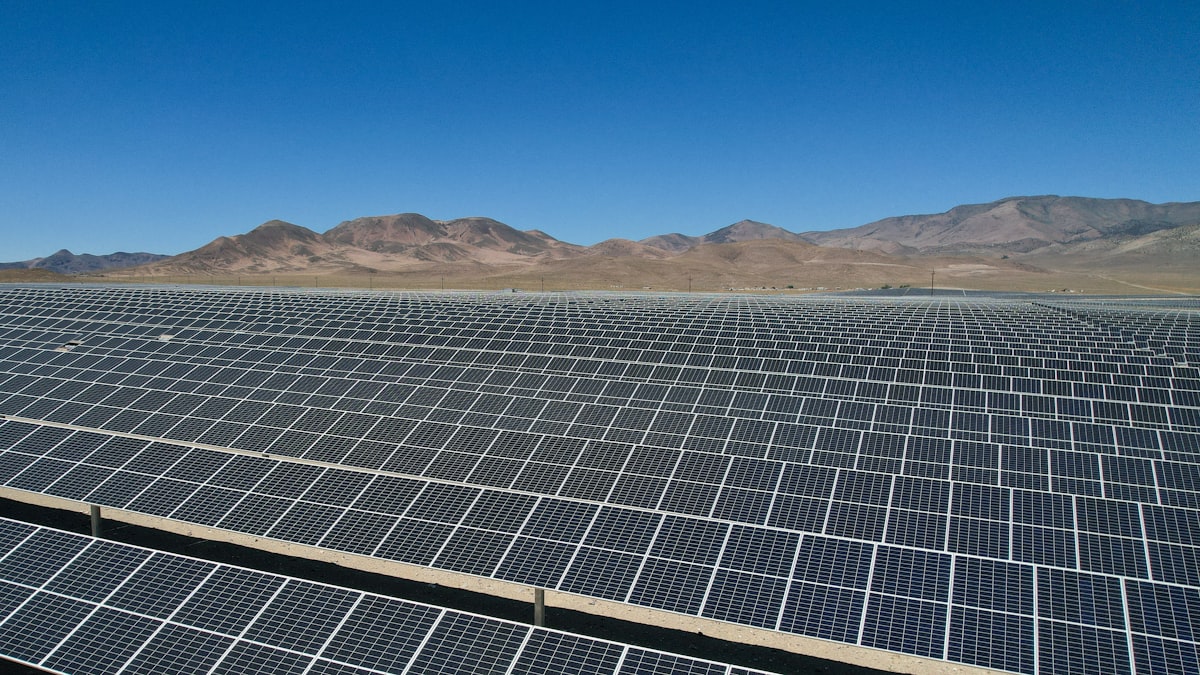
Illinois community solar capacity hit a new milestone this week. Two solar farms officially began operation on a property with a long history of coal production, and it's located in Woodford County where the Colchester Coal Seam was mined between the 1870s and the 1940s. And now, nearly 17,000 solar panels span roughly 40 acres of this repurposed land. That's a big shift.
From coal dust to clean energy
The project marks a shift in state policy for handling previously disturbed land. It's earned a brownfield certification under the Illinois Shines program. But this effort is the first time these two companies have collaborated within the state. That certification qualifies the site for specific incentives designed to put land back into productive use, and TurningPoint Energy developed the infrastructure while Nexamp oversaw construction and will handle ongoing operations. So it's a significant step.
Technical integration and grid management
These solar arrays generate 9.8 megawatts of power. They feed electricity directly into the ComEd grid, and the installation is especially notable for its use of advanced software tools that allow for real-time management of energy resources, helping the utility balance demand and integrate renewable power while maintaining grid reliability. But these projects represent some of the first on the ComEd system to utilize Distributed Energy Resource Management Systems. It's a major step forward.
Key details regarding the project scope include:
- Total output of 9.8 megawatts of power.
- Nearly 17,000 solar panels installed.
- Approximately 40 acres of land utilized.
- All solar modules manufactured within the US.
Serving the local community
That energy's already spoken for. They've got more than 650 participants currently signed up, and the sites are nearly fully subscribed, but the enrollment breakdown highlights a focus on broad accessibility so it's clear that they're aiming to include everyone.
Expanding access to renewable savings
One project serves about 450 residential customers. Another supplies power to roughly 200 low-income households. But they've also locked in major institutions, and the College of DuPage plus Rush University Medical Center now account for 40 percent of the total electricity offtake as subscribers.
A vision for energy security
Zaid Ashai, CEO of Nexamp, highlighted the project's dual nature during the launch. It's a stable model for future growth. And it accomplishes this by focusing on both institutional and residential participation, which builds a balanced foundation that can adapt and expand over time.
This is exactly the kind of project we aspire to deliver with our partners and our customers. By turning a former coal mine into a pair of community solar farms, we are helping hundreds of subscribers reduce their energy costs today while strengthening their energy security for the long term.
The future of the site
It's a clear blueprint for the region's future. The integration of US-manufactured equipment paired with modern grid tools establishes a direct path, and there is a clear goal to make the grid more resilient as the state moves toward its clean energy targets. These systems prove it. Land once used for fossil fuel extraction can become a functional part of the modern electric grid, so it's a transition that turns decades of mining history into a contemporary resource for Illinois households.
Frequently Asked Questions
What is the Illinois Community Solar project built on?
The project is built on a historic coal site in Woodford County, where the Colchester Coal Seam was mined between the 1870s and 1940s. The land has been repurposed for solar energy production.
Why did the project receive a brownfield certification?
The project earned a brownfield certification under the Illinois Shines program because it repurposes previously disturbed land. This certification qualifies the site for incentives designed to put land back into productive use.
How does the project manage energy and maintain grid reliability?
The solar arrays use advanced software tools for real-time management of energy resources, helping ComEd balance demand and integrate renewable power. These are among the first projects on the ComEd system to utilize Distributed Energy Resource Management Systems.
Who are the major institutional subscribers of the project?
The College of DuPage and Rush University Medical Center are major institutional subscribers, accounting for 40 percent of the total electricity offtake. This institutional participation helps build a balanced foundation for the project.
When did the two solar farms officially begin operation?
The two solar farms officially began operation this week, as stated in the article. The project marks a milestone for Illinois community solar capacity on a repurposed coal mine.
Sebastian Wolf reports on the car industry, from performance machines to the engineering that powers them. He is fascinated by how manufacturers balance tradition with the rapid move to electrification.
💬 Comments (0)
No comments yet. Be the first!