Inside the Debut of the GMR-001 hypercar
How Genesis Magma Racing developed the GMR-001 hypercar and raced it at the 2026 24 Hours of Le Mans in under 600 days.
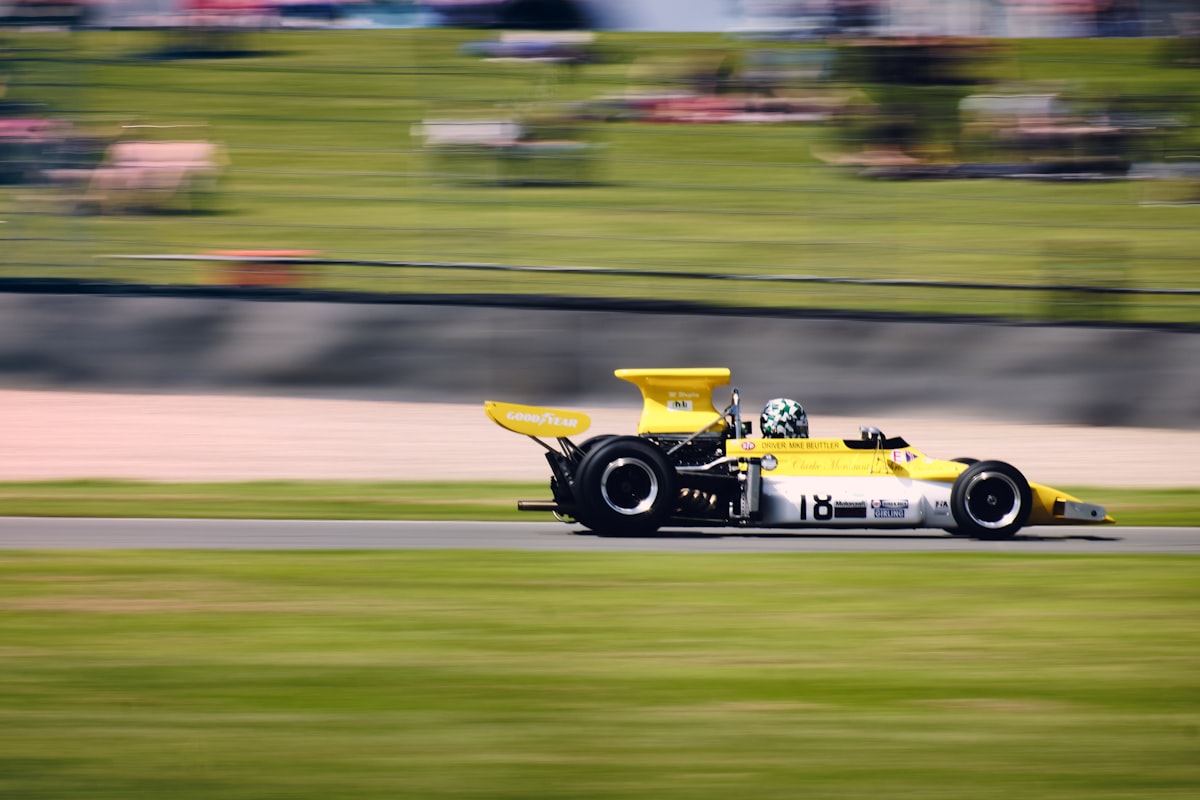
The GMR-001 hypercar made its historic debut at the 2026 24 Hours of Le Mans. It's a massive milestone for South Korean motorsport. Competing at the Circuit de la Sarthe, Genesis became the first and only South Korean automaker to challenge this legendary endurance race, where two cars entered by Genesis Magma Racing faced immense pressure through the grueling daylong battle. But only one managed to cross the finish line.
For a team that didn't even exist 18 months ago, simply finishing this race is an incredible achievement. But they've done it. Every single hour on the track represents months of intense development, engineering, and testing, and going from a blank sheet of paper to racing at 214 mph on the famous Mulsanne straight in under 600 days is a monumental task. So let's cut through the noise. Look at how this new team pulled off such a feat.
Building a world class racing team from scratch
How do you build a competitive endurance racing program in less than two years? Start by recruiting top-tier talent. Cyril Abiteboul, the president of Hyundai Motorsport and team principal of Genesis Magma Racing, led the charge by assembling an experienced leadership group to guide the young team.
Abiteboul signed Gabriele Tarquini as sporting director. He spent six years in Formula 1 before claiming British and European touring car championship titles, so that's serious pedigree. But the technical side was handled by hiring Justin Taylor as chief engineer, who brings deep race engineering experience from IndyCar with Chip Ganassi Racing and the World Endurance Championship with Ferrari AF Corse. That collective experience let the team bypass many common startup mistakes. It's a smart move.
Smart partnerships and chassis decisions
To speed up development, the team chose to build their car using the LMDh ruleset rather than designing a bespoke chassis in-house from scratch. Here is how they did it:
- They partnered with chassis manufacturer Oreca in December 2024 to use a pre-homologated spine.
- They ran an LMP2 entry with IDEC Sport at Le Mans in 2025 to gather key track data.
- They focused their internal engineering resources on powertrain and software integration.
A clever shortcut for the powertrain
Developing a brand new race engine from scratch? It's incredibly expensive and time consuming. So the engineering team took a pragmatic approach by looking at what they already had in their racing stable, merging two proven 1.6 liter inline four cylinder engines from the Hyundai World Rally Championship program together. Smart.
The 3.2 liter twin turbo V-8 is the result. This power unit was designed to withstand the brutal forces of running flat out over thousands of miles, so the team had less than a year left to validate the entire package once they mated it to the Oreca chassis before the big race. It's a tough challenge.
The brutal testing road to Le Mans
Testing a car for short distances is simple. But it's a completely different story to prepare a vehicle to survive 24 hours of non stop abuse, and the GMR-001 hypercar underwent a punishing global testing program to iron out mechanical bugs and software glitches. The team had to find creative solutions because they didn't yet have all the advanced simulators and test benches they wanted.
"The most difficult part is the time it takes to validate everything. Testing over just 300 kilometers is completely different than running a race over 24 hours, and we still do not have all of the capabilities that we want in terms of simulators and test benching, but we are doing the best with what we have and finding solutions internally." - Cyril Abiteboul
The testing campaign started with a five-day shakedown at the team's home base at Circuit Paul Ricard. Next, the car spent three days at Circuit de Barcelona-Catalunya. It was brutal. Then they headed to Portugal for a 32-hour endurance simulation at Autodromo Internacional do Algarve, pushing the new V-8 powertrain and chassis to their absolute limits under scorching heat and constant pressure. But it worked. These sessions helped the engineers dial in the handling balance and prove durability, and they're confident it's ready for the season ahead.
Early race success leads to the ultimate test
By April 2026, the team was ready for the opening round of the World Endurance Championship at Imola, and they couldn't wait to see what the GMR-001 could do on the track. It showed immediate promise. Both cars finished the six-hour race in 15th and 17th place. But the team did even better at the next round at Spa-Francorchamps, where the number 17 car finished in eighth place to score the team's very first championship points.
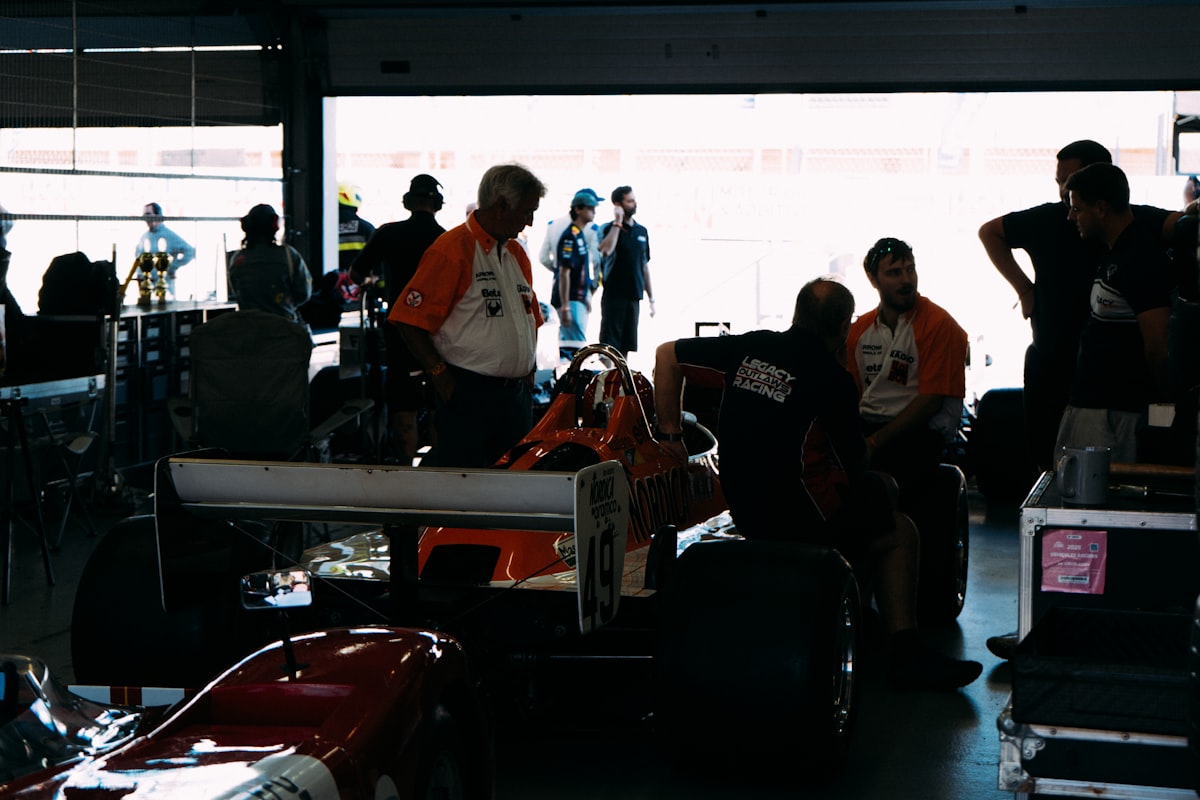
But the true test was always going to be the Circuit de la Sarthe. It's a tense, historic moment. So as the green flag waved, the two South Korean hypercars fought hard against established factory teams like Toyota, Ferrari, BMW, and Cadillac, and everyone involved in the project felt the weight of that.
Heartbreak and triumph on the track
Endurance racing is unpredictable. Le Mans always exacts a heavy toll on machinery. Early Sunday morning, the number 17 car driven by Pipo Derani, Mathys Jaubert, and Andre Lotterer suffered a front suspension failure, and the damage was severe enough to keep it in the garage for the rest of the race.
All hopes then rested on the sister car. It ran reliably through both morning and afternoon, with Paul-Loup Chatin, Mathieu Jaminet, and Dani Juncadella taking turns at the wheel of the number 19 GMR-001 hypercar, pushing through every lap without a hitch. But after 24 grueling hours, the number 19 car crossed the finish line in 13th place. That secured a hard-fought qualified finish for the rookie team.
What this means for the road ahead
So what's the real takeaway here? It's a massive engineering victory. Building a brand new racing program and getting a car to finish Le Mans in under 18 months proves the team's technical capability, so they can compete with the absolute best in endurance racing, and the GMR-001 hypercar showed that.
They didn't win the race. But they achieved their primary goal of finishing, and the data gathered during that event will be used to make the car faster and more reliable for future competitions. Genesis Magma Racing has officially written its name into the history books at the Circuit de la Sarthe, and they're only getting started.
Frequently Asked Questions
What is the GMR-001 hypercar and what milestone did it achieve at Le Mans?
The GMR-001 hypercar is a race car developed by Genesis Magma Racing that made its historic debut at the 2026 24 Hours of Le Mans. It marked the first time a South Korean automaker competed in this legendary endurance race, with one car finishing 13th place.
How did Genesis Magma Racing build the GMR-001 hypercar in under two years?
They used the LMDh ruleset and partnered with chassis manufacturer Oreca to use a pre-homologated spine, focusing internal engineering on powertrain and software integration. They also merged two proven 1.6 liter inline four cylinder engines from Hyundai's World Rally Championship program to create a 3.2 liter twin turbo V-8.
Why did the team choose to merge engines from the Hyundai World Rally Championship program?
Developing a brand new race engine from scratch is incredibly expensive and time consuming. By merging two existing engines, they created a 3.2 liter twin turbo V-8 that could withstand the brutal forces of running flat out over thousands of miles.
What were the results of the GMR-001 hypercar's early races before Le Mans?
At the opening round of the World Endurance Championship at Imola, both cars finished the six-hour race in 15th and 17th place. At the next round at Spa-Francorchamps, the number 17 car finished in eighth place, scoring the team's first championship points.
Who led the team that built the GMR-001 hypercar and what key hires did they make?
Cyril Abiteboul, president of Hyundai Motorsport and team principal of Genesis Magma Racing, led the team. He signed Gabriele Tarquini as sporting director and Justin Taylor as chief engineer, bringing experience from Formula 1, IndyCar, and the World Endurance Championship.
Dominic Fischer writes about cars and the future of mobility, covering everything from new launches to charging infrastructure. He follows how the way we drive is changing and what comes next on the road.
💬 Comments (0)
No comments yet. Be the first!