GM sodium-ion battery Announced for Grid Storage
GM is advancing its GM sodium-ion battery technology for grid-scale energy storage in partnership with Peak Energy.
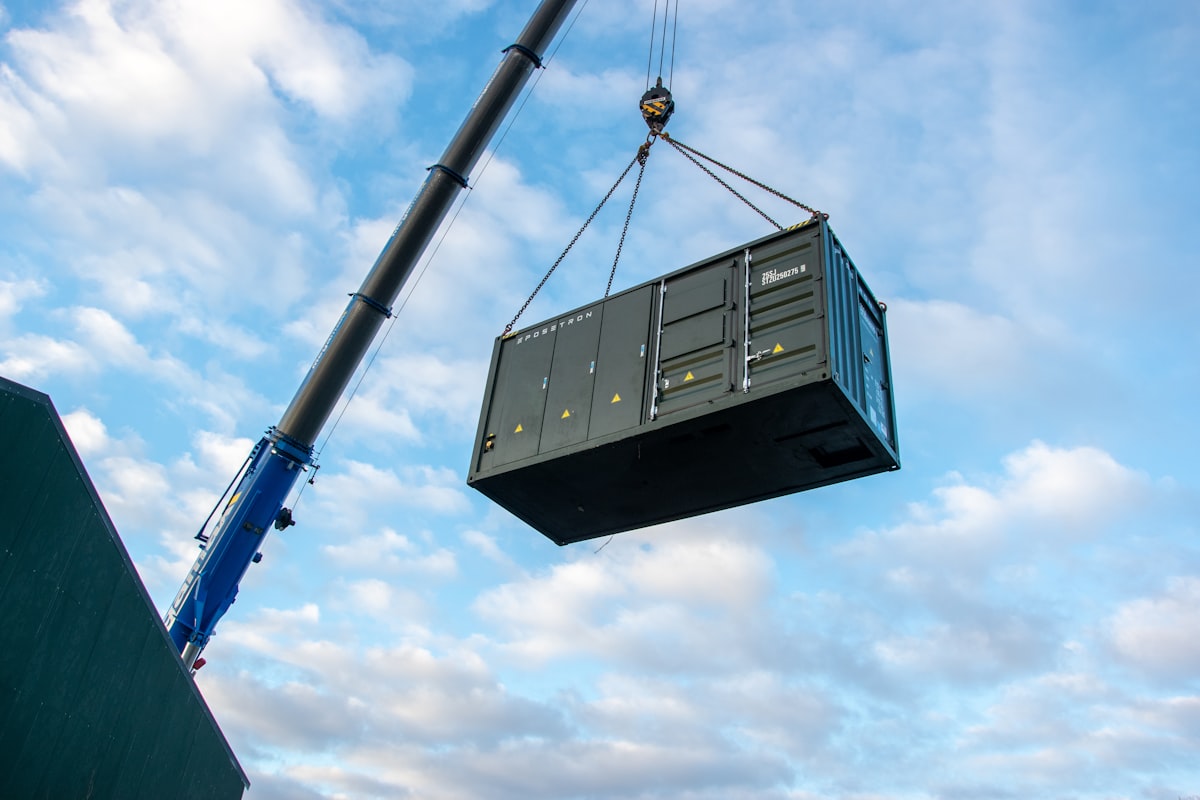
GM sodium-ion battery technology is now a primary focus for grid-scale energy storage. This marks a major strategic expansion for the automaker into the stationary power sector, and it was revealed at an event in San Francisco on June 9, 2026, at a time when artificial intelligence data centers and rising electricity demand are placing unprecedented pressure on the electrical grid. But the automotive industry has spent years focusing on energy density and rapid charging for passenger cars. The requirements for utility providers and hyperscalers are entirely different. Stationary storage demands affordability, long-term reliability, and minimal maintenance overhead.
To realize this vision, the automotive giant is partnering with Peak Energy. It's a collaboration backed by an investment from GM Ventures. But this initiative represents a deliberate effort to align specific battery chemistries with their most appropriate applications rather than relying on a single technology for every use case. Lithium remains highly valuable for passenger vehicles. Sodium-ion represents a practical alternative for stationary infrastructure where physical footprint and weight are less restrictive than in a vehicle chassis.
How sodium-ion chemistry works
Sodium-ion chemistry works like lithium-ion. Ions move between electrodes during charging and discharging cycles, just as they do in the familiar lithium-based cells we've all come to rely on. But there's a key difference. Because sodium and lithium occupy the same column on the periodic table, they share similar chemical properties, yet the physical differences between them yield distinct advantages for stationary storage systems. Sodium-ion cells can handle a wider temperature range. They also deliver more operational cycles over their lifespan.
This thermal resilience introduces notable engineering benefits. It's a huge advantage. Because these cells can withstand temperature fluctuations, the resulting storage installations can operate with passive cooling, so they don't need complex liquid systems. Eliminating active liquid cooling systems removes a massive amount of complex hardware, reduces parasitic energy losses, lowers noise levels, and decreases ongoing maintenance requirements. But over a project lifespan of more than twenty years, these simplified designs can lead to a much lower total cost of ownership for utility operators.
Leveraging automotive research in Michigan
The development of these new cells doesn't start from scratch. But the program builds directly on the broad battery research and development capabilities already established for passenger vehicles. The work is centered in Warren, Michigan. That's home to the company's centralized battery research facilities, and the same engineering team currently working on lithium-manganese-rich, or LMR, chemistry for future electric vehicles is now applying its expertise to sodium-ion chemistry for utility use.
Prototyping starts this year. It’s happening at the Wallace Battery Cell Innovation Center, and because sodium-ion cells share architectural similarities with lithium-ion, existing design, prototyping, and industrialization processes can be used directly, saving both time and capital. And that’s a huge advantage.
"The best part is no part."
A multi-tiered grid strategy
This sodium-ion program is a long-term development effort. But immediate grid pressures require immediate solutions, so the company is pursuing a multi-tiered energy strategy to address current market demands. Through its Ultium Cells joint venture with LG Energy Solution, work is underway to quickly produce lithium-iron-phosphate, or LFP, batteries for near-term commercial energy storage applications. Retired electric vehicle batteries are being repurposed for immediate use in energy infrastructure. It's a pragmatic approach.
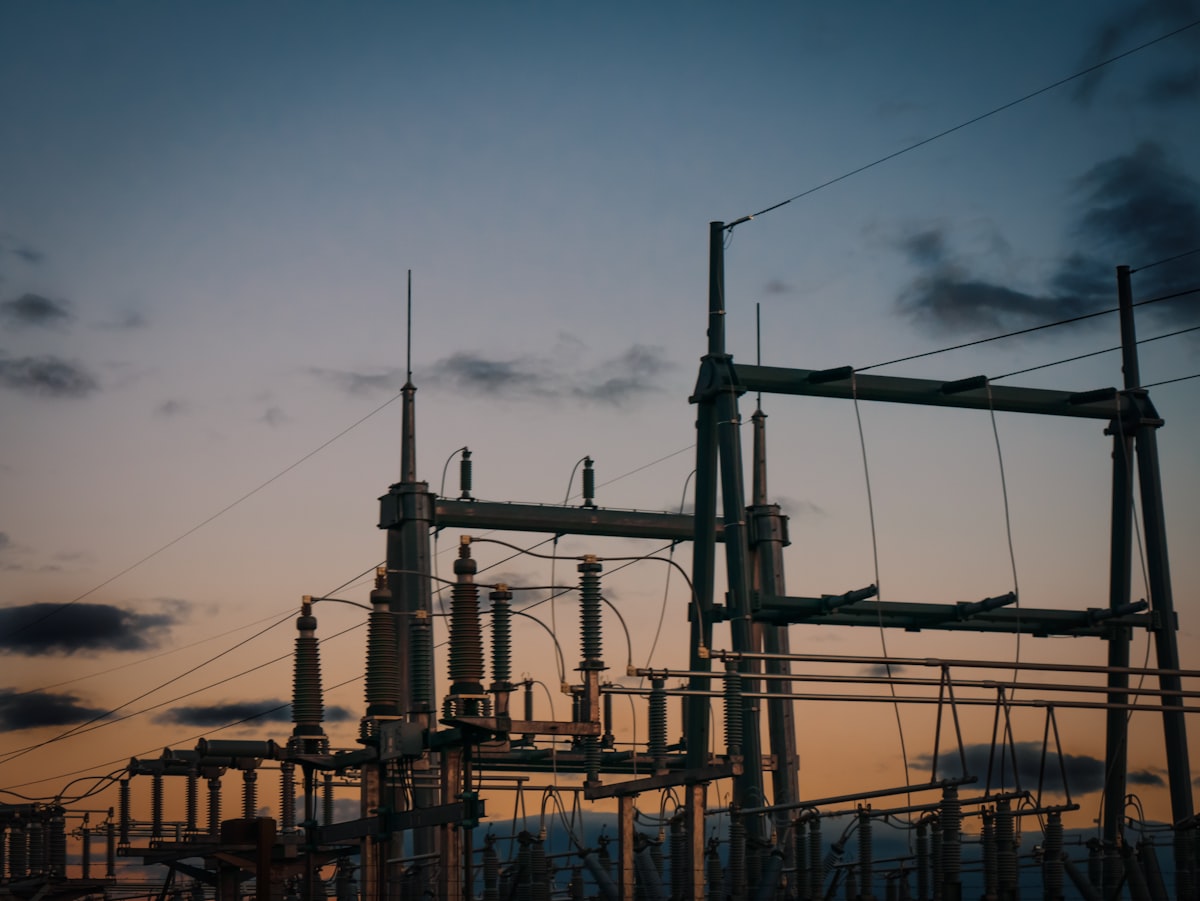
Redwood Materials is the partner here. Approximately 10,000 second-life battery packs are being deployed into utility projects right now, and some of them are already powering systems for Crusoe's AI data center in Sparks, Nevada. But that's just the start. Starting next year, another group of roughly 100 retired packs will be installed at one of the automaker's own facilities in Michigan, where they'll provide about 7.2 MWh of dispatchable energy. It’s projected to save more than $3 million in local electricity costs over the lifetime of the project , and they can't argue with that math.
The growth potential of sodium
Sodium-ion tech is still early. It's got massive room for performance gains, but LFP battery technology has improved significantly over the last 25 years, and its rate of improvement is now slowing down as the chemistry matures. So sodium-ion has much more room for meaningful upgrades in energy density and cost efficiency as manufacturing scales up.
Sodium is one of the most abundant elements on Earth. But it's a simple fact that carries enormous weight for the future of battery manufacturing. And because we're using a material that's so common and widespread, we can build supply chains that are far less vulnerable to geopolitical risks, resource concentration, and the kind of market volatility that can cripple more traditional, resource-dependent industries. So there you have it , the strategic advantages of this technology are clear. They boil down to several key economic factors.
- Raw materials are cheaper and highly abundant globally.
- Manufacturing costs will decrease as production scales and processes are optimized.
- The technology is developed entirely in the US, eliminating licensing fees and foreign royalty payments.
- Passive cooling eliminates the cost of building and operating complex thermal management systems.
The path to commercial scale
But there's a catch. No emerging technology secures market dominance overnight, so sodium-ion must still prove its durability and economic viability at commercial scale before earning widespread adoption. The ultimate test will be whether these projected cost savings and reliability benefits actually materialize during real-world utility deployments.
The electrical grid needs a diverse set of tools to handle modern energy demands, but the company is positioning itself to supply durable, cost-effective storage solutions by focusing on application-specific chemistries and utilizing domestic research and manufacturing facilities. Electric vehicles were merely the starting point. It's the grid that's the next frontier.
Frequently Asked Questions
What is the primary focus of the GM sodium-ion battery technology according to the article?
The GM sodium-ion battery technology is primarily focused on grid-scale energy storage. This marks a major strategic expansion for the automaker into the stationary power sector.
Why is sodium-ion chemistry considered advantageous for stationary storage compared to lithium-ion?
Sodium-ion cells can handle a wider temperature range and deliver more operational cycles over their lifespan. This thermal resilience allows storage installations to operate with passive cooling, eliminating complex liquid systems and reducing costs.
How is GM leveraging its existing automotive research for the sodium-ion battery development?
The development builds on the broad battery research capabilities established for passenger vehicles, centered in Warren, Michigan. The same engineering team working on lithium-manganese-rich chemistry for EVs is applying its expertise to sodium-ion, using existing design and prototyping processes.
When and where was the GM sodium-ion battery announcement made?
The announcement was made at an event in San Francisco on June 9, 2026. The event took place at a time when AI data centers and rising electricity demand are placing pressure on the electrical grid.
Who is GM partnering with for the sodium-ion battery initiative?
GM is partnering with Peak Energy, a collaboration backed by an investment from GM Ventures. Additionally, GM is working with Redwood Materials to repurpose retired EV batteries for immediate energy infrastructure use.

Clara Rossi covers the motoring world, with a focus on electric vehicles, design and the shift toward cleaner transport. She tests the latest models and explains what matters to drivers beyond the spec sheet.
💬 Comments (0)
No comments yet. Be the first!