Ford Expedition Lincoln Navigator Seat Belt Recall: 420,000 Vehicles Affected
Ford Expedition Lincoln Navigator seat belt recall: Ford recalls 419,967 SUVs for a seat belt pretensioner fault locking the belt.
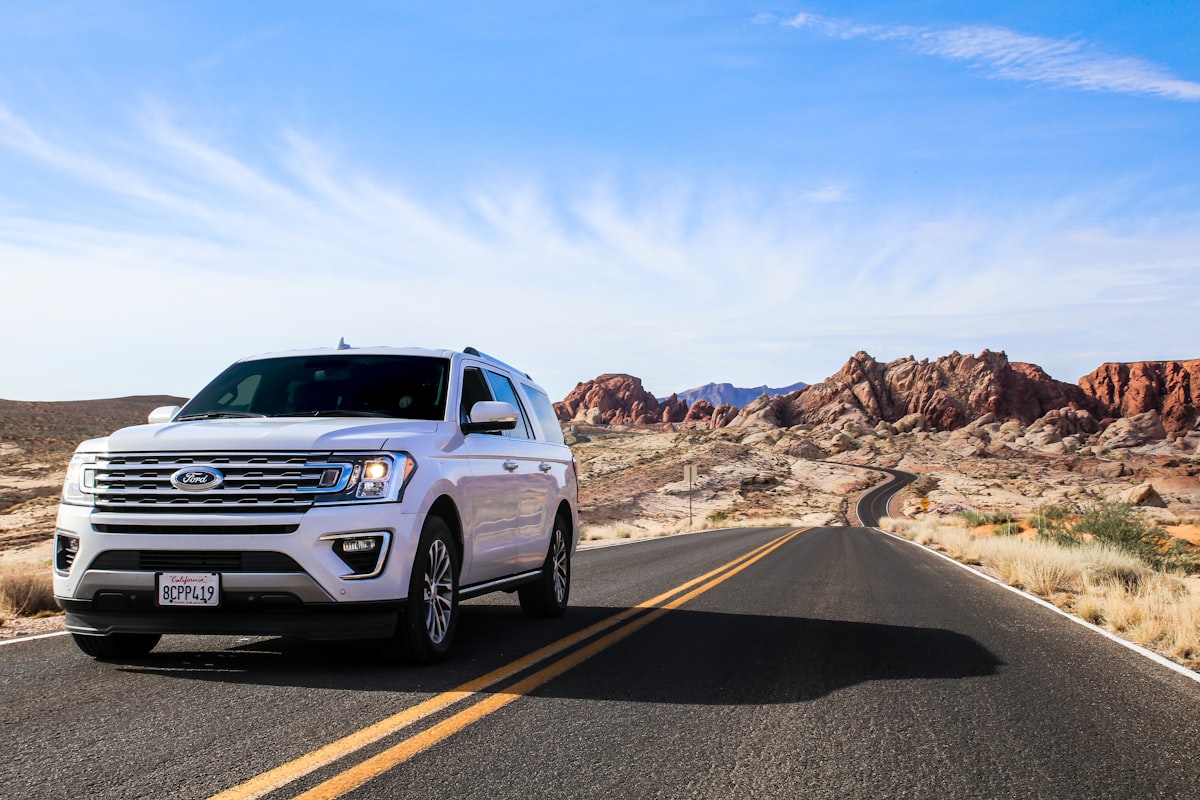
Federal regulators determined that pretensioners in Ford Expedition and Lincoln Navigator could fire without warning, locking the belt and leaving it useless in a crash, so the recall covers 419,967 SUVs from 2018 to 2022. That's a risk. One of the industry's most trusted nameplates now enters a growing safety campaign.
What’s Failing Inside
It's the propellant. But every vehicle in this recall uses a pyrotechnic pretensioner designed to cinch the belt tight in the milliseconds before a collision. Over time, high-heat exposure degrades chemical charge, producing corrosive by-products that attack internal components, so it can deploy without crash and locks solid, can't extend or retract, becoming a rigid strap offering no protection.
Models and Years Affected
- 2018,2022 Ford Expedition
- 2018,2022 Lincoln Navigator
It's broader. The newest Ford Expedition Lincoln Navigator seat belt recall doesn't just refresh numbers from previous campaigns that addressed narrower pool of vehicles, but pulls in full run of two body-on-frame SUVs across four model years. And owners who've already had a pretensioner replaced under an earlier bulletin might still find their vehicle flagged again if the build date falls into the expanded range.

A Warning Light Drivers Shouldn’t Ignore
The dashboard often signals. So before the seat belt locks up, the air bag malfunction indicator may illuminate shortly before an inadvertent deployment. But many drivers see a warning lamp and assume it's a sensor glitch, while in these SUVs it can mean a pretensioner is about to self-activate, leaving a front-seat occupant unable to buckle up properly.
Heat may degrade the propellant. But the National Highway Traffic Safety Administration explained that the retractor pretensioner's propellant, when degraded, produces by-products that can result in oxidation of internal components and, over time, it's what leads to inadvertent pretensioner deployment.
Ford acknowledged one injury. But that injury, reported to safety officials, adds weight to a defect in 419,967 Ford Expedition and Lincoln Navigator vehicles; that's nearly half a million people movers spread across every corner of the country.
Ford’s Growing Recall Count
What's different this time? It isn't a brand-new defect; the automaker has already gone after the same pretensioner issue in earlier batches, but the version announced today stretches further back and covers more trucks. Through the first five months of 2026, Ford has issued 40 separate recalls after leading the entire industry in recall volume last year, while General Motors and Stellantis each recorded 17 during the same period. The gap's in stark relief.
One Injury Already Reported
Ford told NHTSA officials it knows of one injury linked to the failing retractors. The company hasn't released details about the circumstances. Locked belt leaves occupant unbelted. That changes the outcome. But the math is simple. So the Ford Expedition and Lincoln Navigator seat belt recall exists because that single injury proved the failure mode can manifest in the real world with real consequences and isn't just a parking lot nuisance.
What Owners Need to Do Next
It's free. Dealers will inspect both front seat belt retractors and replace any assembly that falls within the affected production dates or shows signs of the fault. But owners caught in the Ford Expedition Lincoln Navigator seat belt recall can't ignore a flickering airbag light on the dash, as it's their one chance to see the problem coming before a retractor locks itself in a driveway, at a stoplight, or right before a crash.
The fix is straightforward. Two SUVs across four model years share a single dangerous trick that plays out in silence until it doesn't, so anyone with a 2018-to-2022 Expedition or Navigator should check their VIN. But don't wait for the formal owner notification letter; it might mean you're waiting too long.
Frequently Asked Questions
What specific defect is causing the Ford Expedition and Lincoln Navigator seat belt recall?
The defect involves pyrotechnic pretensioners that can fire without warning due to propellant degradation. Over time, high-heat exposure produces corrosive by-products that attack internal components, causing the belt to lock solid and become useless in a crash.
How many vehicles are affected, and which model years are included?
The recall covers 419,967 SUVs from the 2018 to 2022 model years. Both the Ford Expedition and Lincoln Navigator are included across those four model years.
What should owners do if they see an airbag malfunction indicator light on the dashboard?
Drivers should not ignore the warning light, as it may signal an imminent pretensioner deployment that could lock the belt. The article advises owners to check their VIN and not wait for the formal notification letter, as dealers will inspect and replace affected retractors for free.
Has anyone been injured because of this seat belt defect?
Yes, Ford acknowledged one injury reported to safety officials. That injury proved the failure mode can occur in the real world with real consequences, not just as a parking lot nuisance.
Why does the pretensioner propellant degrade over time in these vehicles?
High-heat exposure degrades the chemical charge in the pretensioner. This degradation produces corrosive by-products that lead to oxidation of internal components, eventually causing the pretensioner to deploy inadvertently and lock the belt.

Sebastian Wolf reports on the car industry, from performance machines to the engineering that powers them. He is fascinated by how manufacturers balance tradition with the rapid move to electrification.
💬 Comments (0)
No comments yet. Be the first!