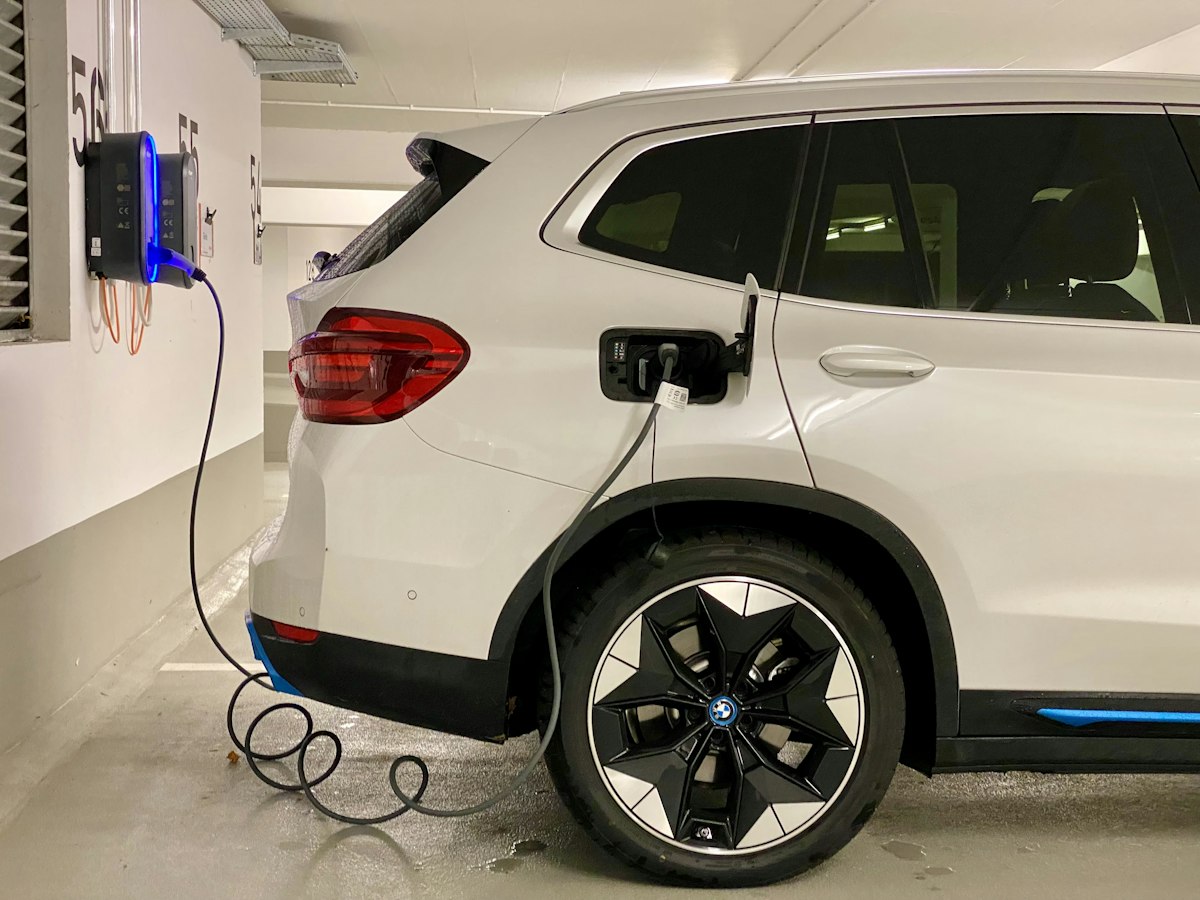
Ford CEO Jim Farley Warns of Chinese OEMs
Ford CEO Jim Farley warns that the U.S. must be careful of Chinese automakers, pointing to Europe as a cautionary tale.
Ford CEO Jim Farley has issued a stark warning. Chinese automakers are expanding fast. Speaking at the Automotive News World Congress in Detroit, he made it clear that the United States must tread very carefully as these new competitors look to enter the domestic market, because the choices made now will shape what the industry looks like for years to come. The threat isn't hypothetical. And the lessons from overseas are already painting a very clear picture of what could happen next.
Europe's automotive market can shift fast. Chinese brands entered Europe and quickly grabbed a large share, and for legacy manufacturers who once dominated their home turf, the arrival of these new players has been incredibly disruptive. But the window's closed. According to the warning delivered in Detroit, the window to address or counter this competitive surge in Europe has already closed, and it's a message those legacy manufacturers can't afford to ignore.
The Lesson From Europe
So what does this actually mean for you as a driver? China's cars aren't substandard anymore. They're highly competitive, affordable, and packed with advanced technology. And that combination, the mix of competitive pricing, real quality, and advanced technology packed into every model, is exactly what allowed them to gain a foothold in Europe so quickly, leaving traditional European automakers struggling to keep up on their own home ground.
The speed of this shift has caught many by surprise. It's stunning. Traditional car companies are currently wrestling with high electrification costs and changing fuel economy regulations at home while simultaneously facing a wave of cheap, high-tech alternatives, and that combination puts legacy brands in an incredibly difficult position. They're stuck. And we've seen how hard it is when you can't manage those internal transitions.
"We must be extremely careful around how the Chinese OEMs come to our country." - Ford CEO Jim Farley
Why the US Market Is At a Crossroads
The tension is growing fast. In America, it's rising by the day. Right now, there's a bipartisan effort in Congress to ban Chinese automotive companies from the country entirely, a push that lawmakers on both sides say they're ready to see through. But industry executives and observers have warned that allowing these firms to establish a presence in America could signal the beginning of the end for several established domestic automakers. And they don't say that lightly. We've heard it before, they claim, and we can't ignore it now.
But there is a catch. The political landscape is far from unified on how to handle this threat. President Donald Trump has recently indicated a level of acceptance toward Chinese car companies setting up operations in the United States, provided they build their vehicles locally and hire American workers to do the job. This potential open door has heightened anxiety throughout the domestic auto industry.
The Real Impact on Drivers
Does this matter? It does. Here's why. The vehicles in question are highly appealing to everyday consumers on paper, offering modern electric powertrains and advanced software at prices that traditional automakers are struggling to match, which is a combination that's hard to ignore. And they're convincing enough that even industry leaders have found them difficult to walk away from after experiencing them firsthand.
Key Facts on the Competitive Threat
- Chinese automakers took market share rapidly once they entered Europe.
Market Context: According to Bloomberg, Chinese brands accounted for 11% of Europe's electrified car market in 2025, more than doubling from 2024.
- The window for European automakers to counter the Chinese expansion has closed.
- Legacy auto manufacturers are currently struggling with high electrification costs.
- A bipartisan effort in Congress is pushing for a total ban on these companies.
- Proposals exist to allow Chinese firms in the US only if they build factories and hire local workers.
The Execution Challenge For Legacy Brands
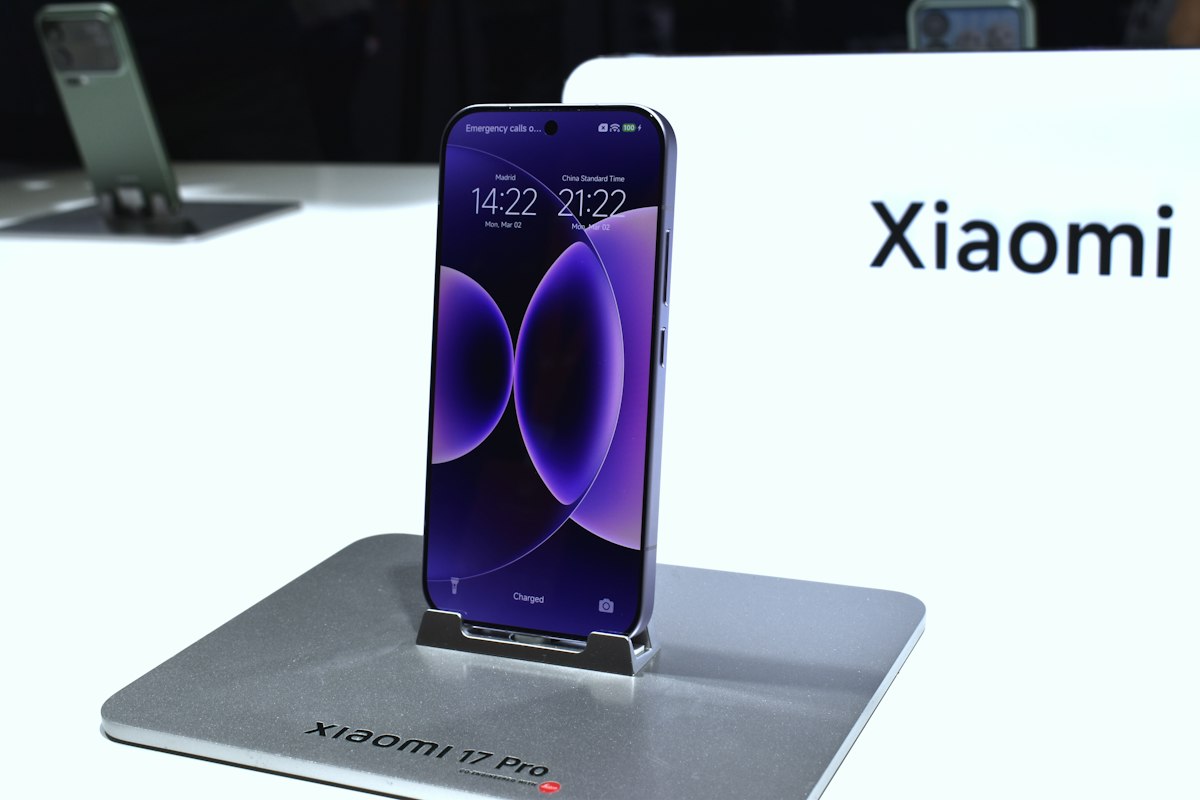
Ford CEO Jim Farley himself has spent significant time behind the wheel of these vehicles. He was reportedly highly impressed with the Xiaomi SU7. It took coaxing. He drove it six months. He didn't want to give up the keys. And this personal experience, which unfolded over half a year behind the wheel of a car built by a company that didn't even make cars a few years ago, highlights the core of the issue in a way no spreadsheet or strategy memo ever could. The product quality is genuinely there. The competition is fierce.
Let us cut through the noise. The concern is not just about where a car is built, but how domestic brands can survive when underpriced by highly efficient foreign supply chains. If cheap, high-tech electric vehicles flood the market, domestic manufacturers will face immense pressure to slash their own prices, even as they struggle with high development costs.
What Happens Next
The coming months will likely decide how the US government and local automakers respond to this pressure. Bans or partnerships? The arrival of Chinese OEMs, whether through strict legislative bans or forced local manufacturing partnerships, will reshape what you see in local dealership lots. Traditional brands know the truth. They're running out of time to get their own affordable electric vehicles to market, and they're fully aware that the clock is ticking down.
Real talk. The next vehicle you buy could look very different depending on how this political and industrial battle plays out. If the gates open, domestic brands will have to adapt faster than ever before, faster than they've ever had to move, faster than anyone watching this fight from the sidelines could reasonably expect, just to stay relevant.
Frequently Asked Questions
What warning did Ford CEO Jim Farley issue about Chinese automakers?
Ford CEO Jim Farley warned that Chinese automakers are expanding fast and that the United States must tread very carefully as these new competitors look to enter the domestic market. He stated that the choices made now will shape what the industry looks like for years to come.
Why did Chinese brands gain a foothold in Europe so quickly?
China's cars are highly competitive, affordable, and packed with advanced technology, and this combination allowed them to gain a foothold in Europe quickly. The speed of this shift caught many by surprise and left traditional European automakers struggling to keep up on their own home ground.
What is the current political situation in the US regarding Chinese automotive companies?
There is a bipartisan effort in Congress to ban Chinese automotive companies from the country entirely, but President Donald Trump has recently indicated a level of acceptance toward Chinese car companies setting up operations in the United States if they build vehicles locally and hire American workers. This potential open door has heightened anxiety throughout the domestic auto industry.
How did Ford CEO Jim Farley personally react to driving a Chinese electric vehicle?
Ford CEO Jim Farley reportedly drove the Xiaomi SU7 for six months and was highly impressed, not wanting to give up the keys. His personal experience highlights that the product quality is genuinely there and the competition is fierce.
What impact could Chinese electric vehicles have on domestic automakers and consumers?
If cheap, high-tech electric vehicles flood the market, domestic manufacturers will face immense pressure to slash their own prices even as they struggle with high development costs. The arrival of Chinese OEMs, whether through strict legislative bans or forced local manufacturing partnerships, will reshape what you see in local dealership lots.

Dominic Fischer writes about cars and the future of mobility, covering everything from new launches to charging infrastructure. He follows how the way we drive is changing and what comes next on the road.
💬 Comments (0)
No comments yet. Be the first!