F1 GP Delayed by FIA software update in Malaysia
A bug forced a sudden FIA software update to resolve electric motor shutdowns during the 2026 F1 race start in Malaysia.

FIA software update protocols delayed the 2026 Bahrain Grand Prix. That race got moved. It relocated thousands of miles away to the Sepang International Circuit in Malaysia because of the ongoing war with Iran. The event, held at the classic late-nineties circuit designed by Herman Tilke, was already facing severe disruptions from torrential tropical weather, the kind that soaks everything and refuses to let up. Heavy rain arrived approximately thirty minutes before the scheduled start. Massive standing water issues followed. While Formula 1 utilizes two distinct types of treaded wet weather tires, the extreme spray generated by the full wet tire makes visibility nearly impossible, rendering it useful only for low-speed running behind the safety car. Teams prefer the intermediate tire with its shallower grooves for damp conditions. But these tires suffer from rapid degradation and overheating once a dry racing line begins to emerge. They're just not built for that. It's a tradeoff. We've seen it before, and teams can't do much about it when the track dries out.
Software bug halts the grid
The race organizers tried to manage the wet track. They ordered two formation laps. This strategy was intended to let drivers assess grip levels while using their intermediate tires to clear standing water from the track surface, and it's the kind of call that looks sensible until you see what happens next. But it backfired. This decision triggered an unforeseen conflict within the standardized control systems of the cars. Running at low speeds with reduced hybrid power in extremely wet conditions tricked the internal control systems of several vehicles into registering a violation of a hard-coded anti-cheating rule, because the software can't tell the difference between a genuine breach and a strange set of inputs it's never been programmed to expect. So a false positive triggered an automatic sixty-second shutdown of the electric motors.
Chaos followed instantly. On the long straights, multiple vehicles lost power, and driver after driver slowed down unexpectedly, forcing the cars behind to dodge them while waiting for their own electronic systems to reboot. The sudden power losses occurred at different times. That created highly dangerous speed differentials. And it's across the field. Max Verstappen of Red Bull described the confusion on the track during the formation lap:
"It was like the Lego race. At some point, we were five-wide on the straight because we couldn't understand what was going on. Then we did a lap and then I see eight other cars crawling still… I mean that's not what you want, right, for the sport."
The grid was down. Much of it, anyway, disabled or still recovering from system reboots, so the race organizers had no choice but to abort the entire start sequence. The specific software glitch had never surfaced during pre-season or private testing sessions. So officials had to act fast. They drafted a patch to resolve the issue while the cars waited. It's a fix nobody saw coming, and they're still not sure why it never showed up before, but the race couldn't go on until it was done.
The mechanics of the emergency fix
The delay lasted an hour. Technical officials worked to resolve the issue. Because the modern power units rely on highly integrated electronic management systems, the resolution required direct intervention from the governing body, which meant the FIA had to step in directly.
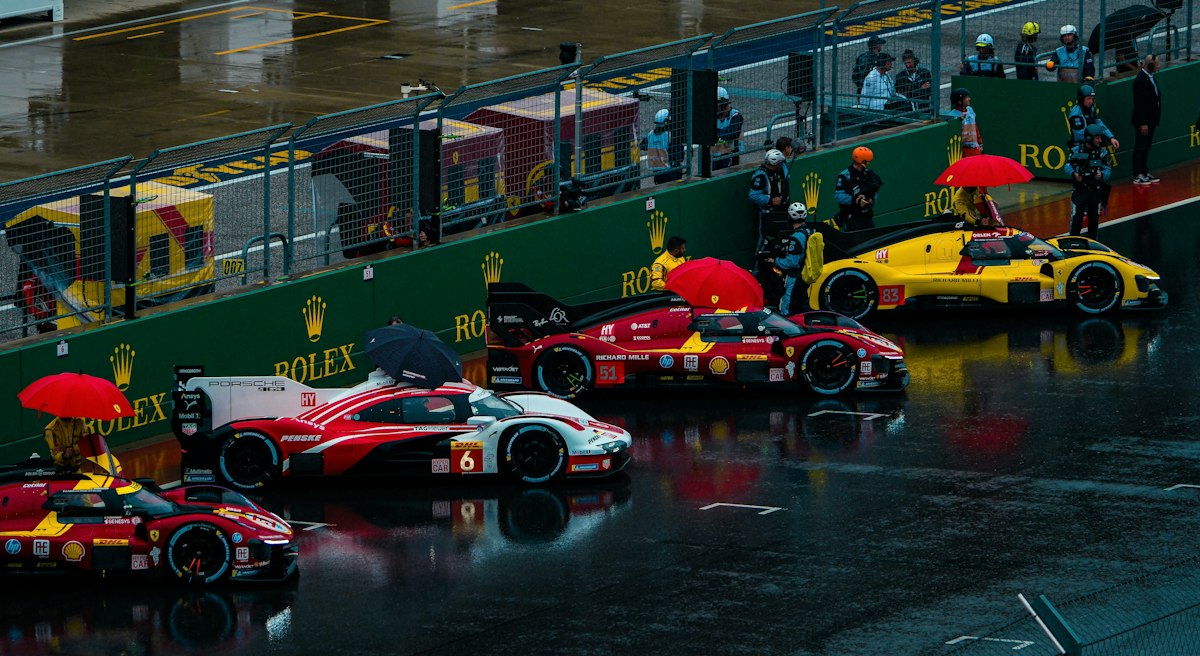
They say it's the wet-weather power settings. And the crawl on the formation lap. Together, according to technical officials, the combination of the wet weather power-reduction settings and the extremely slow speeds during the formation lap triggered the system lockup. They found it fast. Once the problem was identified, the technical department coded an emergency patch. The timeline of the intervention followed a strict sequence:
- The governing body identified the root cause of the motor shutdown immediately after the first formation lap.
- An updated software package was written and distributed to all teams within twenty minutes.
- Teams applied the patch and clarified technical questions with officials to ensure uniform installation.
- The whole process, from identification to final verification across all garage pits, ate up a large share of the one-hour race delay.
A gamble on a drying track
The second start sequence began. The rain had stopped, and the track surface had dried significantly. So more than half of the grid gambled on dry-weather slick tires, selecting either the soft or medium compounds, because this prompt change in track conditions convinced them it's worth the risk. Only nine drivers chose the safer intermediate tires. That group included pole-sitter Max Verstappen, championship leader Kimi Antonelli, and George Russell. Lewis Hamilton, starting from second place, opted for slicks. It proved costly. And the second formation lap revealed the track remained far too wet for slick tires, which meant Hamilton's tactical error wasn't just a minor misstep but a decision that would define his race from the very beginning.
Power struggles and recovery drives
The race start penalized those on slicks at once. They couldn't find traction on the wet asphalt. Verstappen also suffered a poor start, and even though he was on the correct intermediate tires, the Dutch driver dropped to third place behind both Mercedes cars, a setback that forced him into recovery mode from the very first lap. He didn't panic. Verstappen gradually recovered, overtaking Russell on lap six and closing the gap to Antonelli. Meanwhile, drivers who started on slicks scrambled to the pits to switch to intermediates. Piastri was among the first to pit. The McLaren driver quickly sliced back through the field. But Hamilton chose to stay out on his slick tires, betting that the track would dry fast enough to play into his hands later in the race, and it's a gamble we've seen him take before.
Frenetic finish and growing frustration
The race restarted on lap thirteen. The initial wet-weather chaos settled. Verstappen quickly overtook Antonelli to reclaim the lead, while Hamilton began a rapid charge from fifteenth place, climbing to fifth within ten laps of the restart. And further down the field, Fernando Alonso showed improved pace in his Aston Martin, benefiting from an aerodynamic upgrade introduced in Hungary and a new Honda power unit update that's clearly helping him. Alonso climbed into tenth by lap forty.
Lap forty-three. A virtual safety car was triggered when Alex Albon suffered a gearbox failure in his Williams, and that call sent the leaders straight to the pits for fresh tires. The disabled Williams couldn't be moved easily. So a full safety car period followed, and it bunched the field. On lap fifty of the fifty-five lap race, during this neutralization, George Russell was forced to retire with a power unit failure that ended his day.
The final three laps saw intense racing. Despite the exciting on-track action, drivers expressed deep frustration with the complexity of the current regulations.
Frequently Asked Questions
What caused the start of the 2026 Bahrain Grand Prix to be delayed?
The race start was delayed because a software bug triggered a sixty-second shutdown of the electric motors on multiple cars during the formation laps. This left much of the grid disabled or recovering from system reboots, forcing organizers to abort the entire start sequence.
How did the FIA resolve the software glitch that halted the race?
The FIA identified the root cause of the motor shutdown immediately after the first formation lap, then wrote and distributed an updated software package to all teams within twenty minutes. Teams applied the patch and clarified technical questions with officials to ensure uniform installation, with the whole process eating up a large share of the one-hour race delay.
Why did the wet-weather power settings trigger a false anti-cheating violation during the formation laps?
Running at low speeds with reduced hybrid power in extremely wet conditions tricked the internal control systems of several vehicles into registering a violation of a hard-coded anti-cheating rule. The software couldn't tell the difference between a genuine breach and a strange set of inputs it had never been programmed to expect, so a false positive triggered an automatic sixty-second shutdown of the electric motors.
When did the rain arrive before the scheduled start, and what track conditions resulted?
Heavy rain arrived approximately thirty minutes before the scheduled start, and massive standing water issues followed. The race organizers ordered two formation laps to let drivers assess grip levels and clear standing water, but this decision backfired and triggered the software conflict.
Who explained the role of safety-related software settings in the glitch, and what did they say about why it wasn't caught earlier?
Nikolas Tombazis, head of single-seater racing at the FIA, explained that safety-related software settings are programmed to reduce maximum power in certain track sectors during wet conditions. Because there had been almost no wet weather running prior to this event, the system hadn't been adequately checked, which is why the problem slipped through.

Clara Rossi covers the motoring world, with a focus on electric vehicles, design and the shift toward cleaner transport. She tests the latest models and explains what matters to drivers beyond the spec sheet.
💬 Comments (0)
No comments yet. Be the first!