My Dutch Grand Prix View: Teammates Clash
My takeaway from the Dutch Grand Prix: the driver you want to beat most is the one sharing your garage.
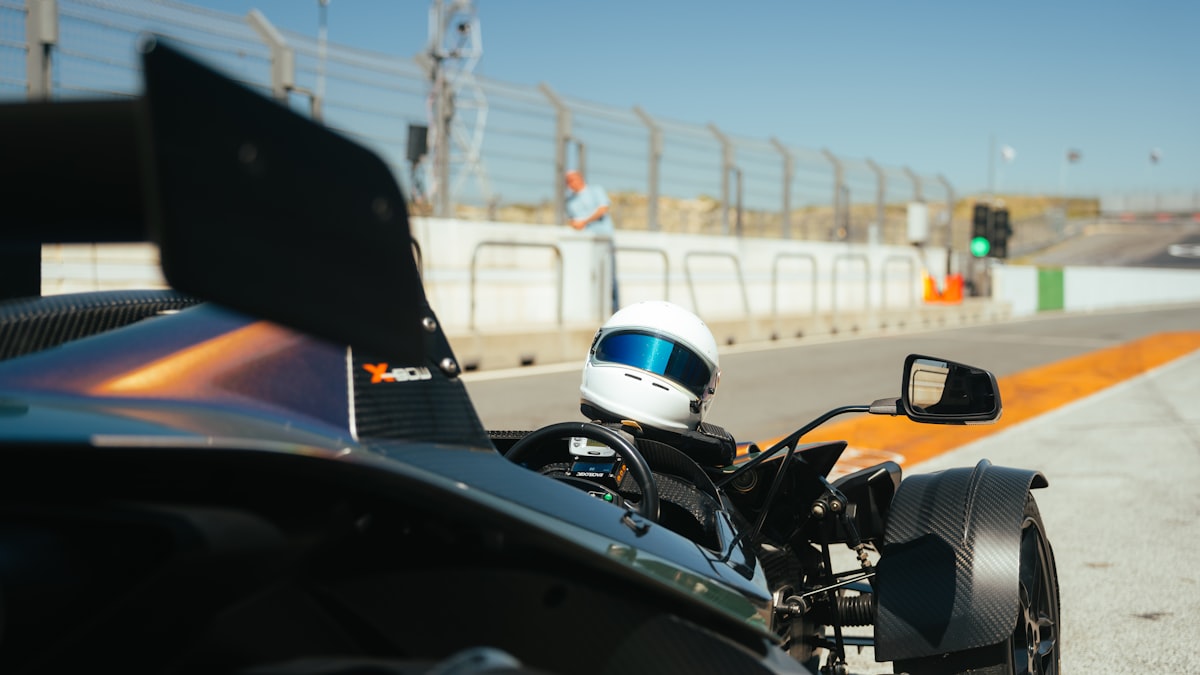
The Dutch Grand Prix returned from its mandatory summer vacation at Zandvoort, and with it came a wave of contract announcements and intense on-track tension that immediately reset the paddock's focus. Four-time champion Max Verstappen announced he's staying in the sport for the foreseeable future. His future had been the subject of rumors for months. But the weekend proved difficult for all three drivers, including Williams' confirmed lineup of Alex Albon and Carlos Sainz, and that stark reality made one thing crystal clear: a newly signed contract doesn't guarantee immediate on-track success, not even for a champion. So the ink dried fast.
The race weekend highlighted a fundamental truth of motorsport. Your teammate is your primary rival. Since teammates possess identical machinery, their individual performance is measured directly against one another, and that relentless comparison turns the garage into a pressure cooker where every lap time and every overtake carries extra weight. Throughout the grid, friction flared between drivers sharing the same space. At Zandvoort, this reality created tense strategic standoffs and physical on-track contact. So don't forget it.
Development wars shape the grid
F1 is different. No other motorsport allows this constant in-season development, so a team can storm out of the gate with a massive performance edge, only to watch rivals chip away at that lead through a relentless stream of updates. History proves how fast the order flips when development stalls. Brawn GP started 2009 with a full second per lap in hand, and that let Jenson Button win five of the first six races. But that was his last win that year. The underfunded squad simply couldn't afford to upgrade the car, and while teammate Rubens Barrichello grabbed two more victories, Red Bull and McLaren had already eclipsed Brawn by season's end , no, by the final checkered flag, the gap had vanished entirely. It's a brutal sport.
A similar pattern is emerging today. Mercedes had never really gotten a handle on the ground effect regulations (2022,2025). The team focused heavily on the upcoming 2026 rule set, aiming to replicate its dominant 2014 debut with powerful hybrid engines and a highly optimized chassis. The strategy yielded six consecutive race victories early on. However, unreliability has plagued the car, specifically affecting George Russell rather than the current championship leader.
The constraints of the cost cap
Mercedes can't spend their way out of trouble this time. That's a stark contrast to 2014, when financial firepower could mask technical missteps, but now teams must operate under a strict cost cap of $215 million, with only minor exceptions allowed for permitted engine upgrades. So Toto Wolff addressed this financial reality directly at Zandvoort, and he didn't mince words about the constraints squeezing his team's recovery.
"We haven't got the money to put developments on the car. I said before that we are trying to evenly split that through the season based on our calculations of when we can bring the biggest updates and optimizing the championship points. But we just can't do what we can't do."
This financial ceiling limits how quickly teams can react to reliability issues. It’s a brutal constraint. And it forces them into impossible choices, weighing the risk of a failing part against the cost of a new one, knowing that every decision could mean the difference between a podium finish and a pit lane disaster, so they can't rush. Timing is everything. They're left to guess.
McLaren and Aston Martin show progress
McLaren proved it can bring upgrades that actually work. Lando Norris used his rapid car to hunt down Antonelli at the Dutch Grand Prix, then swept past and pulled clear for a victory margin of nearly 12 seconds. That's a statement. But the win wasn't just about one driver's pace, since both Alpine and Ferrari arrived at Zandvoort with their own fresh parts, yet neither could match McLaren's step forward. So they're left chasing.
Aston Martin rolled out updates in Hungary just before the summer break. That pushed them squarely into the midpack. And then, at Zandvoort, a fresh Honda engine upgrade arrived to help close the performance gap, a move that signaled their intent to fight harder in the second half of the season. Fernando Alonso noticed the progress. Ninth place on Sunday. But his teammate Lance Stroll didn't share that smooth ride, and his more difficult session raised real concerns about drivability and a gearbox that simply rejected downshift commands, leaving engineers scratching their heads.
Key performance shifts at Zandvoort
- McLaren secured victory with Lando Norris finishing nearly 12 seconds ahead of the competition.
- Aston Martin veteran Fernando Alonso finished in ninth place, securing points for the second consecutive race.
- Mercedes faced developmental limitations due to the strict $215 million cost cap.
- Max Verstappen suffered an early exit, ending his home race on a flatbed.
Teammates collide on track
The intense drive to beat the person in the identical car led to multiple incidents during the Dutch Grand Prix. At Williams, Albon and Sainz collided after Sainz became unsettled by a track bump and locked his brakes while driving side by side. The contact ended Albon's race prematurely.
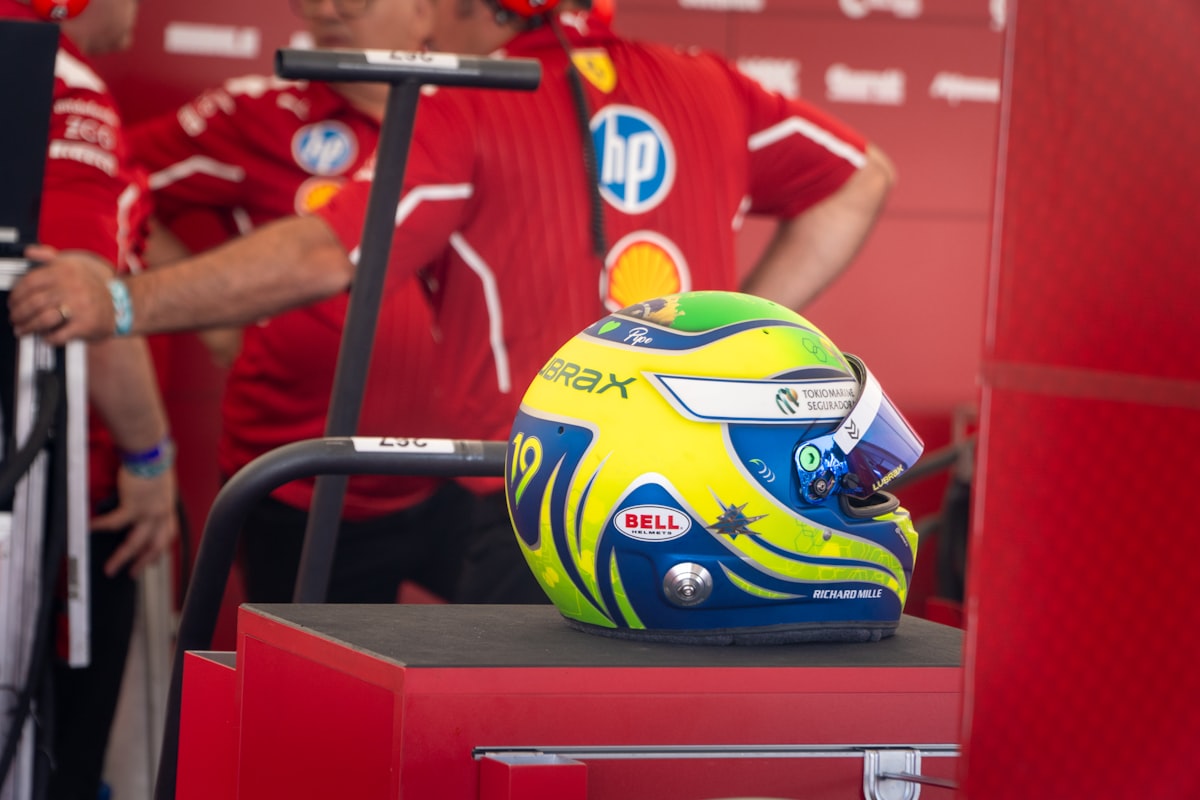
Audi drivers nearly suffered a similar fate. Gabriel Bortoleto spun on a greasy, drying track. This same difficult track surface caught out and wrecked Verstappen on the opening lap. Nico Hulkenberg used quick reactions to avoid his teammate and prevent a collision between the silver, red, and black cars.
Team orders spark radio frustration
The pit wall's strategic choices strained driver relations further. Mercedes told Russell to yield to Antonelli on lap 65. It was a cold calculation. The team reasoned that their young championship leader had a better shot at chasing down Norris, so they prioritized that possibility over any individual ambition. And the race finished with Mercedes taking second and third. Antonelli now holds a 59-point lead over Russell and Hamilton. That's a hefty cushion.
Hamilton felt the sting of Ferrari's chaos. Fourth place, just ahead of teammate Charles Leclerc, didn't satisfy him. But the real problem came from the pit wall. Ferrari ordered Leclerc to pit so Hamilton could exploit his alternative tire strategy, a move designed to give him a clear track and a shot at a better result. Leclerc didn't obey. He stayed out for several laps, ignoring the command and clogging the racing line. That delay disrupted Hamilton's rhythm and cost him precious time. It's a mess that shouldn't happen. So the strategy, however clever on paper, unraveled in practice, and Hamilton's frustration was entirely justified.
"Great way of wasting time guys, good job," Hamilton told the team over the radio.
The paddock now prepares for Monza. The upcoming Italian Grand Prix will provide another high-speed test of team chemistry and technical development.
Frequently Asked Questions
What happened between Alex Albon and Carlos Sainz at the Dutch Grand Prix?
Albon and Sainz collided after Sainz became unsettled by a track bump and locked his brakes while driving side by side. The contact ended Albon's race prematurely.
Why did Mercedes tell George Russell to yield to Antonelli on lap 65?
The team reasoned that their young championship leader had a better shot at chasing down Norris. So they prioritized that possibility over any individual ambition, and the race finished with Mercedes taking second and third.
How did the strict cost cap affect Mercedes' development during the Dutch Grand Prix?
Mercedes faced developmental limitations due to the strict $215 million cost cap. Toto Wolff said, 'We haven't got the money to put developments on the car,' and the team couldn't spend their way out of trouble like in 2014.
What was the outcome of Max Verstappen's home race at the Dutch Grand Prix?
Max Verstappen suffered an early exit, ending his home race on a flatbed. The difficult track surface caught out and wrecked him on the opening lap.
Who secured victory at the Dutch Grand Prix and by what margin?
McLaren secured victory with Lando Norris finishing nearly 12 seconds ahead of the competition. Norris used his rapid car to hunt down Antonelli, then swept past and pulled clear for a victory margin of nearly 12 seconds.

Clara Rossi covers the motoring world, with a focus on electric vehicles, design and the shift toward cleaner transport. She tests the latest models and explains what matters to drivers beyond the spec sheet.
💬 Comments (0)
No comments yet. Be the first!