Dubai VDX Certified as First eVTOL Vertiport
The newly certified Dubai VDX commercial eVTOL vertiport features two dedicated pads and fast charging infrastructure.
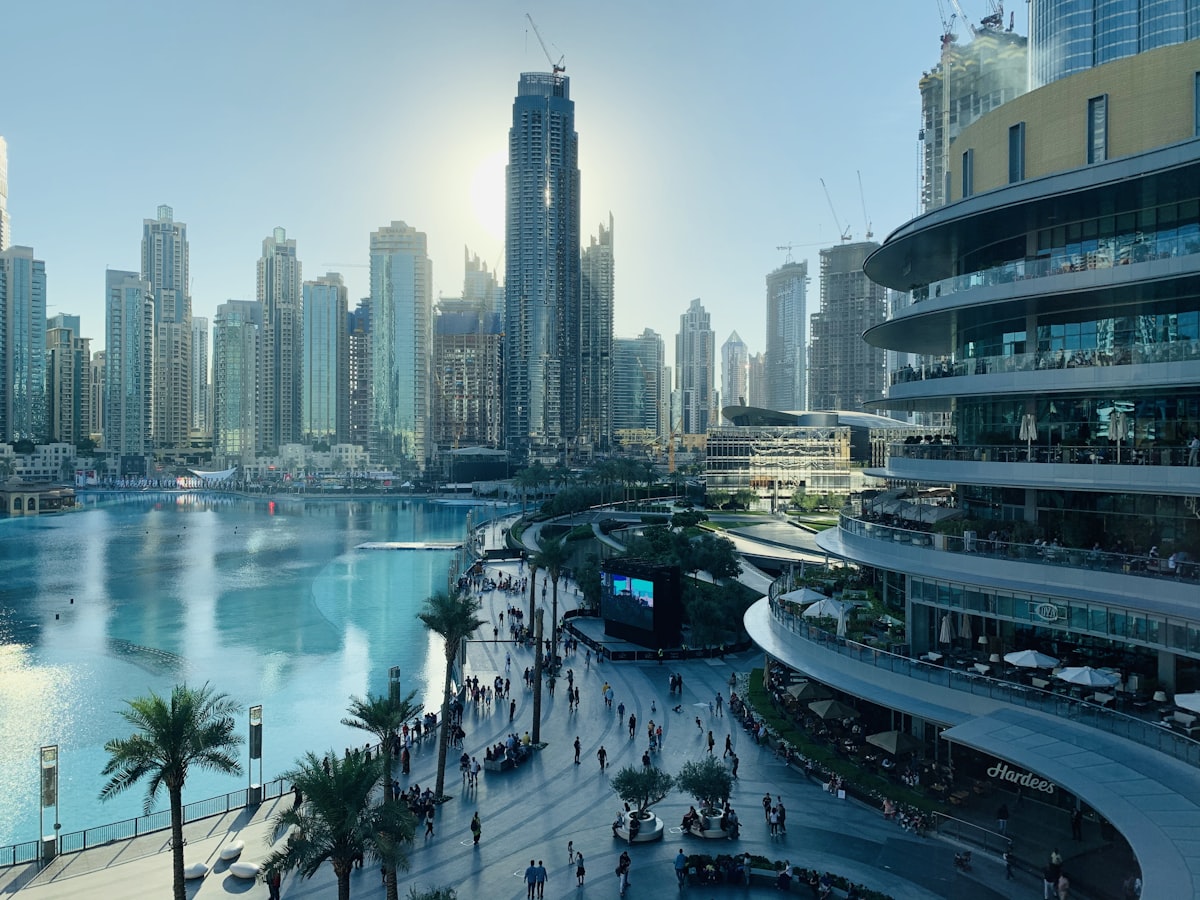
Dubai VDX has officially secured regulatory certification from the United Arab Emirates General Civil Aviation Authority. That makes it the world’s first purpose-built commercial vertiport. Developed by Skyports Infrastructure, this specialized facility is designed to support the takeoff and landing of small, battery-powered aircraft, and it doesn’t need the expansive runways that traditional aviation hubs rely on. So the focus is entirely on vertical flight. The regulatory green light marks a critical milestone, and it’s a big step toward bringing commercial air taxi operations closer to reality in the region.
The certification is official. That makes this facility the first of its kind, and it represents a major step forward for urban air mobility, shifting the entire conversation from what might be possible to what is now approved and active. Aviation regulators and developers are watching the project closely, and they're not just observing , they're taking notes on every protocol we've established here. But building a transport network above congested city streets demands entirely new safety systems, physical infrastructure, and regulatory frameworks, and until now those existed only as theories on paper. Those days are gone. With this certification, those systems have moved into an active, operational model that's been vetted, approved, and cleared for real-world use. So what happens next? We can't know for sure, but the blueprint is finally real.
Inside the new commercial aviation hub
The project's physical footprint is engineered for one thing: electric vertical takeoff and landing aircraft. It's located in Dubai. The facility spans roughly 3,100 square meters, which translates to about 33,500 square feet, and that space is built to move commuters fast. So it can handle up to 170,000 passengers each year. That's the whole point.
It is not just about passenger handling. The operational setup includes:
- Two dedicated takeoff and landing pads.
- High-powered DC fast charging infrastructure.
- Rapid turnaround systems for electric aircraft.
Speed is critical here. Electric air taxis rely on rapid battery replenishment to remain economically viable. By integrating high-powered DC fast chargers directly into the pad design, the facility aims to minimize ground time. This keeps aircraft in the air and moving passengers rather than sitting idle on the tarmac.
A growing urban air transit network
This initial facility won't operate in isolation. It's designed to function as the primary transit hub for a much larger transportation network, one that will connect passengers across the emirate through a coordinated system of vertical take-off and landing sites. But Skyports Infrastructure is actively developing three other similar vertiport facilities across the emirate. That's the plan.
This network is being built in close collaboration with Dubai Roads and Transport Authority. The goal is to connect key nodes of the city, allowing passengers to bypass ground traffic entirely, which means they can travel from one district to another without ever touching a single congested street or waiting for a bus that's stuck in the gridlock below. But that's not all. By creating a multi-site network, the partners are laying the groundwork for a viable point-to-point transit system. It's a bold move. And they're betting it works.
Regulators and developers align on safety
Securing approval from the General Civil Aviation Authority was the primary hurdle for the project. It's a brutal gauntlet. Aviation safety standards are notoriously strict, and fitting a new class of electric aircraft into existing airspace required intense collaboration that pushed every engineer and regulator to their absolute limit. But the certification proves one thing. The operational standards developed for the site meet the highest safety benchmarks, and that's the only result that matters. The wait was worth it.
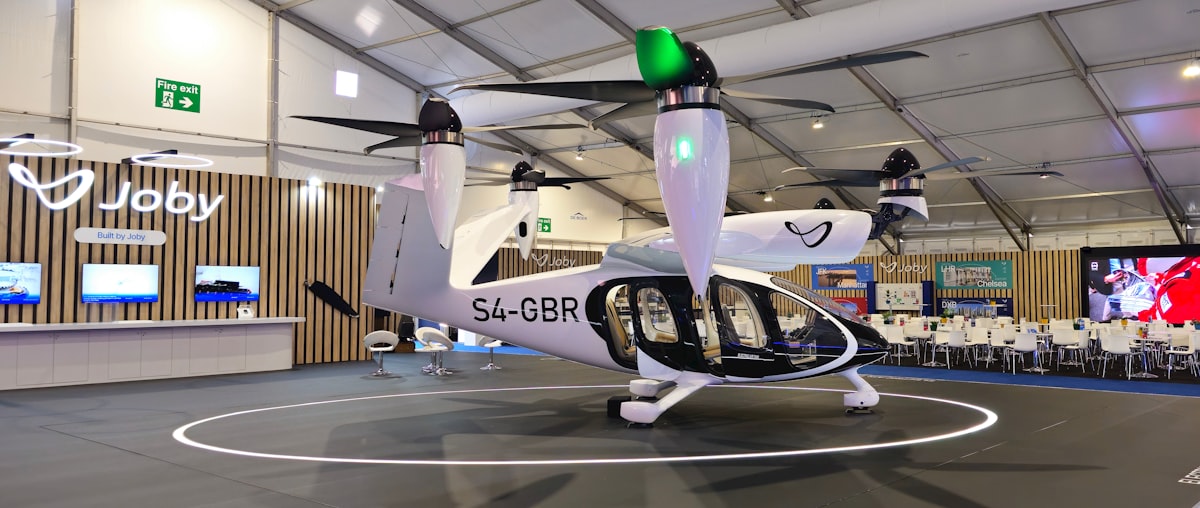
"This certification is a defining moment for Advanced Air Mobility, demonstrating that the infrastructure, operational standards and regulatory frameworks required for commercial eVTOL services are now a reality," explains Duncan Walker, CEO, Skyports Infrastructure.
The certification proves the vertiport's physical design and daily operational plans can safely coexist with traditional commercial aviation. That's the whole game. But it also sets a clear precedent for how similar facilities might be regulated globally in the coming years, and that's a shift we can't ignore. So here's the takeaway: it's done, and the sky just got more crowded.
Establishing global aviation benchmarks
Local authorities view the project as a major national milestone. It's a bold statement. Rather than waiting for international bodies to draft the rules, local regulators are actively writing them, and that positions the region at the very forefront of modern aviation technology, so they're not just following along but setting the pace. But it's a heavy responsibility.
"The certification of the world's first purpose-built commercial vertiport is a historic achievement for the UAE and a defining moment for the future of aviation," says Saif Mohammed Al Suwaidi, Director-General of the GCAA.
By establishing these guidelines early, the region is creating a blueprint that other international transport authorities will likely study when designing their own urban air mobility frameworks.
What comes next for urban air taxis
Dubai VDX is fully certified now. That's done. But the real work shifts to the physical construction of the broader network, and Skyports Infrastructure alongside the Roads and Transport Authority are pushing forward with the remaining three vertiports, which still need to be completed on the ground. The timeline for actual passenger flights depends heavily on those auxiliary sites, so we can't pin down a launch date until they're finished.
The aircraft themselves must also be ready. While the vertiport is prepared to charge and manage these battery-powered vehicles, the regional roll-out of commercial flight services will require coordinated scheduling, ticketing systems, and final fleet deployments. The physical hub is ready. Now, the rest of the ecosystem must catch up.
Frequently Asked Questions
What is Dubai VDX and what certification has it received?
Dubai VDX is a purpose-built commercial vertiport developed by Skyports Infrastructure. It has secured regulatory certification from the United Arab Emirates General Civil Aviation Authority, making it the world's first purpose-built commercial vertiport.
What is the physical footprint and passenger capacity of Dubai VDX?
Dubai VDX spans roughly 3,100 square meters, which is about 33,500 square feet. It is built to handle up to 170,000 passengers each year.
Why is high-powered DC fast charging infrastructure important at the vertiport?
High-powered DC fast charging infrastructure is integrated directly into the pad design to minimize ground time. This keeps electric aircraft in the air and moving passengers, which is crucial because electric air taxis rely on rapid battery replenishment to remain economically viable.
Who are the key stakeholders involved in the development and regulation of Dubai VDX?
Skyports Infrastructure developed the facility, and it collaborated with Dubai Roads and Transport Authority to build a broader network. The certification was granted by the United Arab Emirates General Civil Aviation Authority, with Saif Mohammed Al Suwaidi as its Director-General and Duncan Walker as CEO of Skyports Infrastructure.
What is the significance of this certification for global aviation standards?
The certification proves that the operational standards developed for the site meet the highest safety benchmarks and can coexist with traditional commercial aviation. It also sets a precedent for how similar facilities might be regulated globally, as local regulators are actively writing the rules rather than waiting for international bodies.

Clara Rossi covers the motoring world, with a focus on electric vehicles, design and the shift toward cleaner transport. She tests the latest models and explains what matters to drivers beyond the spec sheet.
💬 Comments (0)
No comments yet. Be the first!