Flock cameras Disabled as Denver Auto Theft Drops
After Denver deactivated its Flock cameras network, April 2026 data showed a 29 percent decline in local vehicle thefts.
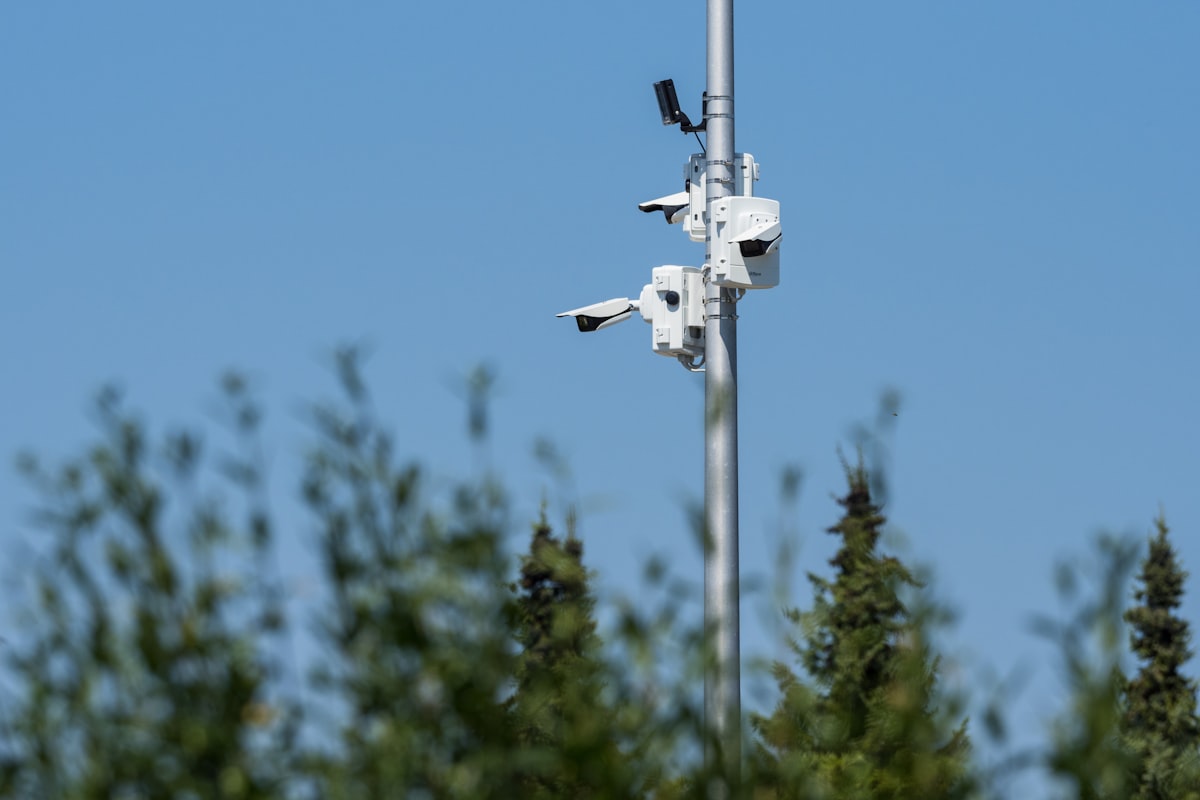
Flock cameras went dark in Denver. The city contract expired at the end of March, and the subsequent weeks brought an unexpected shift in criminal activity that caught many off guard. Vehicle thefts dropped significantly. This development has forced a fresh look at the relationship between high-tech surveillance and actual crime prevention, and it's raising questions we can't ignore. But for years, municipalities have invested heavily in automated policing tools under the assumption that constant monitoring acts as a shield. The recent data from Colorado suggests the reality is far more complex.
Surveillance contract ends in Denver
Denver partnered with Flock Safety in May 2024. They installed over 100 AI-powered license plate readers, and this deployment came after several years of high vehicle crime as local officials sought technological solutions to ease the burden on law enforcement. But residents pushed back immediately, uneasy with widespread public surveillance. When the contract expired at the end of March, the city had to shut down the system and start removing the hardware.
Axon negotiated a new smaller contract for 50 units, but those devices require time to go live. This created a gap. Denver police officers have had to patrol without any automated license plate reading tools during that exact window of downtime, and the numbers took a surprising turn.
State-backed data shows vehicle thefts in Denver dropped 29 percent in April 2026 compared to April 2025. The previous period had the automated surveillance network fully operational, and this drop raises questions about the technology's utility as a preventative measure. But taking the monitoring system away didn't invite more vehicle theft. It's a surprising result.
The limits of automated deterrence
A shift in public assumptions
Most debates surrounding automated traffic cameras focus on privacy concerns. Critics rarely argued that the technology was ineffective at gathering data, but rather that it would be turned into a revenue-generating tool or a means of invasive spying. Opponents frequently warn about the potential for abuse. They're worried that state actors might use search tools to track innocent citizens. But Denver is now challenging the core assumption that these systems serve as a functional deterrent to criminals.
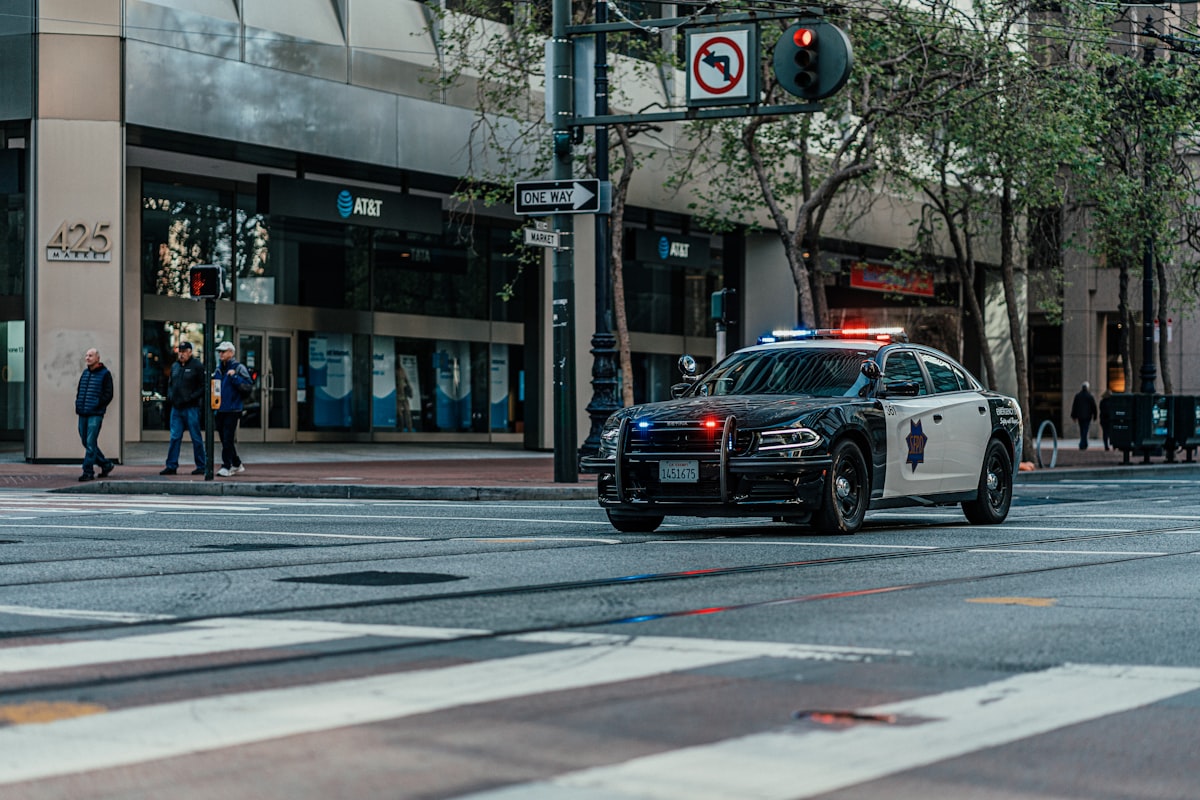
The sudden drop in thefts while the network was dark suggests that the visible presence of monitoring hardware does not necessarily make a car thief pause. Local authorities, however, maintain their support for the technology. The Denver Police Department defended the tools, stating:
"License plate readers are a very effective investigative tool used by DPD to address a number of our crime challenges. DPD believes the presence of ALPRs and resulting arrests provide a deterrent effect since the technology has been one component of our auto theft reduction efforts during the steep declines in auto thefts over the past several years."
Tracking the timeline of the decline
A closer look at local crime trends reveals that Denver's vehicle theft rates began to fall long before the automated cameras were even installed. So the metro area suffered from some of the highest per capita car theft rates in the nation by 2021. Yet the numbers started their downward trend in 2023, a full year before the city deployed the monitoring hardware.
Vehicle recovery data challenges the system's supposed benefits. But Colorado's rate actually dropped from about 86 percent in 2023 to 80 percent by 2025, a period during which the automated license plate reader monitoring network was active. That's a problem. One of the primary selling points for ALPRs is their ability to help police find stolen vehicles, even when license plates have been removed.
Policy changes outpace technology
Many critics of public surveillance see these numbers as proof that automated policing tools fail to deliver on their promises. But City Councilmember Serena Gonzales-Gutierrez, who voted against the camera contracts, expressed no surprise at the recent data. She wasn't shocked. The drop in crime during the camera blackout, she indicated, proves the technology was not the key driver of public safety.
"I am not surprised to hear that the absence of automatic license plate reader technology in our city has not resulted in an increase in auto theft nor meaningfully changed our police department's ability to investigate and solve crime. While Flock was originally pitched as a solution to auto theft in our city, we have seen firsthand over the last year how the justifications for continued use of this mass surveillance technology shift frequently and are seldom tied to objective data."
Determining the exact cause of the crime drop requires looking beyond the presence of cameras. But we can't ignore the data. The decline in Denver is part of a broader, statewide trend that points to legislative action rather than digital tracking, and local numbers show a clear dip while the statewide shifts are even more pronounced.
- Denver auto thefts dropped from 439 in April 2025 to 312 in April 2026.
- Auto theft across Colorado fell 39 percent in April 2026 compared to April 2025.
- Year to date through April, statewide auto theft is down 36 percent compared to the same period in 2025.
- The Denver metro area experienced roughly a 40 percent year-over-year decline from January through early June.
Cale Gould, the public outreach coordinator for the Colorado Auto Theft Prevention Authority, said that no single factor is responsible for the decline. But a 2023 state law, Senate Bill 23-09, reclassified auto theft offenses and removed a dollar-value threshold that previously allowed lower-value thefts to be prosecuted as simple misdemeanors. That created a direct deterrent for casual offenders and joyriders. It's a simple shift. So the state made penalties stiffer for stealing cheaper vehicles.
Traditional policing versus automation
The state also increased funding for targeted task forces, boosted investigator training, and raised public awareness. It worked. These targeted efforts appear to have moved the needle far more than automated surveillance, and other municipalities using identical camera networks haven't experienced the same dramatic crime reductions seen in Colorado. So that suggests legislative reforms and focused police work are the true drivers of the decline.
The new Axon cameras remain offline. This delay lets us watch how crime rates shift without automated tracking, but public sentiment is deeply skeptical,Denver residents have packed town halls repeatedly to protest surveillance, and earlier contract extensions without council approval sparked major backlash. So the debate isn't over. As the city prepares to activate its smaller camera network, the question of whether technology deters crime or simply monitors it lingers.
Frequently Asked Questions
What happened to Flock cameras in Denver in April 2026?
The Flock camera contract expired at the end of March, and the system was shut down and hardware removed, creating a gap without automated license plate readers. During that downtime, vehicle thefts in Denver dropped 29 percent in April 2026 compared to April 2025.
Why did Denver initially partner with Flock Safety in May 2024?
Denver partnered with Flock Safety to install over 100 AI-powered license plate readers after several years of high vehicle crime. Local officials sought technological solutions to ease the burden on law enforcement.
How did Denver's vehicle theft rate change when Flock cameras were offline?
Vehicle thefts dropped significantly, with a 29 percent decrease in April 2026 compared to April 2025. This surprised many, as the absence of surveillance did not lead to more thefts.
Who expressed no surprise at the drop in auto theft during the camera blackout?
City Councilmember Serena Gonzales-Gutierrez, who voted against the camera contracts, said she was not surprised. She indicated the data proves the technology was not the key driver of public safety.
When did Denver's vehicle theft rates begin to decline before Flock cameras were installed?
The numbers started their downward trend in 2023, a full year before the city deployed the monitoring hardware in May 2024. This shows the cameras did not start the turnaround.

Clara Rossi covers the motoring world, with a focus on electric vehicles, design and the shift toward cleaner transport. She tests the latest models and explains what matters to drivers beyond the spec sheet.
💬 Comments (0)
No comments yet. Be the first!