Colorado PUC Denies Xcel Energy's $2.9 Billion Gas Infrastructure Plan
Colorado regulators rejected most of Xcel Energy's Gas Infrastructure Plan, citing cleaner, cheaper alternatives and a misalignment with state climate goals.

Xcel's plan hit a brick wall. On June 4, 2026, the Colorado Public Utilities Commission rejected the bulk of Xcel's $2.9 billion proposal for methane gas pipelines from 2025 to 2030. So if you pay a utility bill in Colorado, that single decision just saved your wallet from bankrolling a giant gas gamble that would've locked in decades of higher costs, whether you drive an electric car, a pickup truck, or anything in between.
Why the PUC Hit the Brakes
Regulators made it clear. They're tired of gas infrastructure gold-plating. And the PUC found Xcel was biased by its own profit motive to shovel money into pipelines that don't benefit customers or match the state's climate goals. Meanwhile, Xcel executives keep raking in millions while customer complaints and service shutoffs tick upward.
The commission listened to a crowd of public interest groups who insisted there's a smarter, cheaper way, and then the Xcel Energy Gas Infrastructure Plan was gutted. It wasn't a marginal change.
The Missing Billions
Here’s what the PUC actually adopted from those groups instead of rubber-stamping the plan:
- Better alignment of xcel’s gas system forecasts with Colorado’s decarbonization targets so the utility stops overbuilding.
- A non-pipeline alternative program that offers electrification incentives to customers whose gas service lines Xcel wants to replace,directing money toward heat pumps and electric appliances instead of fresh steel in the ground.
- An expert-developed tool to pinpoint the best opportunities to skip pipeline replacements entirely.
So the Xcel Energy Gas Infrastructure Plan didn’t just get a “no.” It got a road map toward something cleaner and cheaper.
What Colorado Drivers Need To Know
You might not spend your mornings thinking about gas distribution rates. But it's a hidden cost. Here's the real talk: when a utility pours billions into pipelines you don't need, gas infrastructure spending gets baked into everyone's electric and gas bills, and your bills climb even if you use less gas. Xcel and other utilities have been charging customers more for massive capital spending just to pump up their returns, all while gas usage drops.
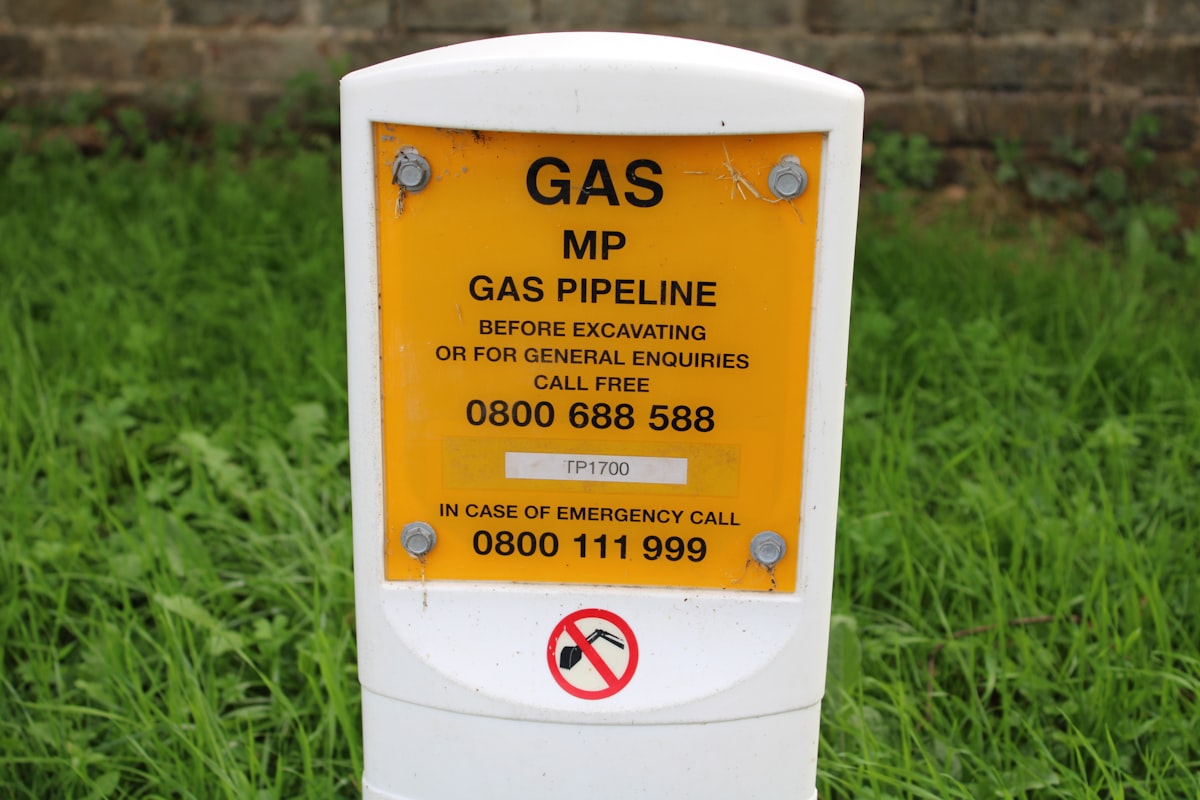
That math stings harder. For anyone who plugs in an EV at home, higher electricity rates from gas-heavy grid investments make your per-mile cost creep up, and it's for no good reason.
A $190 Million Dodged Bullet
PUC rejected the long-range blueprint. Xcel's request to squeeze another $190 million annually from customers for pipeline costs remains alive in another rate case, but with the decision the PUC signaled it won't let utility backdoor the same expensive agenda.
Let me put it bluntly: that $190 million would have come from you. Every year. For decades.
Electrification, Not Pipelines
Electrification is the alternative. So instead of spending more than $375 million replacing the service lines that connect individual homes to the gas system, Xcel now has a nudge to put that money toward cleaner, healthier electric options, and that could mean cash incentives to help you ditch a gas furnace for a heat pump or an induction stove, moves that'll slash your total energy tab and make your home ready for an electric car without separate investments.
It's costly. Today the PUC continues to recognize that methane gas infrastructure creates enormous societal costs on our environment and energy bills, as Sarah Tresedder, Senior Energy Organizer for Sierra Club Colorado, explained. Dated infrastructure investment isn't economic. But Xcel operates an electric utility that can provide the same services with less environmental and cost risk.
“In 2026, it’s absurd for any utility to pour billions of dollars into new methane gas pipelines and expect to pass the costs to customers,” said Michael Kenney, Building Decarbonization Manager at WRA. “The PUC’s decision is a clear win for Coloradans by prioritizing consumer protections and affordable solutions over utility profits.”
Kiki Velez of NRDC framed it as a choice that gives households a real shot at switching to electric alternatives while saving gas customers millions as well. But SWEEP's Ramon Alatorre disagrees. He added that expanding gas pipelines now is "an inappropriate effort to lock in future costs and shareholder profits even when those expansions don't benefit communities, businesses and families.
So Rebecca Curry of Rewiring America underlined that they're demanding real proof that projects are necessary, affordable, and aligned with Colorado's energy future, while Leslie Coleman from Earthjustice called the original pipeline push 'unconscionable.' The Conservation Advocates' proposals won.
The Real Takeaway
It matters. Every dollar that doesn't get buried in a methane pipeline is a dollar that can stay in your pocket or go into infrastructure that actually serves you, like grid upgrades, cheaper electricity, and electrification rebates. So for Colorado drivers eyeing an EV or already charging one, avoiding billions in gas-pipe spending keeps your energy costs from being dragged upward by yesterday's technology.
Lockstep fossil spending is out. But Xcel will file its Clean Heat Plan this summer to meet state targets, and the PUC made it crystal clear that prudent, affordable, clean energy is in and that's a gear shift every ratepayer and every driver should welcome.
Frequently Asked Questions
What was the key decision by the Colorado PUC regarding Xcel Energy's gas infrastructure plan?
On June 4, 2026, the Colorado Public Utilities Commission rejected the bulk of Xcel's $2.9 billion proposal for methane gas pipelines from 2025 to 2030. The decision gutted the Xcel Energy Gas Infrastructure Plan and instead adopted a road map toward cleaner and cheaper alternatives.
Why did the PUC reject the bulk of Xcel's proposal?
Regulators were tired of gas infrastructure gold-plating and found Xcel was biased by its own profit motive to shovel money into pipelines that don't benefit customers or match the state's climate goals. The commission listened to public interest groups who insisted there is a smarter, cheaper way.
How did the PUC's decision change the approach to gas infrastructure?
The PUC adopted a non-pipeline alternative program that offers electrification incentives for customers whose gas service lines Xcel wanted to replace. It also directed money toward heat pumps and electric appliances instead of fresh steel, and created an expert-developed tool to identify opportunities to skip pipeline replacements entirely.
When did the Colorado PUC issue its decision on Xcel's plan?
The Colorado PUC issued its decision on June 4, 2026. That single decision rejected the $2.9 billion proposal that would have locked in decades of higher costs for Colorado utility customers.
Who were some of the groups that advocated against the original pipeline plan?
Public interest groups such as the Sierra Club Colorado, WRA, NRDC, SWEEP, Rewiring America, and Earthjustice opposed the original plan. The PUC listened to their arguments and adopted their proposals instead of rubber-stamping Xcel's expensive agenda.

Dominic Fischer writes about cars and the future of mobility, covering everything from new launches to charging infrastructure. He follows how the way we drive is changing and what comes next on the road.
💬 Comments (0)
No comments yet. Be the first!