BYD God's Eye Usage Surges Under Liability Plan
With the BYD God's Eye system now used in over 3 million cars, accident rates and insurance premiums are dropping.
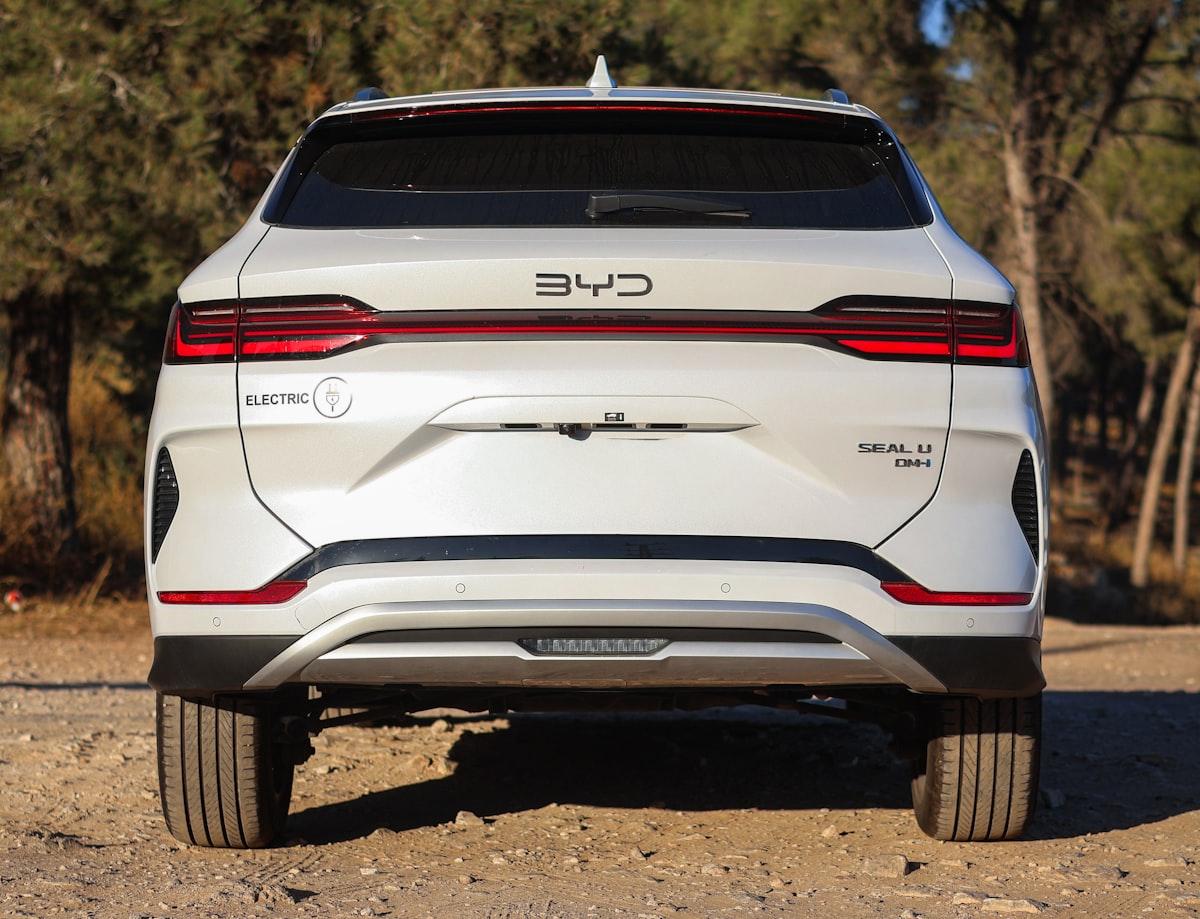
BYD God's Eye adoption climbs amid liability shift
BYD God's Eye usage is surging. It's a direct result of the manufacturer's strategic decision to assume full liability for city driving incidents, a move that's shifting accountability away from traditional automotive insurance models and applying specifically to vehicles equipped with LiDAR and the latest software. So the company is guaranteeing its advanced driving assistance systems' performance. This links its financial outcomes directly to the technology's real-world safety.
Data reveals shift in driver behavior
The impact of this policy change was immediate. After the announcement regarding city driving coverage, usage of the system in urban environments increased by 50 percent. This trend builds on previous successes, where self-parking features saw participation climb from 21 percent to 93 percent after similar guarantees were introduced.
Redefining risk and insurance
Financial dynamics are shifting alongside these adoption rates. But the manufacturer is building a unique risk model by internalizing insurance through its own property insurance arm rather than relying on external underwriters. The company uses real-time telemetry from millions of vehicles to refine its safety protocols and pricing. It's a smart move. This approach has led to measurable improvements in the ownership experience.
- Average premiums dropped from approximately 4,900 RMB in the second quarter of 2024 to about 3,800 RMB by late 2025.
- In 2025, BYD's insurance revenue was up 112.56 percent.
- The expense ratio reached 5.21 percent, significantly lower than the industry average.
- Loss ratios fell from 233.92 percent to 97.28 percent.
Safety gains through direct accountability
Beyond the financial incentives, taking responsibility for accidents actually pushes manufacturers toward technical refinement. It’s a matter of survival. When a company bears the cost of a collision involving its own software, the drive to eliminate system disengagements becomes a matter of fiscal survival rather than a marketing exercise, and this focus on performance is validated by recent safety observations regarding the technology.
Serious accidents when using God's Eye, based on airbag deployment, were reduced to 1/6 of human driven vehicles, while minor accidents during parking have been reduced to 1/15 th, surpassing human safety.
This statement from Yang Dongsheng, Senior Vice President and Dean of the Automotive New Technology Research Institute, highlights how hardware and software integration could outperform human drivers. The logic is straightforward. So as more miles are logged using the system, the data fed back into the servers allows for iterative improvements, creating a cycle where better performance drives higher usage, which in turn provides more data to further increase safety.
Vertical integration and the road ahead
It's a smart move to cover liability for city driving. The manufacturer controls repair facilities and the underlying vehicle data, so it removes the friction often found between third-party insurance providers and automotive service centers. Safety gets prioritized across the entire product lifecycle. But even for models where this intelligent driving capability is an optional add-on priced at 12,000 RMB, the long-term value proposition is centered on lower insurance costs and enhanced vehicle safety.
The company is deploying its 4nm Xuanji A3 AI chip and advanced sensor suites, so reliance on high-level vertical integration will likely increase. But it's betting on internal focus. By moving away from external insurance companies and complex supplier chains, the manufacturer believes its own commitment to product quality and data-driven safety will build customer loyalty that traditional advertising can't replicate. The goal isn't just to sell software subscriptions. It's to provide a foundational shift in how vehicle risk is managed and mitigated in dense urban environments.
Frequently Asked Questions
What is driving the surge in usage of BYD God's Eye?
The surge in usage is driven by BYD's strategic decision to assume full liability for city driving incidents. This policy shift applies specifically to vehicles equipped with LiDAR and the latest software, directly linking financial outcomes to the technology's real-world safety.
How did driver behavior change after the city driving coverage announcement?
After the announcement regarding city driving coverage, usage of the system in urban environments increased by 50 percent. This builds on previous successes where self-parking features saw participation climb from 21 percent to 93 percent after similar guarantees.
Why does BYD's internal insurance model lead to lower premiums?
BYD internalizes insurance through its own property insurance arm, using real-time telemetry from millions of vehicles to refine safety protocols and pricing. This approach led average premiums to drop from about 4,900 RMB in Q2 2024 to about 3,800 RMB by late 2025.
What safety improvements have been observed with BYD God's Eye?
Serious accidents when using God's Eye, based on airbag deployment, were reduced to 1/6 of human-driven vehicles, while minor accidents during parking were reduced to 1/15. This was stated by Yang Dongsheng, highlighting that hardware and software integration could outperform human drivers.
Who benefits from BYD's vertical integration in the context of God's Eye?
BYD controls repair facilities and underlying vehicle data, removing friction between third-party insurance providers and service centers. Even for models where God's Eye is an optional add-on at 12,000 RMB, the long-term value includes lower insurance costs and enhanced vehicle safety.

Clara Rossi covers the motoring world, with a focus on electric vehicles, design and the shift toward cleaner transport. She tests the latest models and explains what matters to drivers beyond the spec sheet.
💬 Comments (0)
No comments yet. Be the first!