Why the Bowes Solar project Solves Tight Spaces
The Bowes Solar project utilizes high-density racking to squeeze 11 megawatts of community power into a tight 22-acre site.
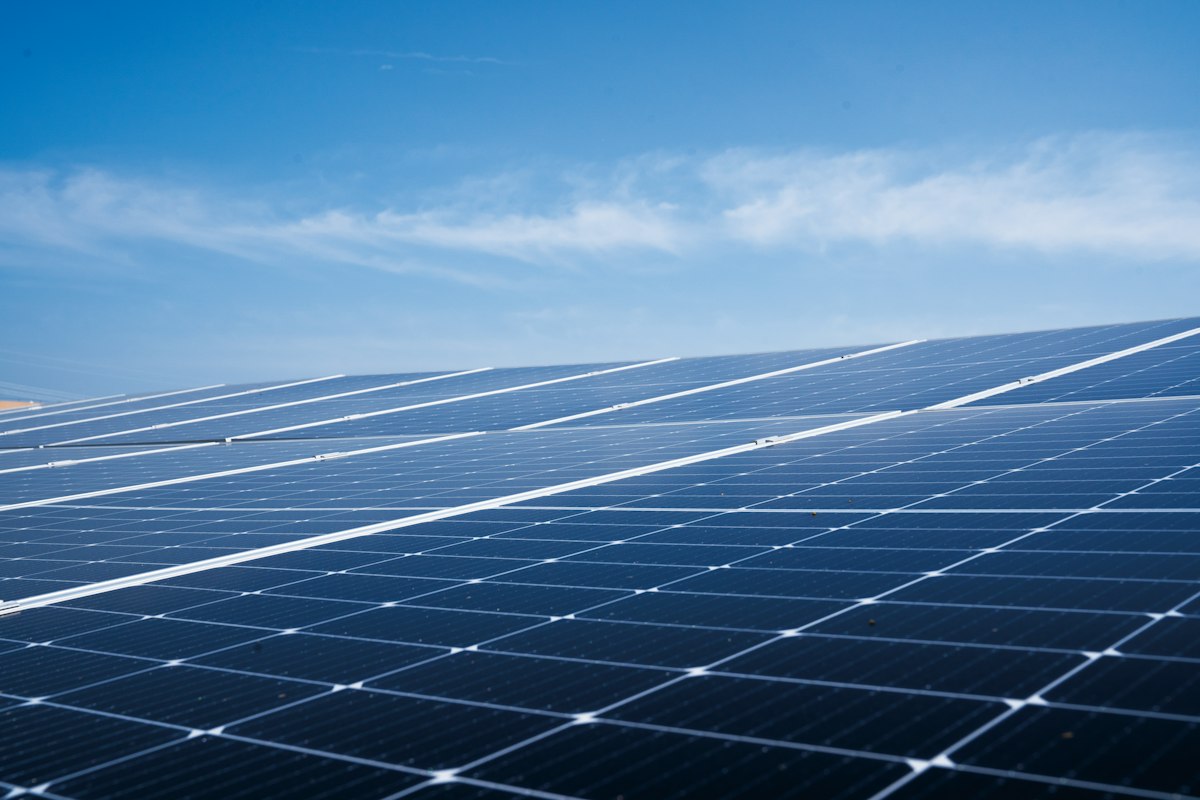
The Bowes Solar project solves tight spaces. It proves you don't need vast, empty deserts to build serious clean energy. Let's cut through the noise. As energy demand climbs, developers are hitting a major wall, because there is simply not enough easy land left, and local opposition, zoning rules, and government restrictions are squeezing developers into tight corners. So if you want to build solar near the people who actually use the power, you have to get creative with smaller, irregular parcels of land.
Elgin, Illinois, got exactly that. A new 11-megawatt array now sits on a tight 22-acre site. Look at the map and you'll see a property that's the definition of a logistical nightmare, squeezed directly between two residential subdivisions, boxed in by high-voltage power lines and active train tracks, with a wet wetland area sitting right in the corner that cuts off even more usable ground. It's a mess. Under conventional rules, this project would've been dead on arrival.
How to cram 11 megawatts into 22 acres
So how do you make a site like this work? You throw out the old playbook. Instead of trying to force a massive, single-block installation onto the property, the development team split the system into two separate arrays. This division gave them the precise flexibility they needed to steer clear of the wetland and meet strict local setback rules.
But splitting the site was only half the battle. To get the maximum amount of power out of a highly restricted footprint, the project turned to specialized technology, and that decision led them straight to a high-density racking system designed by a firm called Planted Solar. It's the real secret weapon here. It sits very low to the ground, which solves a massive headache for the local community, and that headache is aesthetics, because nobody wants an ugly industrial mess staring back at them every single morning. And they're not wrong.
Neighbors don't want to stare at towering metal structures. That's blunt. But this system stays low, so the developers installed an opaque fence and thick screening, because they knew that people living nearby would never accept a wall of metal rising up in front of their homes. Now, the entire array is completely hidden from outside view.
The math behind high density racking
To appreciate why this matters, you have to look at the numbers. Normal community solar setups are land hogs. The standard rule of thumb is that you need between 5 and 7 acres of land for every single megawatt-peak of solar capacity.
Here is the real takeaway. If you used conventional racking, an 11-megawatt project like the Bowes Solar project would require up to 77 acres of land. It literally would not fit on a 22-acre site. The alternative would be building a much smaller system, but then the project loses its financial viability. The high-density system solves this by requiring only about 2 acres per megawatt-peak, packing more power into a fraction of the space.
- Traditional solar setups require 5 to 7 acres per megawatt-peak.
- The high-density racking system slashes that requirement down to just 2 acres per megawatt-peak.
- A 5-megawatt community solar project needs only 15 acres instead of the usual 40 to 50 acres.
- The system can handle steep ground slopes of up to 27 percent without any grading.
Ditching the bulldozers saves cash
Slope is another massive roadblock for solar developers. If a site slopes more than 10 percent, you normally have to bring in heavy machinery to grade the dirt, and that grading is expensive, it slows down permitting, and it often involves substantial earthwork. It's costly. And they're slow.
But the system in Elgin follows the natural contour of the land. It handles slopes up to 27 percent. So landowners can keep their existing vegetation and pasture intact, which means they don't have to pay for costly earthwork and they can't get stuck waiting around for approvals that would otherwise drag on far longer than anyone wants.
What community solar actually delivers
The Bowes Solar project isn't just a win for engineering. It's a direct financial win for the people living nearby. Community solar is designed to funnel benefits right back to local residents, and that design matters because the electricity generated here flows into the Commonwealth Edison utility grid, lowering rates for local subscribers. So it's a win they're counting on.
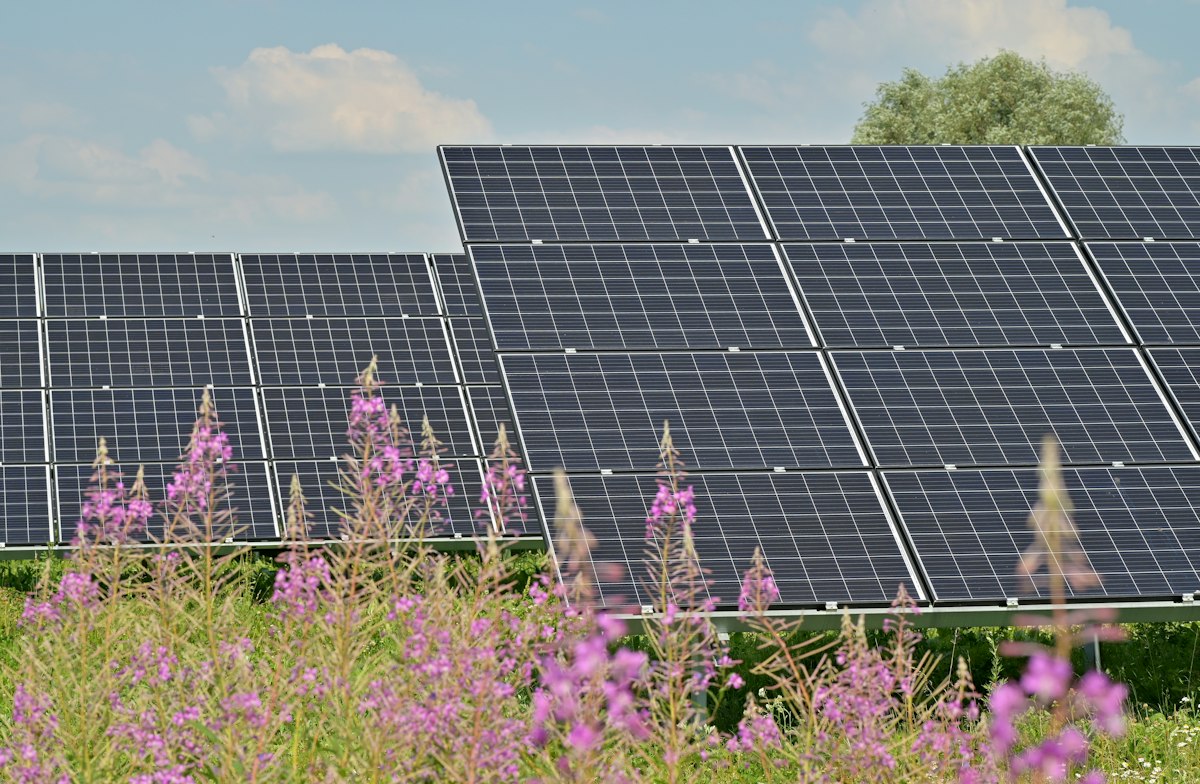
That's 580 low- and moderate-income households. They're getting solar savings they otherwise wouldn't have access to, and over the next 40 years, the local subscribers are projected to save $13.9 million on their utility bills, a figure that adds up slowly, year by year, across four decades of bills. So the total comes to $13.9 million.
Aimed at saving customers 20 percent on energy charges, the project will also benefit several larger customers, including three small businesses, two towns and a church.
Bill Dwyer, Chronicle Reporter
Beyond utility bills, the project injects hard cash into the local economy. Over the next 40 years, the site will generate $2.1 million in property tax revenues. That money goes straight to the local school district and municipal agencies, turning an otherwise unusable, wetland-restricted property into a local tax engine.
From tight cities to working farms
You're wondering if this matters outside of urban areas. It does. Here's why. The Elgin project shows how solar fits into tight city spaces, and while that alone tells you plenty about dense urban design, this same technology is also finding a home in rural areas where the landscape looks nothing like a city block. Farmers are under intense pressure to keep every single acre of their land profitable. And they're feeling it.
In rural spots like Mercer County, Illinois, local families and renters often cannot install their own solar panels. Community solar bridges the gap. For example, a smaller 5-megawatt project in Mercer County called Goldenrod Solar provides clean energy savings to 850 local subscribers, with more than half of those savings going to low- and moderate-income homes. At the same time, the local family farm hosting the panels gets a steady, stable new income alongside their normal crops.
The reality is clear. We are running out of easy, wide-open spaces to build energy infrastructure. By packing more panels into smaller footprints and respecting the natural slope of the land, projects like the Bowes Solar project prove we can build clean energy exactly where we need it most: right in our own backyards.
Frequently Asked Questions
What is the Bowes Solar project and what problem does it solve?
The Bowes Solar project is an 11-megawatt solar array located on a tight 22-acre site in Elgin, Illinois. It solves the problem of limited land availability by demonstrating that serious clean energy can be built in small, irregular spaces without requiring vast, empty deserts.
Why was the Bowes Solar project site considered a logistical nightmare?
The site is squeezed directly between two residential subdivisions, boxed in by high-voltage power lines and active train tracks, and has a wet wetland area that cuts off usable ground. Under conventional rules, this project would have been dead on arrival due to these constraints.
How did the development team overcome the challenges of the tight site?
The team split the system into two separate arrays to steer clear of the wetland and meet strict local setback rules. They also used a high-density racking system designed by Planted Solar that sits low to the ground and handles slopes up to 27 percent without grading.
What are the financial and community benefits of the Bowes Solar project?
The project provides savings to 580 low- and moderate-income households, with local subscribers projected to save $13.9 million on utility bills over 40 years. It also generates $2.1 million in property tax revenues for the local school district and municipal agencies over the same period.
How does the Bowes Solar project's technology compare to traditional solar setups in terms of land use?
Traditional solar setups require 5 to 7 acres per megawatt-peak, meaning an 11-megawatt project would need up to 77 acres. The high-density racking system used in the Bowes Solar project slashes that requirement to just 2 acres per megawatt-peak, allowing it to fit on a 22-acre site.

Dominic Fischer writes about cars and the future of mobility, covering everything from new launches to charging infrastructure. He follows how the way we drive is changing and what comes next on the road.
💬 Comments (0)
No comments yet. Be the first!